Zinc
Also known as elemental zinc, zinc gluconate, zinc ion, zinc picolinate
Key takeaways
- Oral zinc is effective for treating diarrhea in children (PMID: 27996088).
- Zinc supplementation may reduce the duration or severity of acute viral respiratory tract infections in adults (PMID: 34728441).
- Zinc deficiency is a significant risk factor for morbidity and growth failure in children in low- and middle-income countries (PMID: 36994923).
What the research shows
AI-synthesized from 397 peer-reviewed sources · Updated 2025
Zinc is an essential mineral supplement used for immune support, growth, and the treatment of various infections. Research indicates it is particularly effective in treating childhood diarrhea and managing respiratory infections, though results for other conditions like tinnitus and acne are more varied.
By condition
Childhood Diarrhea
Strong
Meta-analysis indicates oral zinc is effective for treating diarrhea in children.
Acute Viral Respiratory Infections
Moderate
Evidence suggests zinc may be useful for the prevention or treatment of acute viral respiratory tract infections in adults.
Common Cold
Moderate
Cochrane reviews have evaluated zinc for the common cold, though efficacy can vary by formulation.
Otitis Media
Weak
Multiple meta-analyses have investigated zinc for preventing middle ear infections with inconsistent results.
Pregnancy Outcomes
Moderate
Supplementation is studied for improving pregnancy and infant outcomes, particularly in regions with low serum zinc levels.
Effective doses
Specific dose ranges were not detailed in the provided abstracts, though oral administration is noted for pediatric diarrhea and respiratory infections.
Safety & interactions
No specific contraindications provided in the abstracts, but safety is monitored via OpenFDA; users should be aware of potential interactions with other minerals.
Limitations
Many studies focus on populations with existing deficiencies in low-income countries, which may limit generalizability to healthy populations in developed regions.
Dietary Reference Intakes
Source: IOM/NAM · Dietary Reference Intakes: Zinc
| Measure | Value | Description |
|---|
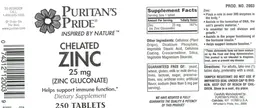
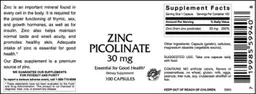
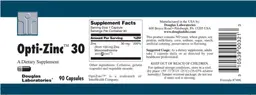
Top-rated Zinc products
Ranked by safety score and evidence coverage
Drug–supplement interactions
3 documented interactions
| Drug | Severity | Mechanism | Evidence |
|---|---|---|---|
| Fluoroquinolones | Moderate | Zinc chelates fluoroquinolone antibiotics, reducing absorption. | well-established |
| Penicillamine | Moderate | Zinc reduces penicillamine absorption and vice versa. | well-established |
| Tetracyclines | Moderate | Zinc chelates tetracycline antibiotics, reducing absorption of both. | well-established |
How it's sold
Data aggregated from 1,027 product labels
Research evidence
Showing top 10 of 397 sources, sorted by quality
BACKGROUND: It has been suggested that low serum zinc levels may be associated with suboptimal outcomes of pregnancy, such as prolonged labour, atonic postpartum haemorrhage, pregnancy-induced hypertension, preterm labour and post-term preg…
BACKGROUND: Zinc deficiency is prevalent in low- and middle-income countries, and is considered a significant risk factor for morbidity, mortality, and linear growth failure. The effectiveness of preventive zinc supplementation in reducing …
**Lazzerini et al., 2016** | Cochrane Database Syst Rev | Meta Analysis Lazzerini Marzia, Wanzira Humphrey. Oral zinc for treating diarrhoea in children. Cochrane Database Syst Rev. 2016-Dec-20;12(12):CD005436. doi:10.1002/14651858.CD005436…
BACKGROUND: Otitis media is inflammation of the middle ear and is usually caused by infection. It affects people of all ages but is particularly common in young children. Around 164 million people worldwide have long-term hearing loss cause…
**Hunter et al., 2021** | BMJ Open | Meta Analysis Hunter Jennifer, Arentz Susan, ... Leeder Stephen. Zinc for the prevention or treatment of acute viral respiratory tract infections in adults: a rapid systematic review and meta-analysis of…
BACKGROUND: Otitis media (inflammation of the middle ear, usually caused by infection) affects people of all ages, but is particularly common in young children. Around 164 million people worldwide have long-term hearing loss caused by this …
BACKGROUND: Otitis media (OM) is inflammation of the middle ear and is usually caused by infection. It affects people of all ages but is particularly common in young children. Around 164 million people worldwide have long-term hearing loss …
**Shi et al., 2021** | Cochrane Database Syst Rev | Meta Analysis Shi Chunhu, Dumville Jo C, ... Norman Gill. Compression bandages or stockings versus no compression for treating venous leg ulcers. Cochrane Database Syst Rev. 2021-Jul-26;7(…
BACKGROUND: Zinc deficiency is a significant public health problem in low- and middle-income countries. Zinc is essential for the formation and migration of neurons along with the formation of neuronal synapses. Its deficiency could interfe…
**Singh et al., 2013** | Cochrane Database Syst Rev | Meta Analysis Singh Meenu, Das Rashmi R. Zinc for the common cold. Cochrane Database Syst Rev. 2013-Jun-18(6):CD001364. doi:10.1002/14651858.CD001364.pub4 BACKGROUND: The common cold is …
Frequently asked questions
What is zinc and what is it primarily used for?
Zinc is an essential mineral supplement used to support immune function, growth, and the treatment of various infections. Research indicates it is particularly effective for treating childhood diarrhea and managing respiratory infections, although results for other conditions like acne and tinnitus are more varied.
Does zinc work for the common cold?
There is moderate evidence suggesting zinc may be useful for the prevention or treatment of acute viral respiratory tract infections in adults. However, efficacy can vary depending on the specific formulation used, so results may differ between products.
Is zinc effective for treating diarrhea in children?
Yes, there is strong evidence from meta-analyses indicating that oral zinc is effective for treating diarrhea in children. It is considered a key intervention, especially in regions where zinc deficiency is a significant risk factor for morbidity.
Does zinc help with tinnitus or middle ear infections?
For tinnitus, there is insufficient evidence to support its use as a treatment. Similarly, research for preventing middle ear infections (otitis media) is weak and has yielded inconsistent results, so it is not reliably recommended for these conditions.
What are the recommended daily intake levels for zinc?
According to the Institute of Medicine (IOM) 2001 Dietary Reference Intakes, the Recommended Dietary Allowance (RDA) for males aged 19-50 is 11 mg per day. Specific effective dose ranges for treating conditions were not detailed in the provided evidence summaries.
What are the safety concerns and drug interactions with zinc?
Zinc has well-established moderate interactions with fluoroquinolones, penicillamine, and tetracyclines, as it can chelate these drugs and reduce their absorption. Users should be aware of these interactions and separate dosing times to maintain efficacy.
Who should avoid taking zinc supplements or use caution?
Individuals taking fluoroquinolones, penicillamine, or tetracycline antibiotics should avoid concurrent use due to reduced drug absorption. Additionally, while supplementation is studied for pregnancy outcomes in low-zinc regions, users should consult a healthcare provider before starting, especially if pregnant or on other medications.