Molybdenum
Also known as mo, molybdenum glycinate, sodium molybdate
Key takeaways
- Molybdenum is analyzed as a potential risk factor for hyperuricemia in a meta-analysis of certain metals (PMID: 36109472).
- The IOM recommends a daily intake of 45 mcg/day for adults.
What the research shows
AI-synthesized from 3 peer-reviewed sources · Updated 2025
Molybdenum is an essential trace element required for the function of several enzymes. Current research focuses primarily on its dietary requirements and its potential relationship with metabolic risks like hyperuricemia.
By condition
General Health
Strong
Established dietary reference intakes exist to maintain essential physiological functions, with an RDA of 45 mcg/day for adults.
Hyperuricemia
Weak
A meta-analysis investigated the risk of hyperuricemia associated with certain metals, including molybdenum.
Effective doses
RDA for adults is 45 mcg/day.
Safety & interactions
No specific interactions or contraindications provided in the source text.
Limitations
There is a lack of large-scale randomized controlled trials (RCTs) evaluating molybdenum supplementation for specific therapeutic outcomes.
Dietary Reference Intakes
Source: IOM/NAM · Dietary Reference Intakes: Molybdenum
| Measure | Value | Description |
|---|
Top-rated Molybdenum products
Ranked by safety score and evidence coverage
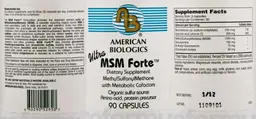
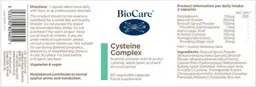
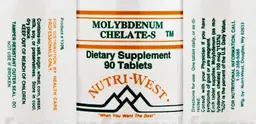
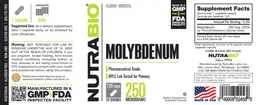
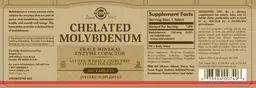
How it's sold
Data aggregated from 13 product labels
Research evidence
Showing top 10 of 3 sources, sorted by quality
**Gu et al., 2022** | Clin Rheumatol | Meta Analysis Gu Tingting, Cao Guorong, ... Leng Min. A systematic review and meta-analysis of the hyperuricemia risk from certain metals. Clin Rheumatol. 2022-Dec;41(12):3641-3660. doi:10.1007/s10067-…
**Source**: IOM 2001 Dietary Reference Intakes for Molybdenum **Unit**: mcg/day | Population | RDA | |---|---| | Adult | 45 mcg/day |
**Source:** [Office of Dietary Supplements, NIH](https://ods.od.nih.gov:443/factsheets/Molybdenum-HealthProfessional/) **Reading Level:** Health Professional This fact sheet from the NIH Office of Dietary Supplements provides evidence-based…
Frequently asked questions
What is Molybdenum and what does it do?
Molybdenum is an essential trace element required for the function of several enzymes in the body. It plays a key role in maintaining essential physiological functions, and current research focuses on its dietary requirements and potential relationship with metabolic risks like hyperuricemia.
What is the recommended daily dose of Molybdenum?
The established Recommended Dietary Allowance (RDA) for adults is 45 mcg/day. This level is supported by strong evidence to maintain essential physiological functions and meet the body's needs for this trace element.
Does Molybdenum help with high uric acid levels?
Research regarding Molybdenum and hyperuricemia (high uric acid) is currently weak. A meta-analysis investigated the risk of hyperuricemia associated with certain metals, including Molybdenum, but evidence is limited and not conclusive regarding its therapeutic use.
Is Molybdenum safe to take?
Molybdenum is generally considered safe when consumed at the recommended dietary level of 45 mcg/day for adults. However, specific upper limits or long-term safety data for high-dose supplementation are not provided in the current evidence summary, so consulting a healthcare provider is advised.
Does Molybdenum interact with any medications?
No specific drug interactions or contraindications for Molybdenum are documented in the available sources. Despite this, individuals taking prescription medications should always consult their healthcare provider before starting any new supplement to ensure safety.
Who should avoid taking Molybdenum supplements?
While no specific contraindications are listed, individuals who are pregnant, breastfeeding, or have existing health conditions should consult a healthcare provider before use. It is important to note that supplements should never replace prescribed medication or professional medical advice.