Astragalus
Also known as astragalus membranaceus, huang qi, milk vetch
Key takeaways
- Reduction in surgical site infections in colorectal cancer surgeries using Jie Geng and Huang Qi (PMID: 38351506)
- Renal protective effects for diabetic kidney disease (PMID: 38733903)
- Efficacy in treating cancer-related fatigue (PMID: 40302232)
What the research shows
AI-synthesized from 9 peer-reviewed sources · Updated 2025
Astragalus (Huang Qi) is a traditional Chinese medicinal root used primarily for immune modulation and fatigue management. Research suggests potential benefits in treating kidney disease, cancer-related fatigue, and post-surgical infections, though evidence varies by application.
By condition
Chronic Kidney Disease / Diabetic Nephropathy
Moderate
Evidence suggests renal protective effects and efficacy in treating diabetic nephropathy, often used in combination with other herbs.
Fatigue (Cancer-related, Post-stroke, Post-COVID)
Moderate
Systematic reviews and RCTs indicate efficacy in reducing fatigue associated with cancer, stroke, and post-COVID-19 syndrome.
Surgical Site Infections
Moderate
A combination of Jie Geng and Huang Qi may reduce the incidence of surgical site infections in colorectal cancer surgeries.
Immune Response
Weak
Meta-analysis of human studies suggests an effect on humoral and cellular immune responses, though sample sizes may be limited.
Pediatric Respiratory Infections
Insufficient
Cochrane reviews have evaluated its use for preventing acute respiratory tract infections in children, but conclusive evidence is lacking.
Effective doses
Specific dose ranges were not provided in the provided abstracts.
Safety & interactions
No specific interactions or contraindications were listed in the provided abstracts.
Limitations
Many studies are meta-analyses of traditional Chinese medicine combinations rather than isolated supplements, and some human immune response studies have very small sample sizes (N=19).
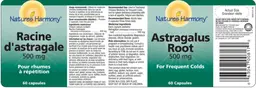
Top-rated Astragalus products
Ranked by safety score and evidence coverage
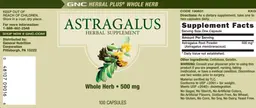
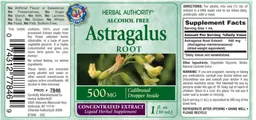
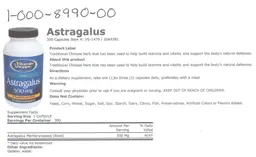
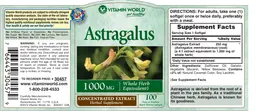
How it's sold
Data aggregated from 268 product labels
Research evidence
Showing top 10 of 9 sources, sorted by quality
BACKGROUND: Astragalus (Radix Astragali, huang qi) is the dried root of Astragalus membranaceus (Fisch.) Bge. var. mongholicus (Bge.) Hsiao or Astragalus membranaceus (Fisch.) Bge. (Family Leguminosae). It is one of the most widely used her…
BACKGROUND: Acute respiratory tract infections (ARTIs) are common in children and can involve both upper and lower airways. Many children experience frequent ARTI episodes or recurrent respiratory tract infections (RRTIs) in early life, whi…
**Chen et al., 2024** | Int Wound J | Meta Analysis Chen Shiwang, Tian Xudong, ... Liao Zhifeng. Evaluating traditional Chinese medicine (TCM) Jie Geng and Huang Qi combination on reducing surgical site infections in colorectal cancer surge…
**Banihashemi et al., 2025** | BMJ Support Palliat Care | Rct Banihashemi Zahra-Sadat, Azizi-Fini Ismail, ... Yadollahi Safoura. Chronic fatigue syndrome post-COVID-19: triple-blind randomised clinical trial of Astragalus root extract. BMJ …
**Liang et al., 2025** | Ren Fail | Meta Analysis Liang Huiyu, Chen Zedong, ... Xiao Ya. Efficacy and potential pharmacological mechanism of Astragalus-Salvia miltiorrhiza combination in diabetic nephropathy: integrating meta-analysis, netw…
**Liu et al., 2024** | Phytomedicine | Meta Analysis Liu Meifang, Di Yuan Ming, ... Xue Charlie Changli. Renal protective effects and mechanisms of Astragalus membranaceus for diabetic kidney disease in animal models: An updated systematic …
**Xu et al., 2020** | Metab Brain Dis | Systematic Review Xu Li, Xu Xiao-Yan, ... Zhang Han-Ting. Adjuvant therapy with Astragalus membranaceus for post-stroke fatigue: a systematic review. Metab Brain Dis. 2020-Jan;35(1):83-93. doi:10.1007…
**Sheng et al., 2025** | Integr Cancer Ther | Meta Analysis Sheng Xia, Yang Liu, ... Lin RuJia. Efficacy of Astragalus Membranaceus (Huang Qi) for Cancer-Related Fatigue: A Systematic Review and Meta-Analysis of Randomized Controlled Studie…
**Zhang et al., 2023** | Complement Med Res | Meta Analysis Zhang Xueling, Qu Xixi, Zou Yu. The Effect of Astragalus on Humoral and Cellular Immune Response: A Systematic Review and Meta-Analysis of Human Studies. Complement Med Res. 2023;3…
Frequently asked questions
What is Astragalus and what is it used for?
Astragalus (Huang Qi) is a traditional Chinese medicinal root primarily used for immune modulation and managing fatigue. Research suggests it may help with kidney disease, cancer-related fatigue, and post-surgical infections, though the strength of evidence varies by application.
Does Astragalus work for chronic kidney disease?
There is moderate evidence suggesting that Astragalus has renal protective effects and may be effective in treating diabetic nephropathy, often when used in combination with other herbs. However, you should consult a healthcare provider before using it for kidney conditions to ensure it is appropriate for your specific health needs.
Can Astragalus help with cancer-related fatigue?
Yes, there is moderate evidence from systematic reviews and RCTs indicating that Astragalus can reduce fatigue associated with cancer, stroke, and post-COVID-19 syndrome. While promising, it should not replace prescribed medical treatments for fatigue management.
Is Astragalus safe to take with other medications?
While no specific drug interactions were documented in the provided evidence, individuals on medications should always consult a healthcare provider before starting Astragalus. This is crucial because the supplement may affect immune responses or interact with other treatments in ways not yet fully documented.
What are the safety concerns and side effects of Astragalus?
The provided evidence does not list specific side effects, but safety data is limited regarding long-term use. Pregnant individuals, those with autoimmune conditions, or people taking immunosuppressants should avoid Astragalus or consult a doctor first, as it modulates the immune system.
Does Astragalus prevent respiratory infections in children?
Evidence for this use is currently insufficient. Cochrane reviews have evaluated its use for preventing acute respiratory tract infections in children but found conclusive evidence lacking. Therefore, it is not recommended as a proven preventive measure for pediatric respiratory issues.
What is the effective dose of Astragalus?
Specific effective dose ranges for Astragalus were not provided in the available research summaries. Because dosing guidelines are not established in the provided evidence, you should consult a healthcare professional to determine an appropriate amount for your needs.