Acai
Also known as acai berry, amazon acai, euterpe oleracea
Key takeaways
- Acai supplementation shows a positive impact on lipid profiles (PMID: 39960343).
- Acai may improve antioxidant status and inflammatory biomarkers when paired with a hypoenergetic diet (PMID: 31307842).
- Acai supplementation was studied for its effects on muscle recovery markers after jump protocols (PMID: 36924018).
What the research shows
AI-synthesized from 6 peer-reviewed sources · Updated 2025
Acai (Euterpe oleracea) is a berry-derived supplement rich in antioxidants. Research suggests potential benefits for lipid profiles, oxidative stress, and muscle recovery, though evidence is limited by small sample sizes.
By condition
Lipid Profile
Moderate
A meta-analysis indicates that acai supplementation can positively impact lipid profiles.
Oxidative Stress & Inflammation
Weak
Combined with a hypoenergetic diet, acai may improve antioxidant status and inflammatory biomarkers in overweight individuals.
Muscle Recovery
Weak
Preliminary evidence suggests acai may influence muscle recovery markers following exercise.
Chronic Tinnitus
Weak
Small-scale RCT evidence explored its effects on perception and anxiety in tinnitus patients.
Cancer Prevention
Insufficient
Systematic reviews suggest anticancer potential via molecular mechanisms, but clinical evidence in humans is lacking.
Effective doses
Specific dose ranges were not provided in the provided abstracts.
Safety & interactions
No specific interactions or contraindications were detailed in the provided abstracts.
Limitations
Most studies have small sample sizes (e.g., N=30 for tinnitus) and the overall volume of high-quality human clinical trials is low.
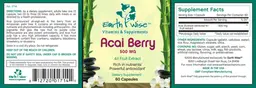
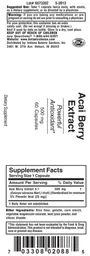
Top-rated Acai products
Ranked by safety score and evidence coverage



How it's sold
Data aggregated from 276 product labels
Research evidence
Showing top 10 of 6 sources, sorted by quality
**Candeloro et al., 2025** | Nutr Bull | Meta Analysis Candeloro Bruno Moreira, Bitencourt Túlio H B, ... Valenti Vitor E. Investigating the Impact of Açai (Euterpe oleracea) on Lipid Profile: A Comprehensive Systematic Review and Meta-Anal…
**Aranha et al., 2020** | Clin Nutr | Rct Aranha Luciana Nicolau, Silva Mariana Gomes, ... Moraes de Oliveira Gláucia Maria. Effects of a hypoenergetic diet associated with açaí (Euterpe oleracea Mart.) pulp consumption on antioxidant statu…
**Dos et al., 2024** | Res Sports Med | Rct Dos Reis Tallyne Mayara Pacheco, Aguiar Gabriel Gomes, ... Rossato Mateus. Effects of acai supplementation (Euterpe precatoria Mart) on muscle recovery markers after jump protocol. Res Sports Med.…
**Oppitz et al., 2022** | Codas | Rct Oppitz Sheila Jacques, Garcia Michele Vargas, ... Silveira Aron Ferreira da. Supplementation with açaí (Euterpe Oleracea Martius) for the treatment of chronic tinnitus: effects on perception, anxiety le…
**Alessandra-Perini et al., 2018** | PLoS One | Systematic Review Alessandra-Perini Jéssica, Rodrigues-Baptista Karina Cristina, ... Perini Jamila Alessandra. Anticancer potential, molecular mechanisms and toxicity of Euterpe oleracea extra…
**Ulbricht et al., 2012** | J Diet Suppl | Systematic Review Ulbricht Catherine, Brigham Ashley, ... Windsor Regina. An evidence-based systematic review of acai (Euterpe oleracea) by the Natural Standard Research Collaboration. J Diet Suppl…
Frequently asked questions
What is Acai and what are its main health benefits?
Acai is a berry-derived supplement rich in antioxidants. Research suggests it may help improve lipid profiles, reduce oxidative stress, and support muscle recovery, although the evidence for these benefits is limited by small sample sizes.
Does Acai help with cholesterol or lipid levels?
There is moderate evidence indicating that Acai supplementation can positively impact lipid profiles. However, consumers should note that specific effective doses for this benefit were not provided in the available research.
Can Acai reduce inflammation or oxidative stress?
Evidence for reducing inflammation is weak, but studies suggest Acai may improve antioxidant status and inflammatory biomarkers when combined with a hypoenergetic diet in overweight individuals. Research is limited, so it is not a standalone cure.
Is Acai effective for muscle recovery after exercise?
Preliminary evidence suggests Acai may influence muscle recovery markers following exercise, but the research strength is weak. More robust clinical trials are needed to confirm these findings for general use.
What is the recommended dosage for Acai supplements?
Specific effective dose ranges for Acai were not provided in the current evidence summary. Because dosages vary and research is limited, it is important to consult a healthcare provider for personalized advice.
Is Acai safe to take with other medications?
No specific drug interactions or contraindications were documented in the provided abstracts. However, because safety data is limited, individuals on medications or with health conditions should consult a healthcare provider before use.
Who should avoid taking Acai supplements?
While no specific contraindications are listed, the evidence for safety is limited. Pregnant women, individuals on prescription medications, or those with chronic conditions should avoid using it without first consulting a healthcare provider.
Does Acai help prevent cancer?
There is insufficient evidence to claim Acai prevents cancer in humans. While systematic reviews suggest potential anticancer mechanisms, clinical evidence in humans is currently lacking, so it should not be used as a preventive treatment.