Carnitine
Also known as acetyl-l-carnitine, carnitine, l-carnitine, lcarnitine
Key takeaways
- Acetyl-L-carnitine shows potential for diabetic peripheral neuropathy (PMID: 31201734).
- Carnitine supplementation may improve sperm quality and pregnancy rates in men with unexplained infertility (PMID: 34871624).
- L-carnitine may improve cardiac function in hemodialysis patients (PMID: 40172612).
What the research shows
AI-synthesized from 80 peer-reviewed sources · Updated 2025
Carnitine is a compound involved in fatty acid metabolism and energy production. Research indicates potential benefits for specific metabolic and neurological conditions, though results are mixed across different clinical applications.
By condition
Diabetic Peripheral Neuropathy
Moderate
Meta-analysis suggests Acetyl-L-carnitine may be beneficial for treating painful diabetic peripheral neuropathy.
Hepatic Encephalopathy
Moderate
Acetyl-L-carnitine has been studied for its potential to manage neuropsychiatric complications in liver failure.
Male Infertility
Moderate
Multiple meta-analyses suggest carnitine may improve sperm quality parameters and pregnancy rates in idiopathic male infertility.
Chronic Kidney Disease (Dialysis)
Moderate
Supplementation is considered beneficial for patients with CKD requiring dialysis due to common carnitine deficiency.
Intermittent Claudication
Weak
Evidence from Cochrane reviews on Propionyl-L-carnitine for peripheral arterial disease is generally inconclusive.
Effective doses
Specific dose ranges were not provided in the provided abstracts.
Safety & interactions
Generally well-tolerated, but specific interactions and contraindications were not detailed in the provided abstracts.
Limitations
Many studies have small sample sizes (e.g., cognitive enhancement) or inconsistent results across different forms of carnitine. There is a need for more standardized, high-powered RCTs to confirm efficacy for fatigue and dementia.
Dietary Reference Intakes
Source: IOM/NAM · Dietary Reference Intakes: L-Carnitine
| Measure | Value | Description |
|---|
Top-rated Carnitine products
Ranked by safety score and evidence coverage
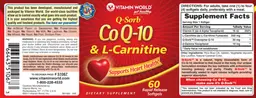
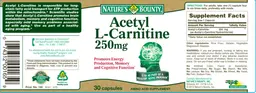

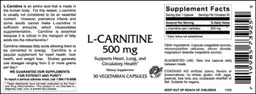
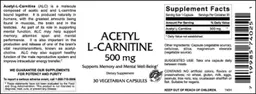
How it's sold
Data aggregated from 882 product labels
Research evidence
Showing top 10 of 80 sources, sorted by quality
BACKGROUND: Peripheral arterial disease (PAD) is a manifestation of systemic atherosclerosis. Intermittent claudication is a symptomatic form of PAD that is characterized by pain in the lower limbs caused by chronic occlusive arterial disea…
BACKGROUND: Carnitine deficiency is common in patients with chronic kidney disease (CKD) who require dialysis. Several clinical studies have suggested that carnitine supplementation is beneficial for dialysis-related symptoms. However, the …
BACKGROUND: Hepatic encephalopathy is a common and devastating neuropsychiatric complication of acute liver failure or chronic liver disease. Ammonia content in the blood seems to play a role in the development of hepatic encephalopathy. Tr…
BACKGROUND: Diabetic peripheral neuropathy (DPN) is a common and severe complication that affects 50% of people with diabetes. Painful DPN is reported to occur in 16% to 24% of people with diabetes. A complete and comprehensive management s…
BACKGROUND: Fatigue is reported to occur in up to 92% of patients with multiple sclerosis (MS) and has been described as the most debilitating of all MS symptoms by 28% to 40% of MS patients. OBJECTIVES: To assess whether carnitine (enteral…
BACKGROUND: Safe interventions to enhance cognitive function in cognitively healthy people would be very valuable for several reasons, including a better quality of life and professional success. While L-carnitine has been reported to enhan…
BACKGROUND: Fatigue is reported to occur in up to 92% of patients with multiple sclerosis (MS) and has been described as the most debilitating of all MS symptoms by 28% to 40% of MS patients. OBJECTIVES: To assess whether carnitine (enteral…
**Sharma et al., 2022** | Urology | Meta Analysis Sharma Aditya P, Sharma Gopal, Kumar Rajeev. Systematic Review and Meta-analysis on Effect of Carnitine, Coenzyme Q10 and Selenium on Pregnancy and Semen Parameters in Couples With Idiopathi…
AIMS: To study and explore the effects of oral Carnitine and Coenzyme Q10 on the quality of sperm and the rate of pregnancy in males with unexplained infertility. BACKGROUND: Preventing and reducing oxidative stress is essential for male in…
BACKGROUND: Carnitine deficiency has been implicated as a potential pathway for cancer-related fatigue that could be treated with carnitine supplementation. The aim of this systematic literature review and meta-analysis was to evaluate the …
Frequently asked questions
What is Carnitine and what is it used for?
Carnitine is a compound involved in fatty acid metabolism and energy production. It is commonly researched for potential benefits in specific metabolic and neurological conditions, such as diabetic peripheral neuropathy and male infertility, though results vary across different applications.
Does Carnitine help with diabetic nerve pain?
There is moderate evidence suggesting that Acetyl-L-carnitine may be beneficial for treating painful diabetic peripheral neuropathy. Research indicates it could help manage these symptoms, but you should consult a healthcare provider to determine if it is appropriate for your specific condition.
Can Carnitine improve male fertility?
Multiple meta-analyses provide moderate evidence that carnitine supplementation may improve sperm quality parameters and pregnancy rates in men with idiopathic (unexplained) male infertility. It is considered a potential supportive treatment for this specific issue, but individual results may vary.
Is Carnitine safe for people with kidney disease?
Supplementation is considered beneficial for patients with chronic kidney disease (CKD) requiring dialysis, as they commonly experience carnitine deficiency. However, because safety details and interactions were not fully detailed in the provided evidence, you must consult a healthcare provider before starting supplementation.
Does Carnitine improve memory or brain function in healthy adults?
Research shows insufficient evidence for cognitive enhancement in healthy adults, with meta-analyses indicating no significant effect on cognitive function in people without existing impairment. Therefore, it is not recommended for general cognitive boosting in healthy individuals.
What is the typical dosage of Carnitine?
There is no established Dietary Reference Intake (DRI) for L-Carnitine, but typical supplemental doses range from 500 to 2000 mg per day. Specific effective doses for different conditions were not provided in the evidence summary, so professional guidance is recommended.
Are there any drug interactions or safety warnings for Carnitine?
While generally well-tolerated, specific interactions and contraindications were not detailed in the provided abstracts, and no drug interactions were documented in the summary. Pregnant individuals, those on medications, or people with liver failure should consult a healthcare provider before use, as evidence for managing hepatic encephalopathy is only moderate.