Potassium
Also known as k, potassium chloride, potassium citrate, potassium ion
Key takeaways
- Higher potassium-to-sodium ratios are associated with a significantly lower risk of stroke (PMID: 29907351).
- Increased potassium intake is linked to a reduction in cardiovascular risk factors and disease (PMID: 23558164).
- Replacing standard salt with low-sodium salt substitutes (LSSS) provides cardiovascular health benefits across various populations (PMID: 35944931).
What the research shows
AI-synthesized from 297 peer-reviewed sources · Updated 2025
Potassium is an essential mineral critical for cardiovascular health and fluid balance. Research indicates that increasing potassium intake, particularly through sodium-reducing salt substitutes, is associated with lower blood pressure and a reduced risk of stroke and overall mortality.
By condition
Hypertension/Cardiovascular Health
Strong
Increased potassium intake and the use of low-sodium salt substitutes significantly reduce blood pressure and cardiovascular risk factors.
Stroke
Strong
A high potassium-to-sodium ratio is strongly associated with a decreased risk of stroke.
General Mortality
Moderate
Large-scale cohort studies and meta-analyses suggest a correlation between higher potassium intake and reduced all-cause mortality.
Effective doses
Specific supplement dose ranges were not provided in the abstracts, though evidence emphasizes the replacement of sodium with potassium-enriched salt substitutes.
Safety & interactions
Potassium supplementation is contraindicated or requires strict monitoring in patients with chronic kidney disease (CKD) due to the risk of hyperkalaemia; potassium binders may be necessary in these populations (PMID: 32588430).
Limitations
Many studies are observational or meta-analyses of cohorts, and there is a need for more specific RCT data on the long-term effects of potassium-enriched salt substitutes on specific cancers, such as stomach cancer.
Dietary Reference Intakes
Source: IOM/NAM · Dietary Reference Intakes: Potassium
| Measure | Value | Description |
|---|
Top-rated Potassium products
Ranked by safety score and evidence coverage
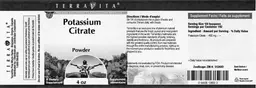
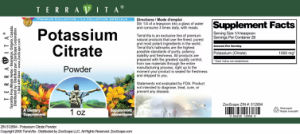
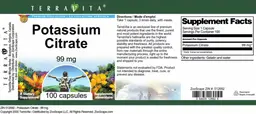
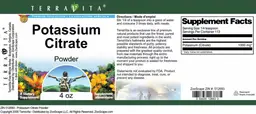

Drug–supplement interactions
3 documented interactions
| Drug | Severity | Mechanism | Evidence |
|---|---|---|---|
| Ace Inhibitors | Critical | ACE inhibitors reduce aldosterone, decreasing potassium excretion. Potassium sup | well-established |
| Arb | Critical | ARBs reduce aldosterone, decreasing potassium excretion. Potassium supplements a | well-established |
| Potassium Sparing Diuretics | Critical | Potassium-sparing diuretics reduce potassium excretion. Potassium supplements ad | well-established |
How it's sold
Data aggregated from 52 product labels
Research evidence
Showing top 10 of 297 sources, sorted by quality
BACKGROUND & AIMS: The association of high sodium intake with risk of stroke has been accepted. But considering the proposed J/U-shaped association between sodium intake and risk of all-cause mortality, the shape of the dose-response relati…
**Gan et al., 2024** | BMC Med | Meta Analysis Gan Lu, Zhao Bin, ... Huang Jiaqi. Sex-specific associations between sodium and potassium intake and overall and cause-specific mortality: a large prospective U.S. cohort study, systematic revi…
**Musini et al., 2014** | Cochrane Database Syst Rev | Meta Analysis Musini Vijaya M, Nazer Mark, ... Wright James M. Blood pressure-lowering efficacy of monotherapy with thiazide diuretics for primary hypertension. Cochrane Database Syst R…
**Brand et al., 2022** | Cochrane Database Syst Rev | Systematic Review Brand Amanda, Visser Marianne E, ... Naude Celeste E. Replacing salt with low-sodium salt substitutes (LSSS) for cardiovascular health in adults, children and pregnant …
**Mah et al., 2020** | Cochrane Database Syst Rev | Meta Analysis Mah Jia Yee, Choy Suet Wan, ... McMahon Lawrence P. Oral protein-based supplements versus placebo or no treatment for people with chronic kidney disease requiring dialysis. C…
**Aburto et al., 2013** | BMJ | Meta Analysis Aburto Nancy J, Hanson Sara, ... Cappuccio Francesco P. Effect of increased potassium intake on cardiovascular risk factors and disease: systematic review and meta-analyses. BMJ. 2013-Apr-03;346…
**Antequera et al., 2019** | Cochrane Database Syst Rev | Systematic Review Antequera Martín Alba M, Barea Mendoza Jesus A, ... Plana Maria N. Buffered solutions versus 0.9% saline for resuscitation in critically ill adults and children. Co…
**Reddin et al., 2023** | Eur J Nutr | Meta Analysis Reddin Catriona, Ferguson John, ... O'Donnell Martin J. Global mean potassium intake: a systematic review and Bayesian meta-analysis. Eur J Nutr. 2023-Aug;62(5):2027-2037. doi:10.1007/s00…
**Derry et al., 2015** | Cochrane Database Syst Rev | Meta Analysis Derry Sheena, Wiffen Philip J, Moore R Andrew. Single dose oral diclofenac for acute postoperative pain in adults. Cochrane Database Syst Rev. 2015-Jul-07;2015(7):CD004768.…
**Derry et al., 2009** | Cochrane Database Syst Rev | Meta Analysis Derry Philip, Derry Sheena, ... McQuay Henry J. Single dose oral diclofenac for acute postoperative pain in adults. Cochrane Database Syst Rev. 2009-Apr-15(2):CD004768. doi…
Frequently asked questions
What is potassium and what are its main health benefits?
Potassium is an essential mineral critical for cardiovascular health and fluid balance. Research indicates that increasing potassium intake is associated with lower blood pressure and a reduced risk of stroke and overall mortality.
Does potassium help lower blood pressure?
Yes, there is strong evidence that increased potassium intake and the use of low-sodium salt substitutes significantly reduce blood pressure and cardiovascular risk factors. It is particularly effective when replacing standard salt with potassium-enriched alternatives.
Can potassium reduce the risk of stroke?
Yes, strong evidence shows that a high potassium-to-sodium ratio is strongly associated with a decreased risk of stroke. Maintaining this balance is a key factor in stroke prevention.
What is the recommended daily intake of potassium?
The Adequate Intake (AI) for adults is 3400 mg per day according to the 2019 Dietary Reference Intakes. Specific supplement dose ranges were not provided in the evidence, which emphasizes obtaining potassium through diet or salt substitutes.
Who should avoid taking potassium supplements?
Potassium supplementation is contraindicated or requires strict monitoring in patients with chronic kidney disease (CKD) due to the risk of hyperkalemia. Additionally, individuals taking ACE inhibitors, ARBs, or potassium-sparing diuretics must avoid supplements without medical supervision due to critical interaction risks.
Are there dangerous drug interactions with potassium?
Yes, potassium has critical interactions with ACE inhibitors, ARBs, and potassium-sparing diuretics. These medications reduce potassium excretion, and adding supplements can dangerously increase potassium levels in the body.
Does potassium help with general mortality or longevity?
There is moderate evidence suggesting a correlation between higher potassium intake and reduced all-cause mortality based on large-scale cohort studies. However, research is observational, and it is important to consult a healthcare provider for personalized advice.