Vitamin A
Also known as beta-carotene, preformed vitamin a, retinal, retinoic acid
Key takeaways
- Vitamin A supplementation significantly reduces morbidity and mortality in children aged 6 months to 5 years (PMID: 28282701).
- Oral vitamin A supplements are effective in preventing acute upper respiratory tract infections in children up to seven years of age (PMID: 38738639).
- Food fortification is an effective strategy for addressing vitamin A deficiency in vulnerable populations (PMID: 31074495).
What the research shows
AI-synthesized from 337 peer-reviewed sources · Updated 2025
Vitamin A is a fat-soluble vitamin critical for immune function, vision, and growth. Research overwhelmingly demonstrates its efficacy in reducing morbidity and mortality in children and pregnant women, particularly in regions with high prevalence of Vitamin A deficiency (VAD).
By condition
Childhood Mortality and Morbidity
Strong
Large-scale meta-analyses show significant reductions in mortality and illness for children under five years of age in low- and middle-income countries.
Acute Upper Respiratory Tract Infections
Moderate
Recent evidence suggests oral vitamin A supplements may help prevent acute upper respiratory tract infections in children up to seven years old.
Mother-to-Child HIV Transmission
Moderate
Evidence suggests a potential role for vitamin A in reducing the risk of mother-to-child transmission of HIV infection.
Retinitis Pigmentosa
Weak
Research into vitamin A and fish oils for preventing the progression of retinitis pigmentosa has not shown definitive efficacy.
Effective doses
Specific dose ranges were not detailed in the provided abstracts, though supplementation is typically administered as high-dose oral capsules in public health programs for children and postpartum women.
Safety & interactions
Potential for toxicity with excessive intake (hypervitaminosis A); caution is required regarding dosing in infants and pregnant women.
Limitations
Much of the high-strength evidence is concentrated in low- and middle-income countries with severe deficiency; there is less data on efficacy in populations with adequate baseline vitamin A levels.
Dietary Reference Intakes
Source: IOM/NAM · Dietary Reference Intakes: Vitamin A (retinol activity equivalents)
| Measure | Value | Description |
|---|
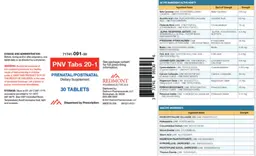
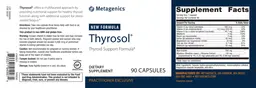
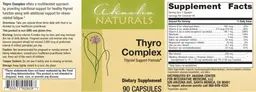
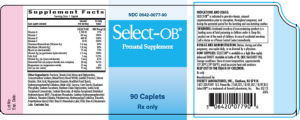
Top-rated Vitamin A products
Ranked by safety score and evidence coverage
Drug–supplement interactions
6 documented interactions
| Drug | Severity | Mechanism | Evidence |
|---|---|---|---|
| Acitretin | Critical | Interaction identified from DDInter 2.0 database. Specific drugs: Acitretin | ddinter-verified |
| Retinoids | Critical | Vitamin A and synthetic retinoids (isotretinoin, acitretin) both activate retino | well-established |
| Tetracyclines | Critical | Interaction identified from DDInter 2.0 database. Specific drugs: Doxycycline, T | ddinter-verified |
| Aluminum | Moderate | Interaction identified from DDInter 2.0 database. Specific drugs: Sevelamer, Sev | ddinter-verified |
| Bile Acid Sequestrants | Moderate | Interaction identified from DDInter 2.0 database. Specific drugs: Cholestyramine | ddinter-verified |
| Selpercatinib | Moderate | Interaction identified from DDInter 2.0 database. Specific drugs: Selpercatinib | ddinter-verified |
How it's sold
Data aggregated from 7,894 product labels
Research evidence
Showing top 10 of 337 sources, sorted by quality
BACKGROUND: Vitamin A deficiency (VAD) is a major public health problem in low- and middle-income countries, affecting 190 million children under five years of age and leading to many adverse health consequences, including death. Based on p…
BACKGROUND: Vitamin A deficiency is a significant public health problem in low and middle income countries. Vitamin A supplementation (VAS) provided to lactating postpartum mothers or to infants less than six months of age are two possible …
BACKGROUND: Observational studies of pregnant women in sub-Saharan Africa have shown that low serum vitamin A levels are associated with an increased risk of mother-to-child transmission (MTCT) of HIV. Vitamin A is cheap and easily provided…
**Mayo-Wilson et al., 2011** | BMJ | Meta Analysis Mayo-Wilson Evan, Imdad Aamer, ... Bhutta Zulfiqar A. Vitamin A supplements for preventing mortality, illness, and blindness in children aged under 5: systematic review and meta-analysis. B…
BACKGROUND: Vitamin A deficiency is a significant public health problem in many low- and middle-income countries, especially affecting young children, women of reproductive age, and pregnant women. Fortification of staple foods with vitamin…
BACKGROUND: Vitamin A deficiency is a significant public health problem in low- and middle-income countries. Vitamin A supplementation provided to infants less than six months of age is one of the strategies to improve the nutrition of infa…
**Schwartz et al., 2020** | Cochrane Database Syst Rev | Meta Analysis Schwartz Stephen G, Wang Xue, ... Abariga Samuel A. Vitamin A and fish oils for preventing the progression of retinitis pigmentosa. Cochrane Database Syst Rev. 2020-Jun-…
**García-Hermoso et al., 2023** | J Sport Health Sci | Meta Analysis García-Hermoso Antonio, Ramírez-Vélez Robinson, ... Izquierdo Mikel. Exercise training-induced changes in exerkine concentrations may be relevant to the metabolic control …
**Das et al., 2019** | Cochrane Database Syst Rev | Meta Analysis Das Jai K, Salam Rehana A, ... Bhutta Zulfiqar A. Food fortification with multiple micronutrients: impact on health outcomes in general population. Cochrane Database Syst Rev…
**Cheng et al., 2024** | Cochrane Database Syst Rev | Meta Analysis Cheng Xiao, Li Dan, ... Zhang Lingli. Oral vitamin A supplements to prevent acute upper respiratory tract infections in children up to seven years of age. Cochrane Database…
Frequently asked questions
What is Vitamin A and what are its main health benefits?
Vitamin A is a fat-soluble vitamin critical for immune function, vision, and growth. Research with strong evidence demonstrates its efficacy in reducing morbidity and mortality in children and pregnant women, particularly in regions with high prevalence of deficiency.
Does Vitamin A help prevent infections in children?
Yes, there is moderate evidence suggesting oral Vitamin A supplements may help prevent acute upper respiratory tract infections in children up to seven years old. Additionally, strong evidence shows it significantly reduces mortality and illness for children under five in low- and middle-income countries.
Is Vitamin A effective for treating retinitis pigmentosa?
Research regarding Vitamin A and fish oils for preventing the progression of retinitis pigmentosa has shown weak evidence and has not demonstrated definitive efficacy. Therefore, evidence is limited regarding its ability to stop the progression of this condition.
Is Vitamin A safe to take during pregnancy?
Caution is required regarding dosing in pregnant women due to the potential for toxicity (hypervitaminosis A) with excessive intake. While it may play a role in reducing mother-to-child HIV transmission, you should consult a healthcare provider before using supplements during pregnancy.
What are the risks of taking too much Vitamin A?
Excessive intake can lead to toxicity known as hypervitaminosis A. Because of this risk, it is important to adhere to recommended dietary allowances and avoid high-dose supplementation without medical supervision, especially for infants and pregnant women.
Does Vitamin A interact with other medications?
Yes, there is a critical interaction between Vitamin A and synthetic retinoids (such as isotretinoin and acitretin) because both activate retinoid receptors. If you are taking these medications, you must consult a healthcare provider to avoid adverse effects.
Who should avoid taking Vitamin A supplements?
Individuals taking synthetic retinoids should avoid high-dose Vitamin A due to critical interactions. Additionally, pregnant women and infants require caution due to toxicity risks, and those with Vitamin A deficiency in high-prevalence regions should follow public health program guidelines.