Phosphatidylserine
Also known as phosphatidylserine complex, ps, sharp ps
Key takeaways
- Improved cognitive function in Chinese older adults with mild cognitive impairment (PMID: 39317299).
- Positive influence on cognitive performance and cortical activity following induced stress (PMID: 18616866).
- Potential application for ADHD management in pediatric epilepsy patients (PMID: 38173190).
What the research shows
AI-synthesized from 5 peer-reviewed sources · Updated 2025
Phosphatidylserine is a phospholipid found in cell membranes, particularly in the brain. Research suggests it may support cognitive function across various populations, including healthy adults, older adults with impairment, and children with ADHD.
By condition
Cognition (General/Stress)
Moderate
Evidence suggests improvements in cognitive performance and cortical activity, particularly under stress or in older adults with mild cognitive impairment.
ADHD (with Epilepsy)
Weak
Preliminary evidence explores its use as a supplement for ADHD symptoms in children and adolescents with comorbid epilepsy.
Effective doses
Specific dose ranges were not provided in the provided abstracts.
Safety & interactions
No specific interactions or contraindications were mentioned in the provided abstracts.
Limitations
The available evidence is limited by small sample sizes in some studies and a lack of standardized dosing across the provided research.
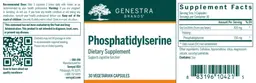
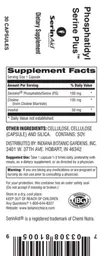
Top-rated Phosphatidylserine products
Ranked by safety score and evidence coverage
How it's sold
Data aggregated from 119 product labels
Research evidence
Showing top 10 of 5 sources, sorted by quality
**Baumeister et al., 2008** | Nutr Neurosci | Rct Baumeister J, Barthel T, ... Weiss M. Influence of phosphatidylserine on cognitive performance and cortical activity after induced stress. Nutr Neurosci. 2008-Jun;11(3):103-10. doi:10.1179/1…
**Duan et al., 2025** | J Affect Disord | Rct Duan Huilian, Xu Ning, ... Huang Guowei. Effects of a food supplement containing phosphatidylserine on cognitive function in Chinese older adults with mild cognitive impairment: A randomized dou…
Magnesium is one of the most abundant essential minerals in the body. Magnesium supplements mostly have low bioavailability, except magnesium L-threonate. In 2010, a novel magnesium compound, magnesium L-threonate (Magtein®) was identified …
BACKGROUND: Attention-deficit hyperactivity disorder (ADHD) is a frequent comorbidity in children with epilepsy, which management mostly relies on the usual treatments of ADHD, especially methylphenidate. Supplementation with polyunsaturate…
**Kennedy et al., 2007** | Hum Psychopharmacol | Rct Kennedy D O, Haskell C F, ... Scholey A B. Acute cognitive effects of standardised Ginkgo biloba extract complexed with phosphatidylserine. Hum Psychopharmacol. 2007-Jun;22(4):199-210 Rec…
Frequently asked questions
What is phosphatidylserine and what is it used for?
Phosphatidylserine is a phospholipid found in cell membranes, particularly in the brain. It is primarily researched for its potential to support cognitive function in healthy adults, older adults with mild cognitive impairment, and children with ADHD.
Does phosphatidylserine help with cognitive decline in older adults?
There is moderate evidence suggesting it may improve cognitive performance and cortical activity, especially under stress or in older adults with mild cognitive impairment. Research indicates potential benefits for this population, though specific effective doses were not provided in the available data.
Can phosphatidylserine treat ADHD symptoms in children?
Evidence for this use is weak, with preliminary research exploring its application for ADHD symptoms in children and adolescents with comorbid epilepsy. Because the evidence is limited, it should not be considered a standard treatment, and consulting a healthcare provider is essential.
What is the effective dose of phosphatidylserine?
The provided research abstracts do not specify effective dose ranges for phosphatidylserine. Consumers should consult a healthcare professional for personalized dosage recommendations, as specific amounts were not documented in the evidence summary.
Is phosphatidylserine safe to take with other medications?
No specific drug interactions or contraindications were documented in the provided evidence. However, individuals taking other medications should always consult a healthcare provider before starting any new supplement to ensure safety.
Who should avoid taking phosphatidylserine?
While no specific contraindications were listed, pregnant or breastfeeding individuals, those with epilepsy, and people on medications should avoid using it without medical supervision. Always consult a healthcare provider to determine if it is safe for your specific health situation.
What are the side effects of phosphatidylserine?
The provided evidence summary does not list specific side effects or safety concerns beyond the lack of documented interactions. Due to limited safety data, it is important to monitor for any adverse reactions and consult a healthcare provider.