Curcumin
Also known as curcuminoids, diferuloylmethane, turmeric, turmeric extract
Key takeaways
- Curcumin significantly reduces pain and improves function in osteoarthritis patients (PMID: 34017975, 34537344).
- Oral supplementation of curcumin effectively reduces systemic inflammatory biomarkers (PMID: 34378053).
- Curcumin shows efficacy in reducing symptoms of depression (PMID: 31423805) and anxiety (PMID: 38857152).
What the research shows
AI-synthesized from 311 peer-reviewed sources · Updated 2025
Curcumin is the primary active polyphenol found in Curcuma longa (turmeric), recognized for its potent anti-inflammatory and antioxidant properties. Research indicates it is particularly effective in managing joint inflammation and may provide supportive benefits for mood and metabolic health.
By condition
Osteoarthritis
Strong
Multiple meta-analyses demonstrate that curcumin significantly reduces pain and improves functional outcomes in patients with knee osteoarthritis.
Inflammation
Strong
Systematic reviews confirm that oral curcumin supplementation effectively lowers serum inflammatory biomarkers.
Mood (Depression/Anxiety)
Moderate
Meta-analyses suggest curcumin may alleviate symptoms of depression and anxiety, though evidence is slightly more varied than for physical inflammation.
Migraine
Weak
Small-scale RCT evidence suggests a synergistic effect when combined with Coenzyme Q10 for prophylaxis.
Effective doses
Specific dose ranges were not detailed in the provided abstracts, though studies distinguished between 'high-dose' and 'low-dose' curcuminoids for osteoarthritis efficacy.
Safety & interactions
Generally considered safe, but users should consult healthcare providers regarding potential interactions with blood thinners or medications for diabetes.
Limitations
While evidence for joint health is robust, further high-quality RCTs are needed to standardize dosing and confirm efficacy for neurological and metabolic conditions.
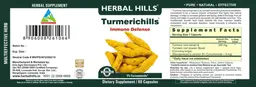
Top-rated Curcumin products
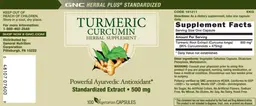
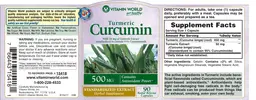
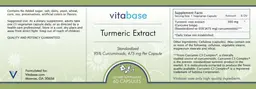
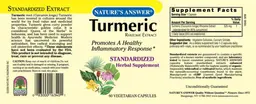
Ranked by safety score and evidence coverage
How it's sold
Data aggregated from 1,145 product labels
Research evidence
Showing top 10 of 311 sources, sorted by quality
OBJECTIVE: To assess the efficacy and safety of Curcuma longa extract and curcumin supplements on osteoarthritis (OA). METHODS: The databases such as Pubmed and Cochrane Library were searched to collect the article about Curcuma longa extra…
Curcumin is the principal curcuminoid found in turmeric (Curcuma longa), a spice frequently used in Asian countries. Given its anti-inflammatory and antioxidant properties, it has been hypothesized that curcumin might be effective in treati…
**Garza et al., 2024** | Nutrients | Meta Analysis Garza María Carmen, Pérez-Calahorra Sofía, ... Lamiquiz-Moneo Itziar. Effect of Aromatic Herbs and Spices Present in the Mediterranean Diet on the Glycemic Profile in Type 2 Diabetes Subjec…
**Gamret et al., 2018** | JAMA Dermatol | Meta Analysis Gamret A Caresse, Price Alexandra, ... Nichols Anna J. Complementary and Alternative Medicine Therapies for Psoriasis: A Systematic Review. JAMA Dermatol. 2018-Nov-01;154(11):1330-1337…
**Luvián-Morales et al., 2022** | Crit Rev Food Sci Nutr | Systematic Review Luvián-Morales Julissa, Varela-Castillo Francisco Omar, ... Castro-Eguiluz Denisse. Functional foods modulating inflammation and metabolism in chronic diseases: a …
BACKGROUND AND AIM: Curcumin is a polyphenolic natural compound that has been used to treat various ailments such as symptoms of anxiety. However, the findings of studies regarding the anti-anxiety properties of curcumin are controversial. …
OBJECTIVES: The aim of this study was to critically appraise and evaluate effects of low- and high-dose curcuminoids on pain and functional improvement in patients with knee osteoarthritis (OA) and to compare adverse events (AEs) between cu…
**Kubizna et al., 2024** | Int J Mol Sci | Systematic Review Kubizna Magdalena, Dawiec Grzegorz, Wiench Rafał. Efficacy of Curcumin-Mediated Antimicrobial Photodynamic Therapy on Candida spp.-A Systematic Review. Int J Mol Sci. 2024-Jul-26;…
BACKGROUND: Curcumin is a potent anti-inflammatory and antioxidant herbal medicine that has been shown to exert beneficial effects on knee osteoarthritis (OA). Previous studies revealed that curcumin had a superior effect compared to contro…
**Bayo et al., 2025** | Int J Mol Sci | Systematic Review Bayo Jimenez Maria T, Rivas-García Lorenzo, ... Forbes-Hernández Tamara Y. Natural Products in Alzheimer's Disease: A Systematic Review of Clinical Trials and Underlying Molecular Me…
Frequently asked questions
What is curcumin and what is it used for?
Curcumin is the primary active polyphenol found in turmeric, known for its potent anti-inflammatory and antioxidant properties. It is primarily used to manage joint inflammation, support mood health, and aid metabolic health.
Does curcumin work for osteoarthritis?
Yes, there is strong evidence that curcumin significantly reduces pain and improves functional outcomes in patients with knee osteoarthritis. Multiple meta-analyses confirm its effectiveness for this condition.
Can curcumin help reduce inflammation?
Yes, there is strong evidence that oral curcumin supplementation effectively lowers serum inflammatory biomarkers. Systematic reviews confirm its ability to reduce systemic inflammation.
Is curcumin effective for depression or anxiety?
There is moderate evidence suggesting curcumin may alleviate symptoms of depression and anxiety. While meta-analyses show efficacy, the evidence is slightly more varied compared to its effects on physical inflammation.
What is the effective dose of curcumin?
Specific dose ranges were not detailed in the provided evidence, though studies distinguished between high-dose and low-dose curcuminoids for osteoarthritis efficacy. You should consult a healthcare provider to determine the appropriate dosage for your needs.
Is curcumin safe to take with blood thinners?
While generally considered safe, users should consult healthcare providers regarding potential interactions with blood thinners. It is important to discuss any medication use with a professional before starting supplementation.
Who should avoid taking curcumin?
Individuals taking medications for diabetes or blood thinners should consult a healthcare provider before use due to potential interactions. Pregnant individuals or those with specific health conditions should also seek medical advice prior to supplementation.