Black Cumin
Also known as black cumin, black cumin seed, black cumin seed oil, black seed oil
Key takeaways
- Nigella sativa may be effective in the short-term management of adolescent PCOS (PMID: 38997723)
- Investigation is ongoing regarding its impact on glyco-lipid parameters in perimenopausal women (NCT06901076)
- Investigation is ongoing regarding its use in hyperlipidemia treatment (NCT06890546)
What the research shows
AI-synthesized from 3 peer-reviewed sources · Updated 2025
Black Cumin Seed (Nigella sativa) is a botanical supplement used for its potential metabolic and endocrine benefits. Current research focuses on its efficacy in managing lipid profiles, glycemic control, and hormonal imbalances in specific populations.
By condition
Hyperlipidemia and Dysglycemia
Weak
Recent clinical trials are investigating its effect on glyco-lipid parameters in perimenopausal women and patients with hyperlipidemia, though full results are pending.
Adolescent Polycystic Ovary Syndrome (PCOS)
Moderate
A randomized controlled trial suggests Nigella sativa may be useful in the short-term management of PCOS in adolescents.
Effective doses
Not specified in the provided abstracts
Safety & interactions
No specific interactions or contraindications were provided in the source abstracts.
Limitations
The available evidence is limited by a small number of studies, and two of the cited clinical trials are very recent with pending full data dissemination.
Top-rated Black Cumin products
Ranked by safety score and evidence coverage
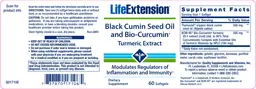
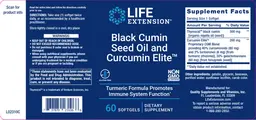
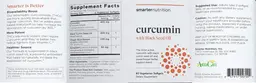
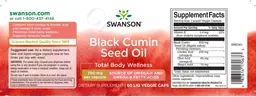
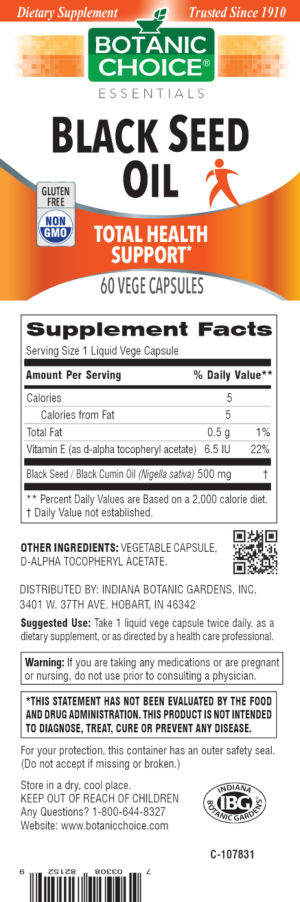
How it's sold
Data aggregated from 130 product labels
Research evidence
Showing top 10 of 3 sources, sorted by quality
**NCT ID**: NCT06901076 **Phase**: NA **Status**: COMPLETED **Enrollment**: 120 **Completion**: 2025-02-11
**NCT ID**: NCT06890546 **Phase**: NA **Status**: COMPLETED **Enrollment**: 64 **Completion**: 2025-02-28
BACKGROUND: Polycystic ovary syndrome (PCOS) is the most common endocrine disorder in reproductive age and the most common cause of infertility due to anovulation. PCOS in adolescents is concerning. Nigella sativa is effective in improving …
Frequently asked questions
What is Black Cumin Seed and what is it used for?
Black Cumin Seed (Nigella sativa) is a botanical supplement primarily researched for its potential metabolic and endocrine benefits. Consumers typically use it to explore support for managing lipid profiles, glycemic control, and hormonal imbalances, particularly in specific populations like those with PCOS.
Does Black Cumin Seed help with Polycystic Ovary Syndrome (PCOS)?
There is moderate evidence suggesting that Nigella sativa may be useful for the short-term management of PCOS in adolescents, based on a randomized controlled trial. However, research is still evolving, and it should not replace prescribed medical treatments for hormonal conditions.
Can Black Cumin Seed lower cholesterol or blood sugar levels?
Current evidence regarding its impact on glyco-lipid parameters is weak, as recent clinical trials in perimenopausal women and patients with hyperlipidemia are still pending full results. While investigations are ongoing, there is not yet strong proof that it effectively manages these conditions.
What is the effective dose of Black Cumin Seed?
The provided evidence summary does not specify an effective dose for Black Cumin Seed. Because dosing guidelines are not established in the available research, you should consult a healthcare provider to determine an appropriate amount for your specific needs.
Is Black Cumin Seed safe to take with other medications?
While no specific drug interactions were documented in the source abstracts, it is crucial to consult a healthcare provider before use, especially if you are on other medications. Pregnant individuals and those with existing health conditions should avoid using this supplement without professional medical guidance.
Who should avoid taking Black Cumin Seed?
Individuals who are pregnant or taking prescription medications should avoid this supplement unless directed by a healthcare provider. Additionally, because the safety profile and effective dosages are not fully defined in the current evidence, caution is advised for all users.