Folate
Also known as 5-mthf, folic acid, folinic acid, l-methylfolate
Key takeaways
- Folic acid supplementation is associated with a reduced risk of hypertensive disorders of pregnancy (PMID: 33878280).
- Folate intake is linked to a decreased risk of coronary heart disease (PMID: 30431328).
- Folic acid supplementation shows beneficial effects on lipid markers in adults (PMID: 34002661).
What the research shows
AI-synthesized from 363 peer-reviewed sources · Updated 2025
Folate (Vitamin B9) is a critical nutrient primarily known for its role in preventing neural tube defects and managing homocysteine levels. Research indicates significant benefits for maternal health and pregnancy outcomes, with emerging evidence regarding its impact on cardiovascular markers and cognitive function.
By condition
Pregnancy/Maternal Health
Strong
Strong evidence supports folic acid supplementation in reducing maternal and neonatal morbidity and lowering the risk of hypertensive disorders of pregnancy.
Cardiovascular Health
Moderate
Folate intake is associated with a reduced risk of coronary heart disease and improvements in lipid markers and blood pressure.
Cognitive Function
Moderate
B-vitamin interventions, including folate, show potential in mitigating cognitive decline in older adults, though effectiveness may vary by fortification policy.
Stroke Prevention
Weak
Evidence from large RCTs suggests limited or inconsistent efficacy for the primary prevention of stroke in hypertensive adults.
Pancreatic Cancer
Moderate
Meta-analysis of epidemiological studies suggests an association between folate intake and a reduced risk of pancreatic cancer.
Effective doses
Specific dose ranges were not detailed in the provided abstracts, though they are typically administered as daily supplementation during preconception and pregnancy.
Safety & interactions
Generally safe; however, high doses of folic acid may mask vitamin B12 deficiency, which is critical for neurological health.
Limitations
There is inconsistency in data regarding stroke prevention, and the impact of mandatory food fortification on the efficacy of supplements for cognitive decline requires further clarification.
Dietary Reference Intakes
Source: IOM/NAM · Dietary Reference Intakes: Folate (Vitamin B9, DFE)
| Measure | Value | Description |
|---|
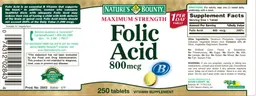
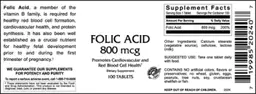
Top-rated Folate products
Ranked by safety score and evidence coverage



How it's sold
Data aggregated from 683 product labels
Research evidence
Showing top 10 of 363 sources, sorted by quality
**Martí-Carvajal et al., 2017** | Cochrane Database Syst Rev | Meta Analysis Martí-Carvajal Arturo J, Solà Ivan, ... Dayer Mark. Homocysteine-lowering interventions for preventing cardiovascular events. Cochrane Database Syst Rev. 2017-Aug-…
**Lassi et al., 2015** | Cochrane Database Syst Rev | Meta Analysis Lassi Zohra S, Bhutta Zulfiqar A. Community-based intervention packages for reducing maternal and neonatal morbidity and mortality and improving neonatal outcomes. Cochrane…
**Fu et al., 2021** | Dig Dis Sci | Meta Analysis Fu Hongjuan, Zeng Jie, ... Chang Hui. Folate Intake and Risk of Pancreatic Cancer: A Systematic Review and Updated Meta-Analysis of Epidemiological Studies. Dig Dis Sci. 2021-Jul;66(7):2368-…
**Yu et al., 2021** | J Pharm Pharm Sci | Meta Analysis Yu Yahui, Sun Ximu, ... Feng Xin. The Association Between the Risk of Hypertensive Disorders of Pregnancy and Folic Acid: A Systematic Review and Meta-Analysis. J Pharm Pharm Sci. 2021…
The policies regarding the mandatory fortification of food with folic acid (FA) may impact the effectiveness of folate-based B vitamin treatment on cognitive function in older adults. We critically and systematically review the literature t…
**Tavares et al., 2025** | J Clin Neurosci | Meta Analysis Tavares Rodrigues Luiz Phelipe, Medeiros de Souza Gabriel da Costa, ... Figueiredo Eberval Gadelha. Associations between serum Homocysteine, vitamin B9, and vitamin B12 levels and t…
**Jayedi et al., 2019** | Crit Rev Food Sci Nutr | Meta Analysis Jayedi Ahmad, Zargar Mahdieh Sadat. Intake of vitamin B6, folate, and vitamin B12 and risk of coronary heart disease: a systematic review and dose-response meta-analysis of pr…
**Asbaghi et al., 2022** | Crit Rev Food Sci Nutr | Meta Analysis Asbaghi Omid, Ashtary-Larky Damoon, ... Naeini Amirmansour Alavi. Beneficial effects of folic acid supplementation on lipid markers in adults: A GRADE-assessed systematic rev…
**Asbaghi et al., 2023** | Crit Rev Food Sci Nutr | Meta Analysis Asbaghi Omid, Salehpour Sara, ... Naeini Amirmansour Alavi. Folic acid supplementation and blood pressure: a GRADE-assessed systematic review and dose-response meta-analysis …
**Agarwal et al., 2025** | Cochrane Database Syst Rev | Meta Analysis Agarwal Smisha, Chin Weng Yee, ... Lewin Simon. Digital tracking, provider decision support systems, and targeted client communication via mobile devices to improve prima…
Frequently asked questions
What is folate and what is it primarily used for?
Folate, also known as Vitamin B9, is a critical nutrient primarily used to prevent neural tube defects during pregnancy and to manage homocysteine levels. It plays a significant role in maternal health, with strong evidence supporting its use in reducing maternal and neonatal morbidity and lowering the risk of hypertensive disorders of pregnancy.
Does folate help with heart health or stroke prevention?
There is moderate evidence that folate intake is associated with a reduced risk of coronary heart disease and improvements in lipid markers and blood pressure. However, evidence for stroke prevention is weak, as large studies suggest limited or inconsistent efficacy for the primary prevention of stroke in hypertensive adults.
Can folate improve cognitive function in older adults?
Research shows moderate evidence that B-vitamin interventions, including folate, may help mitigate cognitive decline in older adults. However, the effectiveness of these interventions may vary depending on the population's existing folate fortification policies.
Is there evidence linking folate to cancer prevention?
Moderate evidence from meta-analyses of epidemiological studies suggests an association between folate intake and a reduced risk of pancreatic cancer. Consumers should note that this evidence is observational and does not prove causation.
What is the recommended daily dose of folate?
The Recommended Dietary Allowance (RDA) for adults is 400 mcg DFE per day. While specific therapeutic dose ranges were not detailed in the provided evidence, folic acid is typically administered as daily supplementation during preconception and pregnancy periods.
Is folate safe to take, and are there any side effects?
Folate is generally safe, but high doses of folic acid may mask vitamin B12 deficiency, which is critical for neurological health. Because of this risk, individuals with potential B12 deficiencies should consult a healthcare provider before taking high-dose supplements.
Who should avoid taking folate supplements?
Individuals who may have an undiagnosed vitamin B12 deficiency should avoid high-dose folic acid supplementation without medical supervision, as it can mask the deficiency. Additionally, while generally safe, anyone on medication or with specific health conditions should consult a healthcare provider to ensure safety.
Does folate interact with any medications?
No drug interactions have been documented for folate in the provided evidence summary. However, because high doses can mask vitamin B12 deficiency, it is important to monitor B12 levels, especially if you are taking medications that affect nutrient absorption.