Phosphorus
Also known as elemental phosphorus, p, phosphate
Key takeaways
- Phosphate binders effectively reduce serum phosphate levels in patients with CKD (PMID: 30132304, 40576086).
- Calcium and phosphorus supplementation is necessary for preterm infants due to insufficient levels in human milk (PMID: 28238222).
- Silicate-substituted calcium phosphate grafts are effective for spinal fusion outcomes (PMID: 33222944).
What the research shows
AI-synthesized from 46 peer-reviewed sources · Updated 2025
Phosphorus is an essential mineral involved in bone health, energy metabolism, and cellular function. Research primarily focuses on its management in chronic kidney disease (CKD) via phosphate binders and its supplementation in neonatal and intensive care settings.
By condition
Chronic Kidney Disease (CKD-MBD)
Strong
Phosphate binders are effective in lowering serum phosphate levels to prevent progression of mineral and bone disorder.
Preterm Infant Nutrition
Moderate
Phosphorus supplementation is used to address insufficient levels in preterm human milk to support skeletal growth.
Critical Care (ICU)
Weak
Research explores the effects of phosphate supplementation in ICU patients, though evidence on clinical outcomes is limited.
Bone Grafting/Spinal Fusion
Moderate
Silicate-substituted calcium phosphate bone grafts show positive radiographic and clinical outcomes in spinal fusion.
Effective doses
Specific dose ranges for general supplementation were not provided in the abstracts; dosing is typically individualized based on serum levels and clinical guidelines (e.g., ESPGHAN/ESPEN).
Safety & interactions
Excessive phosphorus levels can lead to calcium-phosphate precipitation and are contraindicated in patients with severe renal failure unless managed by phosphate binders.
Limitations
Much of the high-level evidence focuses on phosphate restriction (binders) rather than supplementation. There is a lack of standardized dosing data for general health supplementation across diverse populations.
Dietary Reference Intakes
Source: IOM/NAM · Dietary Reference Intakes: Phosphorus
| Measure | Value | Description |
|---|
Top-rated Phosphorus products
Ranked by safety score and evidence coverage

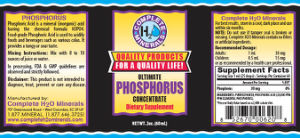
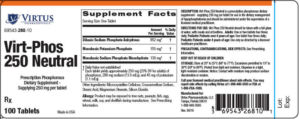

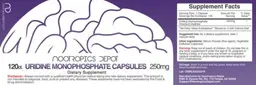
How it's sold
Data aggregated from 550 product labels
Research evidence
Showing top 10 of 46 sources, sorted by quality
BACKGROUND: Phosphate binders are used to reduce positive phosphate balance and to lower serum phosphate levels for people with chronic kidney disease (CKD) with the aim to prevent progression of chronic kidney disease-mineral and bone diso…
BACKGROUND: Phosphate binders lower serum phosphate levels for people with chronic kidney disease (CKD). This is an updated review, previously published in 2011 and 2018. New studies have been published and an update of the current evidence…
**Navaneethan et al., 2011** | Cochrane Database Syst Rev | Meta Analysis Navaneethan Sankar D, Palmer Suetonia C, ... Strippoli Giovanni Fm. Phosphate binders for preventing and treating bone disease in chronic kidney disease patients. Coc…
BACKGROUND: Preterm infants are born with low skeletal stores of calcium and phosphorus. Preterm human milk provides insufficient calcium and phosphorus to meet the estimated needs of preterm infants for adequate growth. Supplementation of …
**Cottrill et al., 2020** | J Clin Neurosci | Meta Analysis Cottrill Ethan, Premananthan Christine, ... Witham Timothy. Radiographic and clinical outcomes of silicate-substituted calcium phosphate (SiCaP) bone grafts in spinal fusion: Syste…
**Zhao et al., 2022** | Ann Palliat Med | Meta Analysis Zhao Si-Jie, Wang Zi-Xuan, ... Kong Ling-Dong. Effect of different phosphate binders on fibroblast growth factor 23 levels in patients with chronic kidney disease: a systematic review …
**Adelufosi et al., 2015** | Cochrane Database Syst Rev | Meta Analysis Adelufosi Adegoke Oloruntoba, Abayomi Olukayode, Ojo Tunde Massey-Ferguson. Pyridoxal 5 phosphate for neuroleptic-induced tardive dyskinesia. Cochrane Database Syst Rev…
**Phannajit et al., 2022** | J Nephrol | Meta Analysis Phannajit Jeerath, Wonghakaeo Natthaphon, ... Susantitaphong Paweena. The impact of phosphate lowering agents on clinical and laboratory outcomes in chronic kidney disease patients: a s…
**Nakai et al., 2024** | Ther Apher Dial | Meta Analysis Nakai Kentaro, Kono Keiji, ... Fukagawa Masafumi. Calcimimetics treatment strategy for serum calcium and phosphate management in patients with secondary hyperparathyroidism undergoing…
Frequently asked questions
What is phosphorus and why is it important?
Phosphorus is an essential mineral critical for bone health, energy metabolism, and cellular function. According to the Institute of Medicine, the recommended daily allowance for adults aged 19-70 is 700 mg per day.
Does phosphorus supplementation help with chronic kidney disease?
There is strong evidence that phosphate binders are effective in lowering serum phosphate levels to prevent the progression of mineral and bone disorder in chronic kidney disease. However, excessive phosphorus levels can lead to calcium-phosphate precipitation, so management must be guided by clinical guidelines.
Is phosphorus safe for preterm infants?
There is moderate evidence that phosphorus supplementation is necessary for preterm infants because human milk often has insufficient levels to support skeletal growth. Dosing is typically individualized based on serum levels and clinical guidelines rather than a standard general dose.
Can phosphorus supplements help with bone grafting or spinal fusion?
Research shows moderate evidence that silicate-substituted calcium phosphate bone grafts can lead to positive radiographic and clinical outcomes in spinal fusion. This application is specific to medical devices rather than general oral supplementation.
What are the safety risks and side effects of phosphorus?
Excessive phosphorus levels can cause calcium-phosphate precipitation and are contraindicated in patients with severe renal failure unless managed by phosphate binders. Individuals with kidney issues should avoid unmonitored supplementation and consult a healthcare provider.
Are there any drug interactions with phosphorus?
No drug interactions are currently documented for phosphorus. However, patients with chronic kidney disease must manage their phosphorus intake carefully under medical supervision to prevent complications.
Who should avoid taking phosphorus supplements?
Patients with severe renal failure should avoid phosphorus supplementation unless it is managed by phosphate binders, as it can lead to dangerous calcium-phosphate precipitation. Always consult a healthcare provider before starting any new supplement regimen.