Licorice

3 research sources Also known as: glycyrrhiza glabra glycyrrhiza DGL deglycyrrhizinated licorice
234 Products on Market
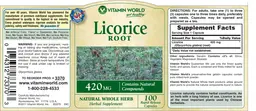
420.0 mg Median Dose
🟢 98/100 Market Safety Score
3 Research Sources
Browse 234 products →

Top-Rated Licorice Products

View all Licorice products → Best Licorice rankings →

Evidence Summary

Licorice root (Glycyrrhiza glabra) is being investigated for its therapeutic potential in managing inflammatory conditions and providing topical pain relief. Current research focuses on its application in aphthous ulcers, rheumatoid arthritis, and its metabolic safety in specific populations.

Evidence by Condition

Aphthous Ulcer Moderate

Licorice gargle juice has been shown to be effective for pain relief in aphthous ulcers.

Rheumatoid Arthritis Insufficient

Systematic reviews explore the pharmacological mechanisms and potential synergistic strategies of Glycyrrhiza glabra in managing rheumatoid arthritis.

Effective Doses

Not specifically reported in the provided studies.

Key Findings

  • Licorice gargle juice provides effective pain relief for aphthous ulcers (PMID: 36451559)
  • Glycyrrhiza glabra shows potential in the management of rheumatoid arthritis through various pharmacological mechanisms (PMID: 41177239)
  • Clinical trials are investigating the metabolism and safety of licorice botanical supplements in women (NCT03948243)

Limitations

The current body of research is limited by small sample sizes and a lack of large-scale, diverse clinical trials.

Safety & Interactions

Research is ongoing regarding the metabolism and safety of licorice botanical supplements, particularly in women.

AI-generated summary from 3 peer-reviewed studies. Not medical advice. Always consult a healthcare provider.

Drug-Supplement Interactions

Antiarrhythmics 🔴 Critical
Mechanism: Licorice is a weak inhibitor of CYP2C9, which decreases metabolism of CYP2C9 substrates, potentially increasing their plasma concentrations and risk of adverse effects.
Effect: Increased plasma levels of amiodarone (antiarrhythmics), potentially leading to toxicity or enhanced adverse effects.
Management: Monitor for increased adverse effects of amiodarone. Dose reduction may be necessary. Consider alternative supplement or consult healthcare provider.
Evidence: cyp-inferred
Anticonvulsants 🔴 Critical
Mechanism: Licorice is a moderate inhibitor of CYP3A4, which decreases metabolism of CYP3A4 substrates, potentially increasing their plasma concentrations and risk of adverse effects.
Effect: Increased plasma levels of carbamazepine (anticonvulsants), potentially leading to toxicity or enhanced adverse effects.
Management: Monitor for increased adverse effects of carbamazepine. Dose reduction may be necessary. Consider alternative supplement or consult healthcare provider.
Evidence: cyp-inferred
GI Prokinetics 🔴 Critical
Mechanism: Licorice is a moderate inhibitor of CYP3A4, which decreases metabolism of CYP3A4 substrates, potentially increasing their plasma concentrations and risk of adverse effects.
Effect: Increased plasma levels of cisapride (gi-prokinetics), potentially leading to toxicity or enhanced adverse effects.
Management: Monitor for increased adverse effects of cisapride. Dose reduction may be necessary. Consider alternative supplement or consult healthcare provider.
Evidence: cyp-inferred
Immunosuppressants 🔴 Critical
Mechanism: Licorice is a moderate inhibitor of CYP3A4, which decreases metabolism of CYP3A4 substrates, potentially increasing their plasma concentrations and risk of adverse effects.
Effect: Increased plasma levels of cyclosporine (immunosuppressants), potentially leading to toxicity or enhanced adverse effects.
Management: Monitor for increased adverse effects of cyclosporine. Dose reduction may be necessary. Consider alternative supplement or consult healthcare provider.
Evidence: cyp-inferred
Theophylline 🔴 Critical
Mechanism: Licorice is a moderate inhibitor of CYP3A4, which decreases metabolism of CYP3A4 substrates, potentially increasing their plasma concentrations and risk of adverse effects.
Effect: Increased plasma levels of theophylline (theophylline), potentially leading to toxicity or enhanced adverse effects.
Management: Monitor for increased adverse effects of theophylline. Dose reduction may be necessary. Consider alternative supplement or consult healthcare provider.
Evidence: cyp-inferred
ARB 🟡 Moderate
Mechanism: Licorice is a weak inhibitor of CYP2C9, which decreases metabolism of CYP2C9 substrates, potentially increasing their plasma concentrations and risk of adverse effects.
Effect: Increased plasma levels of losartan (arb), potentially leading to toxicity or enhanced adverse effects.
Management: Monitor for increased adverse effects of losartan. Dose reduction may be necessary. Consider alternative supplement or consult healthcare provider.
Evidence: cyp-inferred
Ace Inhibitors 🟡 Moderate
Mechanism: Licorice causes potassium loss via pseudohyperaldosteronism, while ACE inhibitors can raise potassium. Complex interaction.
Effect: Hypokalemia from licorice may counteract ACE inhibitor potassium-sparing effect
Management: Avoid licorice supplements. Monitor potassium levels.
Evidence: well-established
Mechanism: Interaction identified from DDInter 2.0 database. Specific drugs: Amphotericin B (cholesteryl sulfate)
Effect: See mechanism description
Management: Consult healthcare provider before combining.
Evidence: ddinter-verified
Mechanism: Interaction identified from DDInter 2.0 database. Specific drugs: Amphotericin B (lipid complex)
Effect: See mechanism description
Management: Consult healthcare provider before combining.
Evidence: ddinter-verified
Mechanism: Interaction identified from DDInter 2.0 database. Specific drugs: Amphotericin B (liposomal)
Effect: See mechanism description
Management: Consult healthcare provider before combining.
Evidence: ddinter-verified
Amyl Nitrite 🟡 Moderate
Mechanism: Interaction identified from DDInter 2.0 database. Specific drugs: Amyl Nitrite
Effect: See mechanism description
Management: Consult healthcare provider before combining.
Evidence: ddinter-verified
Antibiotics 🟡 Moderate
Mechanism: Licorice is a moderate inhibitor of CYP3A4, which decreases metabolism of CYP3A4 substrates, potentially increasing their plasma concentrations and risk of adverse effects.
Effect: Increased plasma levels of clarithromycin (antibiotics), potentially leading to toxicity or enhanced adverse effects.
Management: Monitor for increased adverse effects of clarithromycin. Dose reduction may be necessary. Consider alternative supplement or consult healthcare provider.
Evidence: cyp-inferred
Antidiabetic Drugs 🟡 Moderate
Mechanism: Licorice is a moderate inhibitor of CYP3A4, which decreases metabolism of CYP3A4 substrates, potentially increasing their plasma concentrations and risk of adverse effects.
Effect: Increased plasma levels of repaglinide (antidiabetic-drugs), potentially leading to toxicity or enhanced adverse effects.
Management: Monitor for increased adverse effects of repaglinide. Dose reduction may be necessary. Consider alternative supplement or consult healthcare provider.
Evidence: cyp-inferred
Antifungals 🟡 Moderate
Mechanism: Licorice is a moderate inhibitor of CYP3A4, which decreases metabolism of CYP3A4 substrates, potentially increasing their plasma concentrations and risk of adverse effects.
Effect: Increased plasma levels of fluconazole (antifungals), potentially leading to toxicity or enhanced adverse effects.
Management: Monitor for increased adverse effects of fluconazole. Dose reduction may be necessary. Consider alternative supplement or consult healthcare provider.
Evidence: cyp-inferred
Antihypertensives 🟡 Moderate
Mechanism: Glycyrrhizin in licorice inhibits 11β-HSD, causing cortisol to activate mineralocorticoid receptors, increasing sodium retention and potassium excretion.
Effect: Hypertension; hypokalemia; counteracts antihypertensive drugs
Management: Avoid licorice supplements with antihypertensives. Monitor blood pressure and potassium.
Evidence: well-established
Antiplatelet Drugs 🟡 Moderate
Mechanism: Licorice is a weak inhibitor of CYP2C19, which decreases metabolism of CYP2C19 substrates, potentially increasing their plasma concentrations and risk of adverse effects.
Effect: Increased plasma levels of clopidogrel (antiplatelet-drugs), potentially leading to toxicity or enhanced adverse effects.
Management: Monitor for increased adverse effects of clopidogrel. Dose reduction may be necessary. Consider alternative supplement or consult healthcare provider.
Evidence: cyp-inferred
Antipsychotics 🟡 Moderate
Mechanism: Licorice is a moderate inhibitor of CYP3A4, which decreases metabolism of CYP3A4 substrates, potentially increasing their plasma concentrations and risk of adverse effects.
Effect: Increased plasma levels of haloperidol (antipsychotics), potentially leading to toxicity or enhanced adverse effects.
Management: Monitor for increased adverse effects of haloperidol. Dose reduction may be necessary. Consider alternative supplement or consult healthcare provider.
Evidence: cyp-inferred
Benzodiazepines 🟡 Moderate
Mechanism: Licorice is a moderate inhibitor of CYP3A4, which decreases metabolism of CYP3A4 substrates, potentially increasing their plasma concentrations and risk of adverse effects.
Effect: Increased plasma levels of midazolam (benzodiazepines), potentially leading to toxicity or enhanced adverse effects.
Management: Monitor for increased adverse effects of midazolam. Dose reduction may be necessary. Consider alternative supplement or consult healthcare provider.
Evidence: cyp-inferred
Beta Blockers 🟡 Moderate
Mechanism: Licorice is a weak inhibitor of CYP2C19, which decreases metabolism of CYP2C19 substrates, potentially increasing their plasma concentrations and risk of adverse effects.
Effect: Increased plasma levels of propranolol (beta-blockers), potentially leading to toxicity or enhanced adverse effects.
Management: Monitor for increased adverse effects of propranolol. Dose reduction may be necessary. Consider alternative supplement or consult healthcare provider.
Evidence: cyp-inferred
Beta-2 Agonists 🟡 Moderate
Mechanism: Licorice is a moderate inhibitor of CYP3A4, which decreases metabolism of CYP3A4 substrates, potentially increasing their plasma concentrations and risk of adverse effects.
Effect: Increased plasma levels of salmeterol (beta2-agonists), potentially leading to toxicity or enhanced adverse effects.
Management: Monitor for increased adverse effects of salmeterol. Dose reduction may be necessary. Consider alternative supplement or consult healthcare provider.
Evidence: cyp-inferred
CFTR Modulators 🟡 Moderate
Mechanism: Licorice is a moderate inhibitor of CYP3A4, which decreases metabolism of CYP3A4 substrates, potentially increasing their plasma concentrations and risk of adverse effects.
Effect: Increased plasma levels of ivacaftor (cftr-modulators), potentially leading to toxicity or enhanced adverse effects.
Management: Monitor for increased adverse effects of ivacaftor. Dose reduction may be necessary. Consider alternative supplement or consult healthcare provider.
Evidence: cyp-inferred
Calcium Channel Blockers 🟡 Moderate
Mechanism: Licorice is a moderate inhibitor of CYP3A4, which decreases metabolism of CYP3A4 substrates, potentially increasing their plasma concentrations and risk of adverse effects.
Effect: Increased plasma levels of nifedipine (calcium-channel-blockers), potentially leading to toxicity or enhanced adverse effects.
Management: Monitor for increased adverse effects of nifedipine. Dose reduction may be necessary. Consider alternative supplement or consult healthcare provider.
Evidence: cyp-inferred
Chemotherapy 🟡 Moderate
Mechanism: Licorice is a moderate inhibitor of CYP3A4, which decreases metabolism of CYP3A4 substrates, potentially increasing their plasma concentrations and risk of adverse effects.
Effect: Increased plasma levels of doxorubicin (chemotherapy), potentially leading to toxicity or enhanced adverse effects.
Management: Monitor for increased adverse effects of doxorubicin. Dose reduction may be necessary. Consider alternative supplement or consult healthcare provider.
Evidence: cyp-inferred
Corticosteroids 🟡 Moderate
Mechanism: Interaction identified from DDInter 2.0 database. Specific drugs: Hydrocortisone, Triamcinolone, Dexamethasone, Betamethasone, Budesonide, Prednisone, Prednisolone, Hydrocortisone, Triamcinolone, Dexamethasone, Betamethasone, Budesonide, Methylprednisolone, Prednisolone, Hydrocortisone, Triamcinolone, Dexamethasone, Betamethasone, Deflazacort, Methylprednisolone, Prednisone, Prednisolone, Fludrocortisone, Hydrocortisone, Triamcinolone, Dexamethasone, Betamethasone, Budesonide, Prednisolone, Prednisolone
Effect: See mechanism description
Management: Consult healthcare provider before combining.
Evidence: ddinter-verified
Corticotropin 🟡 Moderate
Mechanism: Interaction identified from DDInter 2.0 database. Specific drugs: Corticotropin
Effect: See mechanism description
Management: Consult healthcare provider before combining.
Evidence: ddinter-verified
Diazoxide 🟡 Moderate
Mechanism: Interaction identified from DDInter 2.0 database. Specific drugs: Diazoxide
Effect: See mechanism description
Management: Consult healthcare provider before combining.
Evidence: ddinter-verified
Epoprostenol 🟡 Moderate
Mechanism: Interaction identified from DDInter 2.0 database. Specific drugs: Epoprostenol
Effect: See mechanism description
Management: Consult healthcare provider before combining.
Evidence: ddinter-verified
Gastrointestinal Drugs 🟡 Moderate
Mechanism: Interaction identified from DDInter 2.0 database. Specific drugs: Tolevamer
Effect: See mechanism description
Management: Consult healthcare provider before combining.
Evidence: ddinter-verified
Iloprost 🟡 Moderate
Mechanism: Interaction identified from DDInter 2.0 database. Specific drugs: Iloprost
Effect: See mechanism description
Management: Consult healthcare provider before combining.
Evidence: ddinter-verified
Leukotriene Antagonists 🟡 Moderate
Mechanism: Licorice is a moderate inhibitor of CYP3A4, which decreases metabolism of CYP3A4 substrates, potentially increasing their plasma concentrations and risk of adverse effects.
Effect: Increased plasma levels of montelukast (leukotriene-antagonists), potentially leading to toxicity or enhanced adverse effects.
Management: Monitor for increased adverse effects of montelukast. Dose reduction may be necessary. Consider alternative supplement or consult healthcare provider.
Evidence: cyp-inferred
Mannitol 🟡 Moderate
Mechanism: Interaction identified from DDInter 2.0 database. Specific drugs: Mannitol
Effect: See mechanism description
Management: Consult healthcare provider before combining.
Evidence: ddinter-verified
NSAIDs 🟡 Moderate
Mechanism: Licorice is a weak inhibitor of CYP2C9, which decreases metabolism of CYP2C9 substrates, potentially increasing their plasma concentrations and risk of adverse effects.
Effect: Increased plasma levels of ibuprofen (nsaids), potentially leading to toxicity or enhanced adverse effects.
Management: Monitor for increased adverse effects of ibuprofen. Dose reduction may be necessary. Consider alternative supplement or consult healthcare provider.
Evidence: cyp-inferred
Nephrotoxic Drugs 🟡 Moderate
Mechanism: Interaction identified from DDInter 2.0 database. Specific drugs: Amphotericin B
Effect: See mechanism description
Management: Consult healthcare provider before combining.
Evidence: ddinter-verified
Opioids 🟡 Moderate
Mechanism: Licorice is a moderate inhibitor of CYP3A4, which decreases metabolism of CYP3A4 substrates, potentially increasing their plasma concentrations and risk of adverse effects.
Effect: Increased plasma levels of methadone (opioids), potentially leading to toxicity or enhanced adverse effects.
Management: Monitor for increased adverse effects of methadone. Dose reduction may be necessary. Consider alternative supplement or consult healthcare provider.
Evidence: cyp-inferred
Oral Contraceptives 🟡 Moderate
Mechanism: Licorice is a moderate inhibitor of CYP3A4, which decreases metabolism of CYP3A4 substrates, potentially increasing their plasma concentrations and risk of adverse effects.
Effect: Increased plasma levels of ethinylestradiol (oral-contraceptives), potentially leading to toxicity or enhanced adverse effects.
Management: Monitor for increased adverse effects of ethinylestradiol. Dose reduction may be necessary. Consider alternative supplement or consult healthcare provider.
Evidence: cyp-inferred
PDE5 Inhibitors 🟡 Moderate
Mechanism: Licorice is a moderate inhibitor of CYP3A4, which decreases metabolism of CYP3A4 substrates, potentially increasing their plasma concentrations and risk of adverse effects.
Effect: Increased plasma levels of sildenafil (pde5-inhibitors), potentially leading to toxicity or enhanced adverse effects.
Management: Monitor for increased adverse effects of sildenafil. Dose reduction may be necessary. Consider alternative supplement or consult healthcare provider.
Evidence: cyp-inferred
PPIS 🟡 Moderate
Mechanism: Licorice is a moderate inhibitor of CYP3A4, which decreases metabolism of CYP3A4 substrates, potentially increasing their plasma concentrations and risk of adverse effects.
Effect: Increased plasma levels of omeprazole (ppis), potentially leading to toxicity or enhanced adverse effects.
Management: Monitor for increased adverse effects of omeprazole. Dose reduction may be necessary. Consider alternative supplement or consult healthcare provider.
Evidence: cyp-inferred
Papaverine 🟡 Moderate
Mechanism: Interaction identified from DDInter 2.0 database. Specific drugs: Papaverine
Effect: See mechanism description
Management: Consult healthcare provider before combining.
Evidence: ddinter-verified
Phentolamine 🟡 Moderate
Mechanism: Interaction identified from DDInter 2.0 database. Specific drugs: Phentolamine
Effect: See mechanism description
Management: Consult healthcare provider before combining.
Evidence: ddinter-verified
SNRI 🟡 Moderate
Mechanism: Licorice is a moderate inhibitor of CYP3A4, which decreases metabolism of CYP3A4 substrates, potentially increasing their plasma concentrations and risk of adverse effects.
Effect: Increased plasma levels of venlafaxine (snri), potentially leading to toxicity or enhanced adverse effects.
Management: Monitor for increased adverse effects of venlafaxine. Dose reduction may be necessary. Consider alternative supplement or consult healthcare provider.
Evidence: cyp-inferred
SSRI 🟡 Moderate
Mechanism: Licorice is a moderate inhibitor of CYP3A4, which decreases metabolism of CYP3A4 substrates, potentially increasing their plasma concentrations and risk of adverse effects.
Effect: Increased plasma levels of sertraline (ssri), potentially leading to toxicity or enhanced adverse effects.
Management: Monitor for increased adverse effects of sertraline. Dose reduction may be necessary. Consider alternative supplement or consult healthcare provider.
Evidence: cyp-inferred
Statins 🟡 Moderate
Mechanism: Licorice is a moderate inhibitor of CYP3A4, which decreases metabolism of CYP3A4 substrates, potentially increasing their plasma concentrations and risk of adverse effects.
Effect: Increased plasma levels of simvastatin (statins), potentially leading to toxicity or enhanced adverse effects.
Management: Monitor for increased adverse effects of simvastatin. Dose reduction may be necessary. Consider alternative supplement or consult healthcare provider.
Evidence: cyp-inferred
Tetracosactide 🟡 Moderate
Mechanism: Interaction identified from DDInter 2.0 database. Specific drugs: Tetracosactide
Effect: See mechanism description
Management: Consult healthcare provider before combining.
Evidence: ddinter-verified
Treprostinil 🟡 Moderate
Mechanism: Interaction identified from DDInter 2.0 database. Specific drugs: Treprostinil
Effect: See mechanism description
Management: Consult healthcare provider before combining.
Evidence: ddinter-verified
Mechanism: Interaction identified from DDInter 2.0 database. Specific drugs: Triamcinolone (ophthalmic)
Effect: See mechanism description
Management: Consult healthcare provider before combining.
Evidence: ddinter-verified
Mechanism: Licorice is a moderate inhibitor of CYP3A4, which decreases metabolism of CYP3A4 substrates, potentially increasing their plasma concentrations and risk of adverse effects.
Effect: Increased plasma levels of amitriptyline (tricyclic-antidepressants), potentially leading to toxicity or enhanced adverse effects.
Management: Monitor for increased adverse effects of amitriptyline. Dose reduction may be necessary. Consider alternative supplement or consult healthcare provider.
Evidence: cyp-inferred
Urea 🟡 Moderate
Mechanism: Interaction identified from DDInter 2.0 database. Specific drugs: Urea
Effect: See mechanism description
Management: Consult healthcare provider before combining.
Evidence: ddinter-verified
Warfarin 🟢 Minor
Mechanism: Licorice may reduce warfarin efficacy through unknown mechanism.
Effect: Possible decreased INR
Management: Monitor INR. Minor clinical concern at dietary levels.
Evidence: possible

⚠️ This information is for educational purposes only and does not constitute medical advice. Always consult your healthcare provider before combining supplements with medications.

Claims vs. Evidence

100% Evidence-Backed
0% Unsupported
80% Structure/Function
Claim Type% of ProductsEvidence RequiredStatus
All Other 98% Tier D (Unclassified) ✅ Supported
Structure/Function 80% Tier C (DSHEA Structure/Function (no pre-approval)) ✅ Supported
Nutrient 3% Tier D (Unknown) ✅ Supported
No Claim 1% Tier D (No claim on label) ✅ Supported

Research by Topic

Research Evidence (3)

Rct: 1 Systematic Review: 1 Clinical Trial: 1
B Effective licorice gargle juice for aphthous ulcer pain relief: A randomized double-blind placebo-controlled trial
Rct Pakistan journal of pharmaceutical sciences 2022 n=54

**Liu et al., 2022** | Pak J Pharm Sci | Rct Liu Hsin-Li, Hsu Po-Ya, ... Lin Kuan-Yu. Effective licorice gargle juice for aphthous ulcer pain relief: A randomized double-blind placebo-controlled trial. Pak J Pharm Sci. 2022-Sep;35(5):1321-1326 The ai...

C A comprehensive review of Glycyrrhiza glabra in the management of rheumatoid arthritis: ethnopharmacology, pharmacological mechanisms and synergistic therapeutic strategies
Systematic Review Journal of ethnopharmacology 2026

**Prajapati et al., 2026** | J Ethnopharmacol | Systematic Review Prajapati Krishna, Mishra Raj, Jain Vandana. A comprehensive review of Glycyrrhiza glabra in the management of rheumatoid arthritis: ethnopharmacology, pharmacological mechanisms and s...

C Licorice Botanical Dietary Supplements - Metabolism and Safety in Women
Clinical Trial ClinicalTrials.gov 2019

**NCT ID**: NCT03948243 **Phase**: PHASE1 **Status**: COMPLETED **Enrollment**: 19 **Completion**: 2022-04-22

Related Supplements

Frequently Asked Questions

What is licorice root and what is it used for?

Licorice root (Glycyrrhiza glabra) is a botanical supplement being studied for its potential to manage inflammation and provide topical pain relief. Current research focuses on its application for aphthous ulcers and rheumatoid arthritis.

Does licorice root help with mouth ulcers?

There is moderate evidence that a licorice gargle juice can be effective for providing pain relief in aphthous ulcers. This is one of the primary areas where therapeutic potential has been observed.

Can licorice root help with rheumatoid arthritis?

There is currently insufficient evidence to confirm if licorice root helps manage rheumatoid arthritis. While researchers are exploring potential pharmacological mechanisms, more study is needed.

What is the effective dose of licorice root?

The provided research studies do not report a specific effective dose for licorice root. You should consult a healthcare professional for guidance on appropriate usage.

Is licorice root safe to take?

The safety and metabolism of licorice botanical supplements are still being investigated through ongoing clinical trials. Research is particularly focused on understanding these safety aspects in women.

Are there any drug interactions with licorice root?

There are currently no documented drug interactions for licorice root in the available research. However, you should always consult your doctor before starting a new supplement.

Who should be cautious when taking licorice root?

Because research regarding the metabolism and safety of licorice supplements is ongoing, individuals should exercise caution. Clinical trials are specifically looking into the safety of these botanical supplements in women.

Answers generated from research evidence. Not medical advice.