Iron
Also known as fe, ferric, ferrous, ferrous sulfate
Key takeaways
- Intravenous iron improves quality of life and symptoms in heart failure patients with iron deficiency (PMID: 37632463).
- Iron and folic acid supplementation is a preferred intervention to prevent anemia and improve birth outcomes in pregnancy (PMID: 39145520).
- Fortification of wheat flour and condiments is an effective population-level strategy for reducing anemia (PMID: 33461239, PMID: 37665781).
What the research shows
AI-synthesized from 566 peer-reviewed sources · Updated 2025
Iron is an essential mineral supplement used primarily to treat and prevent iron deficiency anemia across various populations. Research consistently demonstrates its efficacy in increasing hemoglobin levels and improving clinical outcomes in deficient individuals, though delivery methods (oral vs. intravenous) vary by condition.
By condition
Iron Deficiency Anemia (General/Pregnancy)
Strong
Highly effective in reducing anemia prevalence and improving maternal and birth outcomes during pregnancy.
Heart Failure with Iron Deficiency
Moderate
Intravenous iron therapy is associated with reduced symptoms and improved quality of life in patients with reduced ejection fraction.
Chronic Kidney Disease
Moderate
Both parenteral and oral iron are used, with parenteral often preferred for efficacy in managing anemia.
Cognitive Function (Non-anemic)
Weak
Research explores the impact of supplementation on psychiatric and cognitive outcomes in non-anemic populations.
Effective doses
Specific dose ranges were not detailed in the provided abstracts, though delivery methods include daily oral supplementation, intermittent oral dosing, and intravenous (parenteral) administration.
Safety & interactions
Contraindications include iron overload; monitoring of serum ferritin is recommended to avoid toxicity.
Limitations
There is ongoing uncertainty regarding the long-term outcomes of intravenous iron in heart failure and the specific cognitive benefits for non-anemic individuals.
Dietary Reference Intakes
Source: IOM/NAM · Dietary Reference Intakes: Iron
| Measure | Value | Description |
|---|
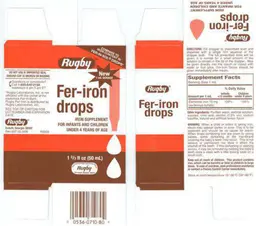
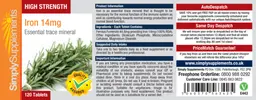
Top-rated Iron products
Ranked by safety score and evidence coverage



Drug–supplement interactions
53 documented interactions
| Drug | Severity | Mechanism | Evidence |
|---|---|---|---|
| Antiretrovirals | Critical | Interaction identified from DDInter 2.0 database. Specific drugs: Dolutegravir, | ddinter-verified |
| Chelators | Critical | Interaction identified from DDInter 2.0 database. Specific drugs: Dimercaprol, D | ddinter-verified |
| Alendronic acid | Moderate | Interaction identified from DDInter 2.0 database. Specific drugs: Alendronic aci | ddinter-verified |
| Aluminum | Moderate | Interaction identified from DDInter 2.0 database. Specific drugs: Aluminum hydro | ddinter-verified |
| Antibiotics | Moderate | Interaction identified from DDInter 2.0 database. Specific drugs: Chloramphenico | ddinter-verified |
| Baloxavir marboxil | Moderate | Interaction identified from DDInter 2.0 database. Specific drugs: Baloxavir marb | ddinter-verified |
| Bisphosphonates | Moderate | Interaction identified from DDInter 2.0 database. Specific drugs: Ibandronate, I | ddinter-verified |
| Calcium carbonate | Moderate | Interaction identified from DDInter 2.0 database. Specific drugs: Calcium carbon | ddinter-verified |
| Cefdinir | Moderate | Interaction identified from DDInter 2.0 database. Specific drugs: Cefdinir | ddinter-verified |
| Chemotherapy | Moderate | Interaction identified from DDInter 2.0 database. Specific drugs: Eltrombopag, E | ddinter-verified |
How it's sold
Data aggregated from 1,040 product labels
Research evidence
Showing top 10 of 566 sources, sorted by quality
Uncertainty remains about the effect of intravenous (i.v.) iron on outcomes for heart failure (HF) with iron deficiency. In the present study, we summarize the efficacy and safety of i.v. iron from six trials (FAIR-HF, CONFIRM-HF, AFFIRM-AH…
BACKGROUND: Anaemia is a condition in which the number of red blood cells is insufficient to meet physiologic needs; it is caused by many conditions, particularly iron deficiency. Traditionally, daily iron supplementation has been a standar…
BACKGROUND: Iron deficiency is a significant cause of deferral in people wishing to donate blood. If iron removed from the body through blood donation is not replaced, then donors may become iron deficient. All donors are screened at each v…
**Garcia-Casal et al., 2021** | Cochrane Database Syst Rev | Meta Analysis Garcia-Casal Maria Nieves, Pasricha Sant-Rayn, ... Peña-Rosas Juan Pablo. Serum or plasma ferritin concentration as an index of iron deficiency and overload. Cochran…
**Best et al., 2018** | Cochrane Database Syst Rev | Meta Analysis Best Lawrence Mj, Takwoingi Yemisi, ... Gurusamy Kurinchi Selvan. Non-invasive diagnostic tests for Helicobacter pylori infection. Cochrane Database Syst Rev. 2018-Mar-15;3(…
**Natale et al., 2022** | Cochrane Database Syst Rev | Meta Analysis Natale Patrizia, Palmer Suetonia C, ... Strippoli Giovanni Fm. Hypoxia-inducible factor stabilisers for the anaemia of chronic kidney disease. Cochrane Database Syst Rev. …
**Field et al., 2021** | Cochrane Database Syst Rev | Meta Analysis Field Martha S, Mithra Prasanna, Peña-Rosas Juan Pablo. Wheat flour fortification with iron and other micronutrients for reducing anaemia and improving iron status in popul…
**Jalal et al., 2023** | Cochrane Database Syst Rev | Meta Analysis Jalal Chowdhury Sb, De-Regil Luz Maria, ... Mithra Prasanna. Fortification of condiments and seasonings with iron for preventing anaemia and improving health. Cochrane Data…
IMPORTANCE: Iron deficiency is the leading cause of anemia during pregnancy. According to survey data from 1999 to 2006, overall estimated prevalence of iron deficiency during pregnancy is near 18% and increases across the 3 trimesters of p…
Iron plays a key role in brain functions like energy metabolism and neurotransmitter synthesis. Yet, iron deficiency (ID) is the most common nutritional deficiency worldwide. Children, adolescents, and menstruating adults are particularly a…
Frequently asked questions
What is iron and what is it primarily used for?
Iron is an essential mineral supplement used primarily to treat and prevent iron deficiency anemia. Research consistently demonstrates its efficacy in increasing hemoglobin levels and improving clinical outcomes in individuals who are deficient.
Does iron help with anemia during pregnancy?
Yes, there is strong evidence that iron supplementation, often combined with folic acid, is highly effective in reducing anemia prevalence and improving maternal and birth outcomes during pregnancy. It is considered a preferred intervention for this population.
Can iron supplements improve symptoms in heart failure patients?
There is moderate evidence that intravenous iron therapy is associated with reduced symptoms and improved quality of life in patients with heart failure and reduced ejection fraction. Oral iron is also used, but delivery methods vary by condition.
Is iron effective for cognitive function in people who are not anemic?
Research on this topic is limited, with weak evidence exploring the impact of supplementation on psychiatric and cognitive outcomes in non-anemic populations. Therefore, it is not currently established as a treatment for cognitive issues in non-deficient individuals.
What are the major drug interactions with iron supplements?
Iron can interact moderately with several medications by forming complexes that reduce absorption. These include fluoroquinolone antibiotics, levodopa, levothyroxine, methyldopa, and penicillamine, potentially reducing their efficacy. You should consult a healthcare provider to manage timing or alternatives.
Who should avoid taking iron supplements or use them with caution?
Individuals with iron overload conditions should avoid iron supplements due to the risk of toxicity. Additionally, those taking medications like levothyroxine or antibiotics should consult a doctor before use to avoid reduced drug absorption. Monitoring serum ferritin is recommended to prevent toxicity.
What is the recommended daily intake of iron for adult men?
According to the IOM 2001 Dietary Reference Intakes, the Recommended Dietary Allowance (RDA) for iron for males aged 19-50 is 8 mg/day. Specific supplemental dose ranges were not detailed in the provided evidence, so professional guidance is advised.