Glutamine
Also known as glutamine powder, glutamine supplement, l-glutamine
Key takeaways
- Glutamine supplementation may improve intestinal permeability in adults (PMID: 39397201).
- Cochrane reviews consistently find insufficient evidence for glutamine's efficacy in reducing morbidity in preterm infants (PMID: 26755330, 22419279).
- Glutamine plays a critical role in maintaining the integrity of the alimentary tract and gut microbiota (PMID: 31652531).
What the research shows
AI-synthesized from 40 peer-reviewed sources · Updated 2025
L-Glutamine is a conditionally essential amino acid critical for gut integrity and immune function. Research indicates potential benefits in clinical settings such as critical illness and gut permeability, though results for athletic performance and neonatal outcomes are mixed or inconclusive.
By condition
Gut Permeability
Moderate
Recent meta-analysis suggests glutamine supplementation can positively impact intestinal permeability in adults.
Critical Illness
Weak
Evidence from large-scale reviews shows inconsistent results regarding the impact of glutamine on mortality and morbidity in critically ill adults.
Preterm Infants
Insufficient
Multiple Cochrane reviews indicate a lack of consistent evidence to support the prevention of morbidity or mortality in preterm infants.
Athletic Performance
Weak
Meta-analysis of clinical trials shows limited conclusive evidence for significant improvements in body composition or athletic performance.
Crohn's Disease
Insufficient
Systematic reviews suggest insufficient evidence to support the induction of remission in Crohn's disease.
Effective doses
Not specifically detailed in the provided abstracts.
Safety & interactions
No specific contraindications provided in the abstracts, though it is noted as a conditionally essential amino acid during metabolic stress.
Limitations
Many studies are underpowered or show conflicting results, particularly in neonatal and critical care settings. There is a need for more standardized dosing and high-quality RCTs for specific gastrointestinal conditions.
Top-rated Glutamine products
Ranked by safety score and evidence coverage
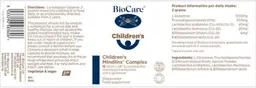
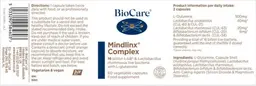



How it's sold
Data aggregated from 254 product labels
Research evidence
Showing top 10 of 40 sources, sorted by quality
BACKGROUND: Glutamine is a non-essential amino acid which is abundant in the healthy human body. There are studies reporting that plasma glutamine levels are reduced in patients with critical illness or following major surgery, suggesting t…
BACKGROUND: Decreased concentration of nitric oxide has been proposed as one of the possible cellular mechanisms of necrotising enterocolitis (NEC). Arginine can act as a substrate for production of nitric oxide in the tissues, and arginine…
BACKGROUND: Crohn's disease is a chronic relapsing condition of the alimentary tract with a high morbidity secondary to bowel inflammation. Glutamine plays a key role in maintaining the integrity of the intestinal mucosa and has been shown …
BACKGROUND: There has been clinical enthusiasm for treating short bowel patients with human recombinant growth hormone and/or glutamine in hopes of reducing parenteral nutrition dependency. It has been more than a decade since Byrne and col…
**Tan et al., 2014** | Cochrane Database Syst Rev | Meta Analysis Tan Hannah B, Danilla Stefan, ... Wasiak Jason. Immunonutrition as an adjuvant therapy for burns. Cochrane Database Syst Rev. 2014;2014(12):CD007174. doi:10.1002/14651858.CD0…
BACKGROUND: Glutamine endogenous biosynthesis may be insufficient for tissue needs in states of metabolic stress. Trials in adults have suggested that glutamine supplementation improves clinical outcomes in critically ill adults. It has bee…
BACKGROUND: Glutamine is a conditionally essential amino acid. Endogenous biosynthesis may be insufficient for tissue needs in states of metabolic stress. Evidence exists that glutamine supplementation improves clinical outcomes in critical…
BACKGROUND: Glutamine is a conditionally essential amino acid. Endogenous biosynthesis may be insufficient for tissue needs in states of metabolic stress. Evidence exists that glutamine supplementation improves clinical outcomes in critical…
BACKGROUND: Endogenous glutamine biosynthesis may be insufficient to meet the needs of people with severe gastrointestinal disease. Results from studies using experimental animal models of gastrointestinal disease have suggested that glutam…
BACKGROUND: Glutamine is a conditionally essential amino acid. Endogenous biosynthesis may be insufficient for tissue needs in states of metabolic stress. Evidence exists that glutamine supplementation improves clinical outcomes in critical…
Frequently asked questions
What is L-Glutamine and what is it used for?
L-Glutamine is a conditionally essential amino acid that plays a critical role in maintaining gut integrity and supporting immune function. It is commonly researched for its potential benefits in clinical settings involving critical illness and gut permeability, though its role as a conditionally essential nutrient increases during metabolic stress.
Does L-Glutamine help with gut permeability?
There is moderate evidence suggesting that L-Glutamine supplementation can positively impact intestinal permeability in adults. Recent meta-analyses indicate potential benefits for gut health, although it is not a cure-all and results may vary by individual.
Does L-Glutamine improve athletic performance or body composition?
Research is mixed on this topic, with weak evidence indicating limited conclusive benefits for athletic performance or body composition. Meta-analyses of clinical trials have not found significant improvements in these areas, so consumers should manage expectations regarding physical performance gains.
Is L-Glutamine effective for treating Crohn's disease?
There is insufficient evidence to support the use of L-Glutamine for inducing remission in Crohn's disease. Systematic reviews have not found consistent data to confirm its efficacy for this specific inflammatory condition.
Is L-Glutamine safe for preterm infants?
Multiple Cochrane reviews indicate insufficient evidence to support the use of L-Glutamine for preventing morbidity or mortality in preterm infants. Due to the lack of consistent evidence, it is not currently recommended for this vulnerable population without further research.
What are the safety concerns and side effects of L-Glutamine?
While no specific contraindications are detailed in the provided abstracts, L-Glutamine is conditionally essential during metabolic stress, implying it may be used therapeutically in critical illness. However, evidence regarding its impact on mortality in critically ill adults is weak and inconsistent. You should consult a healthcare provider before use, especially if you have existing health conditions.
Does L-Glutamine interact with any medications?
No drug interactions have been documented for L-Glutamine in the provided evidence. However, because it affects gut integrity and immune function, individuals on medications should always consult their healthcare provider to ensure safety, particularly given the weak evidence for outcomes in critical illness.