Vitamin C
Also known as ascorbate, ascorbic acid, l-ascorbic acid, sodium ascorbate
Key takeaways
- Vitamin C may reduce pregnancy complications such as pre-eclampsia and maternal anaemia (PMID: 26415762).
- Extensive review of Vitamin C's role in preventing and treating the common cold (PMID: 23440782).
- Investigation into the protective effects of Vitamin C on periodontal health (PMID: 39201285).
What the research shows
AI-synthesized from 371 peer-reviewed sources · Updated 2025
Vitamin C (ascorbic acid) is an essential micronutrient and antioxidant widely studied for its role in immune function and chronic disease prevention. Research indicates varying efficacy across different conditions, with some evidence supporting its role in specific acute settings and pregnancy, while other preventative claims remain controversial.
By condition
Common Cold
Moderate
Vitamin C is frequently used for prevention and treatment, though its impact on incidence is debated.
Pneumonia
Moderate
Multiple meta-analyses have evaluated its role in preventing and treating pneumonia across different populations.
Pregnancy Complications
Moderate
Supplementation may help reduce the risk of pre-eclampsia, intrauterine growth restriction, and maternal anaemia.
Cardiovascular Disease
Weak
Systematic reviews have explored its use for primary prevention, though results are often inconclusive.
Critically Ill Patients
Weak
Research has investigated its utility in critical care, but evidence remains mixed.
Effective doses
Specific dose ranges were not provided in the provided abstracts.
Safety & interactions
Generally safe, but should be used according to dietary guidelines; specific contraindications were not detailed in the provided abstracts.
Limitations
Many studies are meta-analyses of varying quality, and some findings regarding cardiovascular prevention and critical care remain inconclusive.
Dietary Reference Intakes
Source: IOM/NAM · Dietary Reference Intakes: Vitamin C (ascorbic acid)
| Measure | Value | Description |
|---|
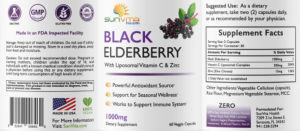
Top-rated Vitamin C products
Ranked by safety score and evidence coverage
Drug–supplement interactions
3 documented interactions
| Drug | Severity | Mechanism | Evidence |
|---|---|---|---|
| Aluminum | Moderate | Vitamin C increases aluminum absorption from antacids and phosphate binders. | well-established |
| Chemotherapy | Moderate | High-dose vitamin C may protect tumor cells from oxidative damage caused by some | inconclusive |
| Warfarin | Minor | High-dose vitamin C may affect warfarin clearance, though evidence is weak. | possible |
How it's sold
Data aggregated from 6,671 product labels
Research evidence
Showing top 10 of 371 sources, sorted by quality
BACKGROUND: Vitamin C supplementation may help reduce the risk of pregnancy complications such as pre-eclampsia, intrauterine growth restriction and maternal anaemia. There is a need to evaluate the efficacy and safety of vitamin C suppleme…
BACKGROUND: Vitamin C is an essential micronutrient and powerful antioxidant. Observational studies have shown an inverse relationship between vitamin C intake and major cardiovascular events and cardiovascular disease (CVD) risk factors. R…
BACKGROUND: Vitamin C (ascorbic acid) for preventing and treating the common cold has been a subject of controversy for 70 years. OBJECTIVES: To find out whether vitamin C reduces the incidence, the duration or severity of the common cold w…
BACKGROUND: Pneumonia is one of the most common serious infections, causing two million deaths annually among young children in low-income countries. In high-income countries pneumonia is most significantly a problem of the elderly. OBJECTI…
**Rumbold et al., 2015** | Cochrane Database Syst Rev | Meta Analysis Rumbold Alice, Ota Erika, ... Crowther Caroline A. Vitamin E supplementation in pregnancy. Cochrane Database Syst Rev. 2015-Sep-07;2015(9):CD004069. doi:10.1002/14651858.…
BACKGROUND: According to the Global Burden of Disease Study 2015, lower respiratory tract infection is the leading cause of infectious disease death, and the fifth most common cause of death overall. Vitamin C has a role in modulating resis…
BACKGROUND: According to the Global Burden of Disease Study 2015, lower respiratory tract infection is the leading cause of infectious disease death, and the fifth most common cause of death overall. Vitamin C has a role in modulating resis…
**Langer et al., 2024** | Cochrane Database Syst Rev | Meta Analysis Langer Gero, Wan Ching Shan, ... Schoberer Daniela. Nutritional interventions for preventing and treating pressure ulcers. Cochrane Database Syst Rev. 2024-Feb-12;2(2):CD0…
**Buzatu et al., 2024** | Int J Mol Sci | Meta Analysis Buzatu Roxana, Luca Magda Mihaela, Bumbu Bogdan Andrei. Does Vitamin C Supplementation Provide a Protective Effect in Periodontal Health? A Systematic Review and Meta-Analysis. Int J M…
**Fu et al., 2021** | BMC Med | Meta Analysis Fu Yuanqing, Xu Fengzhe, ... Zheng Ju-Sheng. Circulating vitamin C concentration and risk of cancers: a Mendelian randomization study. BMC Med. 2021-Jul-30;19(1):171. doi:10.1186/s12916-021-0204…
Frequently asked questions
What is Vitamin C and what are its main health benefits?
Vitamin C (ascorbic acid) is an essential micronutrient and antioxidant widely studied for its role in immune function and chronic disease prevention. Research indicates varying efficacy across different conditions, with moderate evidence supporting its role in preventing pregnancy complications like pre-eclampsia and intrauterine growth restriction, as well as potentially protecting periodontal health.
Does Vitamin C help prevent or treat the common cold?
Vitamin C is frequently used for the prevention and treatment of the common cold, with moderate evidence evaluating its role in this area. However, its impact on the actual incidence of colds remains debated, so while it may offer some benefits, the results are not universally conclusive for everyone.
Can Vitamin C reduce the risk of pneumonia?
There is moderate evidence from multiple meta-analyses evaluating the role of Vitamin C in preventing and treating pneumonia across different populations. While it shows promise, it is not a standalone cure, and individuals with respiratory concerns should consult a healthcare provider for comprehensive care.
Is Vitamin C effective for preventing cardiovascular disease?
Evidence for Vitamin C's role in the primary prevention of cardiovascular disease is currently weak, as systematic reviews have often found results to be inconclusive. Therefore, it should not be relied upon as a primary strategy for heart disease prevention without other proven medical interventions.
What are the recommended daily intake levels for Vitamin C?
According to the IOM 2000 Dietary Reference Intakes, the Recommended Dietary Allowance (RDA) for males aged 19-50 is 90 mg/day. Specific effective dose ranges for therapeutic purposes were not provided in the available evidence, so it is best to follow general dietary guidelines or professional advice.
Are there any drug interactions I should know about with Vitamin C?
Yes, Vitamin C can interact with certain medications. It has a moderate interaction with aluminum-containing antacids, increasing aluminum absorption, and may have a moderate, though inconclusive, effect on chemotherapy efficacy. Additionally, high doses might cause minor changes in INR for those taking Warfarin, so consulting a doctor is essential.
Who should avoid taking Vitamin C supplements or use them with caution?
Individuals taking aluminum-based antacids, chemotherapy drugs, or Warfarin should use Vitamin C with caution due to potential interactions. While generally safe, those with specific medical conditions or on prescription medications should consult a healthcare provider before starting supplementation to ensure safety.