Krill Oil
Also known as antarctic krill oil, krill oil, phospholipid omega
Key takeaways
- Investigation into krill oil's effect on pain in elderly populations (NCT06580912)
- Study on krill oil combined with resistance exercise in older adults (NCT05869513)
- Evaluation of krill oil and alternate day fasting on inflammatory markers in overweight adults (NCT06001632)
What the research shows
AI-synthesized from 6 peer-reviewed sources · Updated 2025
Krill oil is an omega-3 fatty acid supplement derived from krill. Current research explores its effects on inflammatory markers, muscle strength, endothelial function, and specific conditions like premenstrual syndrome and age-related pain.
By condition
Age-related Pain and Muscle Health
Weak
Recent clinical trials have investigated krill oil's impact on pain in elders and its synergy with resistance exercise, though results are not yet fully synthesized.
Metabolic Health and Obesity
Insufficient
Studies are examining krill oil's effect on endothelial function in type 2 diabetes and body composition when combined with alternate day fasting.
Premenstrual Syndrome
Insufficient
A clinical trial was conducted to investigate the efficacy of krill oil in women with PMS, but specific outcomes were not provided in the abstracts.
Effective doses
Not specified in provided abstracts
Safety & interactions
No specific interactions or contraindications were mentioned in the provided source material.
Limitations
The available evidence consists primarily of small-scale clinical trials with limited enrollment sizes, and many results are not yet detailed in the provided abstracts.
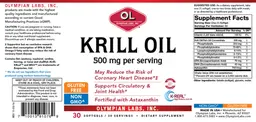
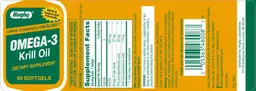
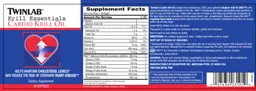
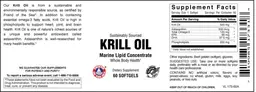
Top-rated Krill Oil products
Ranked by safety score and evidence coverage

How it's sold
Data aggregated from 291 product labels
Research evidence
Showing top 10 of 6 sources, sorted by quality
**NCT ID**: NCT06580912 **Phase**: PHASE2 **Status**: COMPLETED **Enrollment**: 40 **Completion**: 2025-12-17
**NCT ID**: NCT05869513 **Phase**: NA **Status**: COMPLETED **Enrollment**: 60 **Completion**: 2024-02-01
**NCT ID**: NCT06001632 **Phase**: NA **Status**: COMPLETED **Enrollment**: 50 **Completion**: 2025-10-01
**NCT ID**: NCT02053415 **Phase**: NA **Status**: COMPLETED **Enrollment**: 35 **Completion**: 2014-03
**NCT ID**: NCT02091193 **Phase**: **Status**: COMPLETED **Enrollment**: 47 **Completion**: 2013-12
**NCT ID**: NCT06584669 **Phase**: NA **Status**: COMPLETED **Enrollment**: 179 **Completion**: 2013-08-23
Frequently asked questions
What is krill oil and what is it used for?
Krill oil is an omega-3 fatty acid supplement derived from krill. Current research explores its potential effects on inflammatory markers, muscle strength, endothelial function, and conditions like premenstrual syndrome and age-related pain.
Does krill oil help with age-related pain and muscle health?
Evidence for krill oil's impact on pain in elders and its synergy with resistance exercise is currently weak. Recent clinical trials are investigating these effects, but results are not yet fully synthesized, so the evidence is limited.
Is krill oil effective for premenstrual syndrome (PMS)?
There is insufficient evidence to determine if krill oil is effective for PMS. While a clinical trial was conducted to investigate this, specific outcomes were not provided in the available abstracts, so research is mixed and inconclusive.
Does krill oil help with metabolic health or obesity?
Evidence regarding krill oil's effect on body composition and endothelial function in type 2 diabetes is insufficient. Studies are currently examining these areas, but definitive conclusions cannot yet be drawn from the available data.
What is the effective dose of krill oil?
Effective doses are not specified in the provided research abstracts. Consumers should consult a healthcare provider for personalized dosage recommendations, as specific amounts have not been established in the current evidence.
Is krill oil safe to take with other medications?
No specific drug interactions or contraindications were documented in the provided source material. However, individuals on medications should always consult a healthcare provider before starting any new supplement to ensure safety.
Who should avoid taking krill oil?
While no specific contraindications were mentioned, individuals who are pregnant, breastfeeding, or on blood-thinning medications should consult a healthcare provider before use. It is important to seek professional advice to avoid potential risks.