Dandelion
Also known as dandelion extract, dandelion root, taraxacum officinale
Key takeaways
- Dandelion root extract inhibits colorectal cancer proliferation via multiple death signaling pathways (PMID: 27564258).
- Extracts show antitumor effects on pediatric cancer cells and may enhance mistletoe therapy (PMID: 30219442).
- Taraxacum mongolicum extract disrupts interactions between triple-negative breast cancer cells and macrophages (PMID: 40199407).
What the research shows
AI-synthesized from 5 peer-reviewed sources · Updated 2025
Dandelion (Taraxacum species) is a botanical supplement that has been investigated primarily for its potential antitumor properties. Current research focuses on its ability to induce cytotoxicity and inhibit proliferation in various cancer cell lines.
By condition
Cancer (General/In Vitro)
Weak
Preclinical evidence suggests dandelion extracts can induce apoptosis and inhibit growth in breast, colorectal, and pediatric cancer cells.
Effective doses
Not available; studies provided are primarily in vitro or preclinical.
Safety & interactions
No specific safety data or contraindications provided in the source texts.
Limitations
All provided evidence is based on in vitro cell lines or preclinical models; there are no human clinical trials (RCTs) included to confirm efficacy or safety in patients.
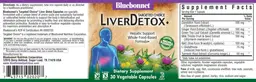
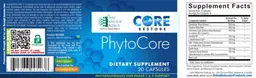
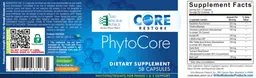
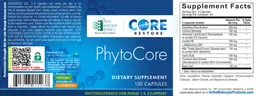
Top-rated Dandelion products
Ranked by safety score and evidence coverage

How it's sold
Data aggregated from 182 product labels
Research evidence
Showing top 10 of 5 sources, sorted by quality
**Menke et al., 2018** | Complement Ther Med | Other Menke K, Schwermer M, ... Zuzak T J. Taraxacum officinale extract shows antitumor effects on pediatric cancer cells and enhance mistletoe therapy. Complement Ther Med. 2018-Oct;40:158-164…
**Li et al., 2025** | J Ethnopharmacol | Other Li Xinrui, Guo Yang, ... Han Shuyan. Taraxacum mongolicum Hand.-Mazz. extract disrupts the interaction between triple-negative breast cancer cells and tumor-associated macrophages by inhibiting…
**Man et al., 2022** | Biomed Chromatogr | Other Man Jin, Wu Longjie, ... Tian Yongmei. Revealing the metabolic mechanism of dandelion extract against A549 cells using UPLC-QTOF MS. Biomed Chromatogr. 2022-Mar;36(3):e5272. doi:10.1002/bmc.5…
**Rezaie et al., 2023** | Sci Rep | Other Rezaie Hamed, Alipanah-Moghadam Reza, ... Nemati Ali. Combined dandelion extract and all-trans retinoic acid induces cytotoxicity in human breast cancer cells. Sci Rep. 2023-Sep-12;13(1):15074. doi:…
**Ovadje et al., 2016** | Oncotarget | Other Ovadje Pamela, Ammar Saleem, ... Pandey Siyaram. Dandelion root extract affects colorectal cancer proliferation and survival through the activation of multiple death signalling pathways. Oncotarg…
Frequently asked questions
What is dandelion and what is it used for?
Dandelion (Taraxacum species) is a botanical supplement primarily investigated for its potential antitumor properties. Current research focuses on its ability to induce cell death and inhibit growth in various cancer cell lines, though these findings are based on preclinical studies rather than human trials.
Does dandelion work for cancer?
Preclinical evidence suggests dandelion extracts can induce apoptosis and inhibit growth in breast, colorectal, and pediatric cancer cells, but the evidence is weak because these studies are primarily in vitro or preclinical. It is not established as an effective treatment for cancer in humans, and you should consult a healthcare provider for medical advice.
What is the effective dose of dandelion?
There is no available effective dose for dandelion because current studies are primarily in vitro or preclinical and do not provide human dosing guidelines. Without clinical data, it is impossible to determine a safe or effective amount for consumers.
Is dandelion safe to take?
The provided evidence does not include specific safety data or contraindications for dandelion. Because safety information is lacking, pregnant individuals, those on medications, or people with health conditions should avoid using it without consulting a healthcare provider.
Does dandelion have any drug interactions?
No drug interactions have been documented for dandelion in the available sources. However, due to the lack of comprehensive safety data, individuals taking other medications should consult a healthcare provider before use.
Who should avoid taking dandelion?
Due to the absence of specific safety data, pregnant individuals, those on medications, and people with known health conditions should avoid taking dandelion. It is important to consult a healthcare provider before starting any new supplement, especially if you are managing a chronic condition.