Chondroitin
Also known as chondroitin sulfate, chondroitin sulphate
Key takeaways
- Combination therapy of glucosamine and chondroitin is frequently evaluated for knee osteoarthritis efficacy (PMID: 35024906, 35924114).
- Some meta-analyses report contradictory results regarding the overall efficacy of chondroitin for osteoarthritis (PMID: 25629804).
- Research has explored the non-inferiority of chondroitin sulfate and glucosamine hydrochloride compared to celecoxib for severe knee pain (PMID: 25589511).
What the research shows
AI-synthesized from 33 peer-reviewed sources · Updated 2025
Chondroitin is a structural component of cartilage used primarily as a supplement for joint health. Research evidence is mixed, with some meta-analyses suggesting symptomatic benefit for osteoarthritis, while others indicate results are contradictory or non-superior to placebo.
By condition
Osteoarthritis
Moderate
Evidence suggests it may provide symptomatic relief for knee osteoarthritis, particularly when combined with glucosamine, though efficacy varies across studies.
Effective doses
Specific dose ranges were not detailed in the provided abstracts, though it is frequently studied in combination with glucosamine.
Safety & interactions
Generally considered safe; however, specific interactions or contraindications were not detailed in the provided study abstracts.
Limitations
Research is limited by contradictory findings across different meta-analyses and a reliance on combination therapies rather than chondroitin alone.
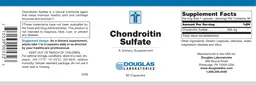
Top-rated Chondroitin products
Ranked by safety score and evidence coverage




Drug–supplement interactions
1 documented interaction
| Drug | Severity | Mechanism | Evidence |
|---|---|---|---|
| Warfarin | Moderate | Chondroitin may potentiate warfarin effect, possibly through mild anticoagulant | possible |
How it's sold
Data aggregated from 87 product labels
Research evidence
Showing top 10 of 33 sources, sorted by quality
BACKGROUND: Osteoarthritis, a common joint disorder, is one of the leading causes of disability. Chondroitin has emerged as a new treatment. Previous meta-analyses have shown contradictory results on the efficacy of chondroitin. This, in ad…
AIMS: Though glucosamine and chondroitin have become common practices for treating knee osteoarthritis, the clinical value of these two drugs in combination are still questionable. To evaluate the efficacy and safety of the combination of g…
BACKGROUND: Glucosamine and chondroitin sulfate are used to treat osteoarthritis. The multicenter, double-blind, placebo- and celecoxib-controlled Glucosamine/chondroitin Arthritis Intervention Trial (GAIT) evaluated their efficacy and safe…
OBJECTIVE: This analysis was aimed at providing evidence-based medicine basis for systematic evaluation of chondroitin combined with glucosamine in the treatment of knee osteoarthritis. METHODS: The randomized controlled trials (RCTs) of ch…
OBJECTIVES: To compare the efficacy and safety of chondroitin sulfate plus glucosamine hydrochloride (CS+GH) versus celecoxib in patients with knee osteoarthritis and severe pain. METHODS: Double-blind Multicentre Osteoarthritis interVEntio…
OBJECTIVE: To assess the symptomatic effectiveness and safety of oral symptomatic slow-acting drugs (SYSADOAs) on the treatment of knee and/or hip osteoarthritis, such as chondroitin, glucosamine, and combination treatment with chondroitin …
Osteoarthritis (OA) is the most prevalent musculoskeletal disease and a major cause of negative relevant outcomes, associated with an ever-increasing societal burden. Pharmaceutical-grade chondroitin sulfate (CS) was repeatedly reported to …
AIM: This study was aimed to assess the efficacy and safety of two oral Symptomatic Slow Acting Drugs for Osteoarthritis (SYSADOAs)-Glucosamine Sulfate, Chondroitin Sulfate, and their combination regimen in the management of knee osteoarthr…
**Kellesarian et al., 2018** | Int J Oral Maxillofac Surg | Meta Analysis Kellesarian S V, Malignaggi V R, ... Javed F. Does incorporating collagen and chondroitin sulfate matrix in implant surfaces enhance osseointegration? A systematic re…
**Simental-Mendía et al., 2018** | Rheumatol Int | Meta Analysis Simental-Mendía Mario, Sánchez-García Adriana, ... Simental-Mendía Luis E. Effect of glucosamine and chondroitin sulfate in symptomatic knee osteoarthritis: a systematic revie…
Frequently asked questions
What is chondroitin and what is it used for?
Chondroitin is a structural component of cartilage primarily used as a dietary supplement for joint health. It is most commonly taken to help manage symptoms of osteoarthritis, particularly in the knees.
Does chondroitin work for knee osteoarthritis?
Research evidence for chondroitin in treating knee osteoarthritis is moderate but mixed. While some studies suggest it may provide symptomatic relief, especially when combined with glucosamine, other meta-analyses report contradictory results or find it no better than a placebo.
What is the effective dose of chondroitin?
The provided evidence does not specify exact effective dose ranges for chondroitin. However, it is frequently studied in combination with glucosamine for joint health, so specific dosing should be determined by a healthcare provider.
Can chondroitin interact with blood thinners like warfarin?
Yes, there is a moderate evidence interaction between chondroitin and warfarin. Chondroitin may potentiate the effect of warfarin due to possible mild anticoagulant properties, which can increase the risk of bleeding or alter INR levels.
Who should avoid taking chondroitin?
Individuals taking blood-thinning medications like warfarin should avoid chondroitin or use it only under strict medical supervision due to interaction risks. Additionally, because specific contraindications are not fully detailed, pregnant or breastfeeding women should consult a healthcare provider before use.
Is chondroitin safe to take long-term?
Chondroitin is generally considered safe for most people, but specific long-term safety data or upper limits are not detailed in the provided evidence. As with any supplement, it is important to consult a healthcare provider to ensure it does not interfere with existing health conditions or medications.