Probiotics
Also known as bifidobacterium, lactobacillus, live cultures, probiotic
Key takeaways
- Probiotics are effective for treating acute infectious diarrhea (PMID: 33295643).
- Evidence supports the use of probiotics for the prevention of Clostridium difficile-associated diarrhea (PMID: 29257353).
- Cochrane reviews found no significant benefit for probiotics in treating eczema (PMID: 30480774).
What the research shows
AI-synthesized from 691 peer-reviewed sources · Updated 2025
Probiotics are live microorganisms administered to provide beneficial physiological effects, primarily by modulating the gut microbiome and immune function. Research indicates a wide range of efficacy across various conditions, with the strongest evidence centered on gastrointestinal health and infectious diarrhea.
By condition
Acute Infectious Diarrhoea
Strong
Meta-analyses support the use of probiotics for treating acute infectious diarrhea.
Ulcerative Colitis
Moderate
Evidence exists regarding the use of probiotics for both the induction and maintenance of remission in ulcerative colitis.
C. difficile-associated Diarrhea
Moderate
Research suggests probiotics may be effective in preventing C. difficile-associated diarrhea in adults and children.
Upper Respiratory Tract Infections
Weak
Systematic reviews show mixed results, with some evidence suggesting prevention but lacking consistent benefit across all trials.
Eczema
Weak
Multiple Cochrane reviews indicate insufficient evidence to support probiotics as an effective treatment for eczema.
Effective doses
Specific dose ranges were not provided in the provided abstracts; efficacy is generally dependent on the specific probiotic strain used.
Safety & interactions
Generally safe for the healthy population, but caution is advised for immunocompromised patients or those with severe gut barrier dysfunction.
Limitations
Research is often limited by high heterogeneity in probiotic strains used and varying dosages across trials. Many reviews highlight a need for more standardized, high-quality RCTs to determine strain-specific efficacy.
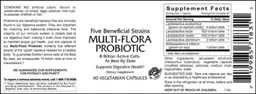
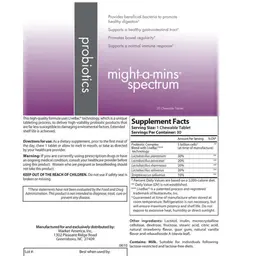
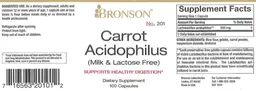
Top-rated Probiotics products
Ranked by safety score and evidence coverage


Drug–supplement interactions
2 documented interactions
| Drug | Severity | Mechanism | Evidence |
|---|---|---|---|
| Immunosuppressants | Moderate | Probiotics contain live organisms that may cause infection in immunocompromised | probable |
| Antibiotics | Minor | Probiotics may reduce antibiotic-associated diarrhea. However, antibiotics may k | well-established |
How it's sold
Data aggregated from 1,993 product labels
Research evidence
Showing top 10 of 691 sources, sorted by quality
BACKGROUND: Probiotics are live micro-organisms that may give a beneficial physiological effect when administered in adequate amounts. Some trials show that probiotic strains can prevent respiratory infections. Even though our previously pu…
BACKGROUND: Probiotics may improve a person's health by regulating their immune function. Some trials have shown that probiotic strains can prevent respiratory infections. Even though the previous version of our review showed benefits of pr…
**Iheozor-Ejiofor et al., 2020** | Cochrane Database Syst Rev | Meta Analysis Iheozor-Ejiofor Zipporah, Kaur Lakhbir, ... Akobeng Anthony K. Probiotics for maintenance of remission in ulcerative colitis. Cochrane Database Syst Rev. 2020-Mar…
**Kaur et al., 2020** | Cochrane Database Syst Rev | Meta Analysis Kaur Lakhbir, Gordon Morris, ... Akobeng Anthony K. Probiotics for induction of remission in ulcerative colitis. Cochrane Database Syst Rev. 2020-Mar-04;3(3):CD005573. doi:1…
BACKGROUND: Probiotics may improve a person's health by regulating their immune function. Some studies show that probiotic strains can prevent respiratory infections. However, no evidence of the benefits of probiotics for acute upper respir…
BACKGROUND: Eczema is a common chronic skin condition. Probiotics have been proposed as an effective treatment for eczema; their use is increasing, as numerous clinical trials are under way. This is an update of a Cochrane Review first publ…
**Collinson et al., 2020** | Cochrane Database Syst Rev | Meta Analysis Collinson Shelui, Deans Andrew, ... Allen Stephen J. Probiotics for treating acute infectious diarrhoea. Cochrane Database Syst Rev. 2020-Dec-08;12(12):CD003048. doi:10…
An emerging body of literature demonstrates differences in the gut microbiome (GMB) of patients with major depressive disorder (MDD) compared to healthy controls (HC), as well as the potential benefits of prebiotic, probiotic, and synbiotic…
**Goldenberg et al., 2017** | Cochrane Database Syst Rev | Meta Analysis Goldenberg Joshua Z, Yap Christina, ... Johnston Bradley C. Probiotics for the prevention of Clostridium difficile-associated diarrhea in adults and children. Cochrane…
**Ong et al., 2019** | Cochrane Database Syst Rev | Meta Analysis Ong Teck Guan, Gordon Morris, ... Akobeng Anthony K. Probiotics to prevent infantile colic. Cochrane Database Syst Rev. 2019-Mar-13;3(3):CD012473. doi:10.1002/14651858.CD0124…
Frequently asked questions
What are probiotics and what do they do?
Probiotics are live microorganisms that provide beneficial physiological effects, primarily by modulating the gut microbiome and immune function. Research indicates a wide range of efficacy across various conditions, with the strongest evidence centered on gastrointestinal health and infectious diarrhea.
Do probiotics work for acute infectious diarrhea?
Yes, there is strong evidence supporting the use of probiotics for treating acute infectious diarrhea, as confirmed by meta-analyses. This is one of the most well-established benefits of probiotic supplementation for gastrointestinal health.
Can probiotics help with ulcerative colitis or C. diff?
There is moderate evidence suggesting probiotics may be effective for both the induction and maintenance of remission in ulcerative colitis. Additionally, research suggests they may help prevent C. difficile-associated diarrhea in adults and children.
Are probiotics effective for preventing colds or eczema?
Evidence for these conditions is limited or weak. For upper respiratory tract infections, systematic reviews show mixed results with no consistent benefit across all trials. For eczema, multiple Cochrane reviews indicate insufficient evidence to support probiotics as an effective treatment.
What is the effective dose of probiotics?
Specific dose ranges were not provided in the available evidence, as efficacy is generally dependent on the specific probiotic strain used. It is best to consult a healthcare provider to determine the appropriate strain and dosage for your specific needs.
Are probiotics safe for everyone?
Probiotics are generally safe for the healthy population, but caution is advised for immunocompromised patients or those with severe gut barrier dysfunction due to the risk of infection. Pregnant individuals should note that evidence for preventing gestational diabetes remains inconclusive.
Do probiotics interact with antibiotics or immunosuppressants?
Probiotics may reduce antibiotic-associated diarrhea, but antibiotics can also kill the probiotic organisms, so timing matters. There is a moderate interaction risk with immunosuppressants because the live organisms may cause infection in immunocompromised patients. Always consult a healthcare provider before combining these.