Lutein
Also known as lutein, lutein ester, lutemax, xanthophyll
Key takeaways
- Oral lutein/zeaxanthin supplements are associated with slowed geographic atrophy progression to the fovea in AMD (PMID: 39025435).
- Lutein and zeaxanthin do not appear to have a significant interaction with CFH or ARMS2 genotypes regarding AMD progression (PMID: 31358387).
- Lutein is present in human milk and infant blood, as evidenced by a systematic review of carotenoid concentrations (PMID: 35389473).
What the research shows
AI-synthesized from 8 peer-reviewed sources · Updated 2025
Lutein is a carotenoid antioxidant primarily studied for its role in ocular health and systemic inflammation. Research suggests it may slow the progression of certain eye diseases and provide anti-inflammatory benefits when combined with other nutrients.
By condition
Age-Related Macular Degeneration (AMD)
Moderate
Lutein and zeaxanthin supplementation may slow the progression of geographic atrophy to the fovea in AMD patients.
Dry Eye Disease (DED)
Weak
Preliminary evidence suggests lutein, zeaxanthin, and elderberries may impact DED and immunity.
Systemic Inflammation
Weak
Combined supplementation with n-3 PUFAs, selenium, vitamin E, and lutein may incite anti-inflammatory conditions in healthy young participants.
Effective doses
Specific dose ranges were not detailed in the provided abstracts.
Safety & interactions
No specific interactions or contraindications were mentioned in the provided abstracts.
Limitations
Many studies are post-hoc analyses or small-scale trials; there is a lack of standardized dosing across the provided research.
Top-rated Lutein products
Ranked by safety score and evidence coverage
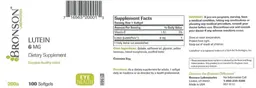
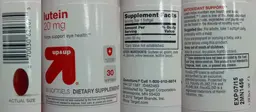
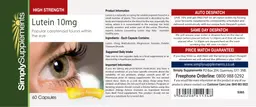
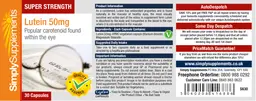
How it's sold
Data aggregated from 121 product labels
Research evidence
Showing top 10 of 8 sources, sorted by quality
**Zaidi et al., 2022** | Nutr Rev | Systematic Review Zaidi Yusuf, Stroh Rachel, Moran Nancy E. Systematic review of carotenoid concentrations in human milk and infant blood. Nutr Rev. 2022-Aug-08;80(9):2029-2050. doi:10.1093/nutrit/nuac018…
PURPOSE: To assess whether genotypes at 2 major loci associated with age-related macular degeneration (AMD), complement factor H (CFH), or age-related maculopathy susceptibility 2 (ARMS2), modify the response to oral nutrients for the treat…
BACKGROUND: Dietary supplementation with compounds that possess antioxidant and anti-inflammatory properties (n-3 polyunsaturated fatty acids (PUFAs), selenium, vitamin E, lutein), has been shown to positively correlate with improvements in…
BACKGROUND/OBJECTIVES: Dry eye disease (DED) significantly impairs quality of life, affecting physical, social, and psychological well-being, as well as reducing workplace productivity. While lutein and zeaxanthin supplements have been show…
PURPOSE: To determine whether oral micronutrient supplementation slows geographic atrophy (GA) progression in age-related macular degeneration (AMD). DESIGN: Post hoc analysis of Age-Related Eye Disease Study (AREDS) and AREDS2, multicenter…
**NCT ID**: NCT01042860 **Phase**: NA **Status**: COMPLETED **Enrollment**: 80 **Completion**: 2009-08
**NCT ID**: NCT00121589 **Phase**: PHASE1 **Status**: COMPLETED **Enrollment**: 40 **Completion**: 2007-08-15
**Source:** [Office of Dietary Supplements, NIH](https://ods.od.nih.gov/factsheets/Lutein-HealthProfessional/) **Reading Level:** Health Professional This fact sheet from the NIH Office of Dietary Supplements provides evidence-based informa…
Frequently asked questions
What is lutein and what is it used for?
Lutein is a carotenoid antioxidant primarily studied for its role in ocular health and reducing systemic inflammation. It is commonly used to support eye health, particularly in slowing the progression of certain eye diseases like age-related macular degeneration.
Does lutein work for age-related macular degeneration (AMD)?
There is moderate evidence suggesting that lutein and zeaxanthin supplementation may slow the progression of geographic atrophy to the fovea in AMD patients. Research indicates that lutein does not appear to have a significant interaction with specific genotypes (CFH or ARMS2) regarding this progression.
Can lutein help with dry eye disease?
Evidence for lutein's effect on dry eye disease is currently weak, with only preliminary data suggesting it may impact the condition when combined with other nutrients like zeaxanthin and elderberries. More robust research is needed to confirm these benefits.
Does lutein reduce inflammation in the body?
There is weak evidence that combined supplementation with lutein, n-3 PUFAs, selenium, and vitamin E may incite anti-inflammatory conditions in healthy young participants. The evidence is limited regarding lutein's standalone anti-inflammatory effects.
What is the effective dose of lutein?
Specific effective dose ranges for lutein were not detailed in the provided research summaries. Consumers should consult a healthcare provider to determine an appropriate dosage, as individual needs may vary.
Is lutein safe to take with other medications?
No specific drug interactions or contraindications for lutein were documented in the provided evidence. However, individuals on medications or with existing health conditions should consult a healthcare provider before starting supplementation to ensure safety.
Who should avoid taking lutein supplements?
While no specific contraindications were listed, pregnant or breastfeeding individuals should exercise caution, as lutein is present in human milk and infant blood, indicating systemic absorption. Anyone considering supplementation should consult a healthcare professional to assess personal suitability.