Omega-3 Fatty Acids
Also known as dha, docosahexaenoic acid, eicosapentaenoic acid, epa
Key takeaways
- Large-scale meta-analyses have evaluated omega-3s for cardiovascular prevention with a total N exceeding 160,000 (PMID: 32114706).
- Cochrane reviews indicate limited efficacy for omega-3s in treating adult depression (PMID: 34817851).
- Omega-3 intake during pregnancy is linked to improved perinatal outcomes (PMID: 30480773).
What the research shows
AI-synthesized from 495 peer-reviewed sources · Updated 2025
Omega-3 fatty acids are polyunsaturated fats found in fish and plant sources, primarily as EPA and DHA. Research extensively investigates their role in cardiovascular health, mood disorders, and cognitive function, though results for primary prevention of heart disease are often mixed.
By condition
Cardiovascular Disease
Moderate
Extensive meta-analyses examine their role in primary and secondary prevention, though efficacy varies across different study populations.
Depression
Weak
Systematic reviews for adults and children suggest limited or inconclusive evidence for the treatment of major depressive disorder.
Pregnancy
Moderate
Supplementation is associated with potential improvements in perinatal outcomes and gestation length.
Dementia/Cognition
Weak
Evidence for improving brain function or slowing the progression of dementia is generally insufficient.
Effective doses
Specific dose ranges were not provided in the provided abstracts.
Safety & interactions
No specific safety warnings or contraindications were detailed in the provided abstracts.
Limitations
Many studies are large-scale meta-analyses, but there is a need for more consistent results across diverse populations, particularly for mood and cognitive disorders.
Dietary Reference Intakes
Source: IOM/NAM · Dietary Reference Intakes: Omega-3 Fatty Acids (EPA + DHA)
| Measure | Value | Description |
|---|
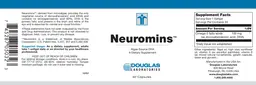
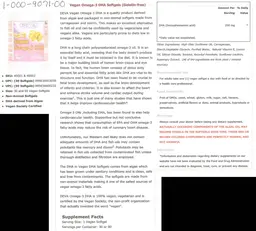
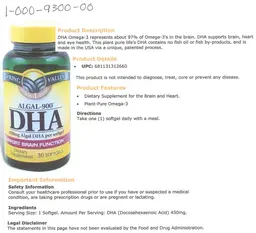
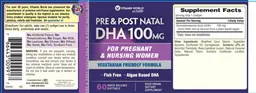
Top-rated Omega-3 Fatty Acids products
Ranked by safety score and evidence coverage

Drug–supplement interactions
3 documented interactions
| Drug | Severity | Mechanism | Evidence |
|---|---|---|---|
| Warfarin | Moderate | High-dose omega-3 may reduce platelet aggregation, potentially additive with war | possible |
| Antihypertensives | Minor | Omega-3 may have mild blood pressure-lowering effects, potentially additive with | possible |
| Antiplatelet Drugs | Minor | Omega-3 fatty acids at high doses may slightly increase bleeding time. | possible |
How it's sold
Data aggregated from 2,107 product labels
Research evidence
Showing top 10 of 495 sources, sorted by quality
BACKGROUND: Researchers have suggested that omega-3 polyunsaturated fatty acids from oily fish (long-chain omega-3 (LCn3), including eicosapentaenoic acid (EPA) and docosahexaenoic acid (DHA)), as well as from plants (alpha-linolenic acid (…
BACKGROUND: Omega-3 polyunsaturated fatty acids from oily fish (long-chain omega-3 (LCn3)), including eicosapentaenoic acid (EPA) and docosahexaenoic acid (DHA)), as well as from plants (alpha-linolenic acid (ALA)) may benefit cardiovascula…
BACKGROUND: Higher intakes of foods containing omega-3 long-chain polyunsaturated fatty acids (LCPUFA), such as fish, during pregnancy have been associated with longer gestations and improved perinatal outcomes. This is an update of a revie…
BACKGROUND: Major depressive disorder (MDD) is highly debilitating, difficult to treat, has a high rate of recurrence, and negatively impacts the individual and society as a whole. One potential treatment for MDD is n-3 polyunsaturated fatt…
**Abdelhamid et al., 2018** | Cochrane Database Syst Rev | Meta Analysis Abdelhamid Asmaa S, Brown Tracey J, ... Hooper Lee. Omega-3 fatty acids for the primary and secondary prevention of cardiovascular disease. Cochrane Database Syst Rev.…
**Tunnicliffe et al., 2024** | Cochrane Database Syst Rev | Meta Analysis Tunnicliffe David J, Reid Sharon, ... Strippoli Giovanni Fm. Non-immunosuppressive treatment for IgA nephropathy. Cochrane Database Syst Rev. 2024-Feb-01;2(2):CD00396…
BACKGROUND: Mental health disorders including major depressive disorder (MDD) are well recognized as major contributors to the global burden of disease among adolescents. The prevalence of adolescent depression is estimated to have increase…
**Payne et al., 2012** | Cochrane Database Syst Rev | Meta Analysis Payne Cathy, Wiffen Philip J, Martin Suzanne. Interventions for fatigue and weight loss in adults with advanced progressive illness. Cochrane Database Syst Rev. 2012-Jan-18…
**Saragiotto et al., 2016** | Cochrane Database Syst Rev | Meta Analysis Saragiotto Bruno T, Maher Christopher G, ... Macedo Luciana G. Motor control exercise for chronic non-specific low-back pain. Cochrane Database Syst Rev. 2016-Jan-08;2…
**Abdelhamid et al., 2018** | Cochrane Database Syst Rev | Meta Analysis Abdelhamid Asmaa S, Martin Nicole, ... Hooper Lee. Polyunsaturated fatty acids for the primary and secondary prevention of cardiovascular disease. Cochrane Database Sy…
Frequently asked questions
What are Omega-3 fatty acids and what are they used for?
Omega-3 fatty acids are polyunsaturated fats found in fish and plant sources, primarily EPA and DHA. Research extensively investigates their role in cardiovascular health, mood disorders, and cognitive function, though results for primary prevention of heart disease are often mixed.
Does Omega-3 help with heart disease prevention?
There is moderate evidence regarding Omega-3s for cardiovascular disease, with extensive meta-analyses evaluating their role in primary and secondary prevention. However, efficacy varies across different study populations, and large-scale reviews have shown mixed results for primary prevention.
Is Omega-3 effective for treating depression?
The evidence for using Omega-3s to treat major depressive disorder is weak. Systematic reviews for both adults and children suggest limited or inconclusive evidence for its efficacy in treating this condition.
Is Omega-3 safe during pregnancy?
There is moderate evidence suggesting that Omega-3 intake during pregnancy is associated with potential improvements in perinatal outcomes and gestation length. Pregnant individuals should consult a healthcare provider to determine if supplementation is appropriate for their specific needs.
Does Omega-3 improve dementia or cognitive function?
The evidence for Omega-3s improving brain function or slowing the progression of dementia is weak and generally insufficient. Current research does not strongly support its use for enhancing cognition or treating dementia.
What is the recommended daily dose of Omega-3?
No official Dietary Reference Intake (DRI) has been established for Omega-3s. However, the American Heart Association recommends 250-500 mg of EPA and DHA per day for general health.
What are the safety risks and drug interactions for Omega-3?
Omega-3s may interact with medications, particularly those affecting blood pressure and clotting. High doses may slightly increase bleeding time, posing a moderate risk for those on Warfarin and a minor risk for those on antiplatelet drugs. Individuals on antihypertensives should be aware of potential additive blood pressure-lowering effects.
Who should avoid taking Omega-3 supplements?
Individuals taking blood-thinning medications like Warfarin or antiplatelet drugs should exercise caution due to potential increased bleeding risks. Those on antihypertensive medications should monitor their blood pressure closely. Always consult a healthcare provider before starting supplementation, especially if you have existing health conditions.