Biotin
Also known as d-biotin, vitamin b7, vitamin h
Key takeaways
- Biotin may improve glycemic control and lipid profiles in type 2 diabetes patients (PMID: 36386951).
- Combination of chromium picolinate and biotin reduces the atherogenic index of plasma in type 2 diabetes (PMID: 17496732).
- Biotin can cause significant interference in clinical immunoassays, leading to factitious laboratory results for thyroid and cardiac markers (PMID: 27362288, PMID: 33554552).
What the research shows
AI-synthesized from 31 peer-reviewed sources · Updated 2025
Biotin (Vitamin B7) is a water-soluble vitamin that acts as a coenzyme in energy production. Research indicates potential applications in glycemic control for diabetes and neurological support, though evidence for several high-profile uses remains mixed or limited.
By condition
Type 2 Diabetes
Moderate
Biotin supplementation may positively influence glycemic control and lipid profiles in patients with type 2 diabetes.
Multiple Sclerosis
Weak
High-dose biotin has been studied for MS, but systematic reviews of RCTs show inconsistent results regarding its efficacy.
Depression
Insufficient
Preliminary RCT data explores biotin combined with probiotics for mood, but evidence is not yet conclusive.
Effective doses
Specific dose ranges were not detailed in the provided abstracts, though high-dose protocols are mentioned for MS.
Safety & interactions
Biotin can interfere with various laboratory tests (e.g., troponin and thyroid assays), potentially leading to incorrect medical diagnoses.
Limitations
Much of the evidence is derived from meta-analyses of small sample sizes or case reports, and there is a lack of consistent, large-scale RCTs for neurological conditions.
Dietary Reference Intakes
Source: IOM/NAM · Dietary Reference Intakes: Biotin (Vitamin B7)
| Measure | Value | Description |
|---|
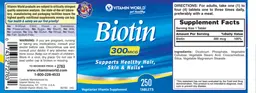
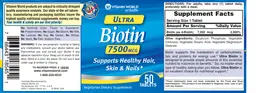
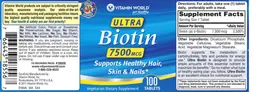
Top-rated Biotin products
Ranked by safety score and evidence coverage


How it's sold
Data aggregated from 654 product labels
Research evidence
Showing top 10 of 31 sources, sorted by quality
**Brandao et al., 2017** | Cochrane Database Syst Rev | Meta Analysis Brandao Gustavo Ms, Junqueira Daniela R, ... Sobreira Marcone L. Pentasaccharides for the treatment of deep vein thrombosis. Cochrane Database Syst Rev. 2017-Dec-02;12(12…
**Sui et al., 2023** | J Clin Neurosci | Meta Analysis Sui Zichao, Zhu Haoxiang, ... Zheng Qingshan. Quantitative comparison of the efficacy of clinical drug treatments for primary progressive multiple sclerosis. J Clin Neurosci. 2023-Jul;1…
**Parks et al., 2020** | Cochrane Database Syst Rev | Meta Analysis Parks Natalie E, Jackson-Tarlton Caitlin S, ... Johnston Bradley C. Dietary interventions for multiple sclerosis-related outcomes. Cochrane Database Syst Rev. 2020-May-19;5…
**Victoire et al., 2019** | Cochrane Database Syst Rev | Meta Analysis Victoire Anousha, Magin Parker, ... van Driel Mieke L. Interventions for infantile seborrhoeic dermatitis (including cradle cap). Cochrane Database Syst Rev. 2019-Mar-04…
**Lira et al., 2021** | Fertil Steril | Meta Analysis Lira Neto Filipe Tenório, Roque Matheus, Esteves Sandro C. Effect of varicocelectomy on sperm deoxyribonucleic acid fragmentation rates in infertile men with clinical varicocele: a syste…
**Lean et al., 2011** | J Dairy Sci | Meta Analysis Lean I J, Rabiee A R. Effect of feeding biotin on milk production and hoof health in lactating dairy cows: a quantitative assessment. J Dairy Sci. 2011-Mar;94(3):1465-76. doi:10.3168/jds.2…
**Elston et al., 2016** | J Clin Endocrinol Metab | Systematic Review Elston Marianne S, Sehgal Shekhar, ... Conaglen John V. Factitious Graves' Disease Due to Biotin Immunoassay Interference-A Case and Review of the Literature. J Clin Endo…
**Chen et al., 2011** | J Dairy Sci | Meta Analysis Chen B, Wang C, ... Liu J X. Effect of biotin on milk performance of dairy cattle: a meta-analysis. J Dairy Sci. 2011-Jul;94(7):3537-46. doi:10.3168/jds.2010-3764 A meta-analysis of the ef…
Gut microbiota are suspected to affect brain functions and behavior as well as lowering inflammation status. Therefore, an effect on depression has already been suggested by recent research. The aim of this randomized double-blind controlle…
**Espiritu et al., 2021** | Mult Scler Relat Disord | Meta Analysis Espiritu Adrian I, Remalante-Rayco Patricia Pauline M. High-dose biotin for multiple sclerosis: A systematic review and meta-analyses of randomized controlled trials. Mult …
Frequently asked questions
What is biotin and what is it used for?
Biotin, also known as Vitamin B7, is a water-soluble vitamin that acts as a coenzyme in energy production. While it is often marketed for hair and nail health, research indicates potential applications in glycemic control for diabetes and neurological support, though evidence for other high-profile uses remains mixed or limited.
Does biotin help with type 2 diabetes?
There is moderate evidence suggesting that biotin supplementation may positively influence glycemic control and lipid profiles in patients with type 2 diabetes. Some studies also indicate that combining biotin with chromium picolinate can reduce the atherogenic index of plasma in these patients.
Is biotin effective for treating multiple sclerosis?
Evidence for using high-dose biotin in multiple sclerosis is currently weak. Although it has been studied for this condition, systematic reviews of randomized controlled trials show inconsistent results regarding its efficacy, meaning the research is mixed.
Can biotin interfere with medical lab tests?
Yes, biotin can significantly interfere with various laboratory tests, including troponin and thyroid assays, potentially leading to incorrect medical diagnoses. Because of this risk, it is crucial to inform healthcare providers about any biotin supplementation before undergoing blood work.
What is the recommended daily dose of biotin?
The Adequate Intake (AI) for adults is 30 mcg per day according to the Institute of Medicine. While high-dose protocols are mentioned for specific conditions like multiple sclerosis, specific effective dose ranges for general supplementation were not detailed in the provided evidence.
Who should avoid taking biotin supplements?
Individuals who are scheduled for laboratory tests, particularly cardiac or thyroid assays, should avoid biotin until cleared by a doctor to prevent false results. Additionally, because evidence for mood benefits is insufficient and safety profiles vary, pregnant individuals or those on other medications should consult a healthcare provider before use.
Does biotin interact with other medications?
No drug interactions have been documented for biotin in the provided evidence. However, due to its potential to cause significant interference in clinical immunoassays, it is important to discuss its use with a healthcare provider to ensure accurate medical monitoring.