Calcium
Also known as ca, calcium carbonate, calcium citrate, calcium ion
Key takeaways
- Calcium supplementation may reduce the risk of pre-eclampsia and related maternal morbidity (PMID: 41330480).
- Calcium and vitamin D are utilized to increase bone mineral density in premenopausal women (PMID: 36705288).
- Calcium supplementation commenced before pregnancy may also prevent hypertensive disorders (PMID: 40965861).
What the research shows
AI-synthesized from 511 peer-reviewed sources · Updated 2025
Calcium is an essential mineral supplement used primarily for bone health and the prevention of hypertensive disorders during pregnancy. Research indicates significant benefits for maternal health and bone density, though results for fracture prevention in older adults are mixed.
By condition
Hypertensive disorders of pregnancy
Strong
Calcium supplementation may reduce the risk of developing pre-eclampsia and related hypertensive disorders in pregnant women.
Bone mineral density (premenopausal women)
Moderate
Combination of calcium and vitamin D is used to increase bone mineral density in premenopausal women to prevent osteoporosis.
Fracture prevention (older adults)
Weak
Meta-analyses show mixed results regarding the effectiveness of calcium and vitamin D in reducing fracture incidence in community-dwelling older adults.
Colorectal cancer and polyps
Insufficient
Systematic reviews have investigated dietary calcium for preventing colorectal cancer and adenomatous polyps with inconclusive results.
Cognitive function
Insufficient
Evidence suggests that mineral supplementation, including calcium, does not significantly maintain cognitive function in healthy adults.
Effective doses
Specific dose ranges were not provided in the provided abstracts.
Safety & interactions
Caution is advised regarding the use of calcium-based phosphate binders in patients with chronic kidney disease (CKD-MBD) to manage serum phosphate levels.
Limitations
There is a lack of consensus on the efficacy of calcium for fracture prevention in older adults and its role in preventing colorectal cancer.
Dietary Reference Intakes
Source: IOM/NAM · Dietary Reference Intakes: Calcium
| Measure | Value | Description |
|---|
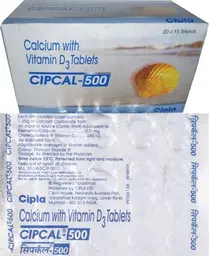
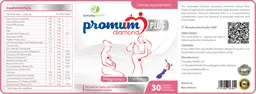
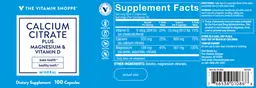
Top-rated Calcium products
Ranked by safety score and evidence coverage


Drug–supplement interactions
5 documented interactions
| Drug | Severity | Mechanism | Evidence |
|---|---|---|---|
| Bisphosphonates | Moderate | Calcium interferes with bisphosphonate absorption when taken simultaneously. | well-established |
| Fluoroquinolones | Moderate | Calcium chelates fluoroquinolone antibiotics, reducing absorption. | well-established |
| Levothyroxine | Moderate | Calcium forms insoluble complexes with levothyroxine, reducing absorption. | well-established |
| Quinolones | Moderate | Calcium chelates quinolone antibiotics, reducing absorption. | well-established |
| Tetracyclines | Moderate | Calcium chelates tetracycline antibiotics, forming insoluble complexes that redu | well-established |
How it's sold
Data aggregated from 273 product labels
Research evidence
Showing top 10 of 511 sources, sorted by quality
BACKGROUND: Phosphate binders are used to reduce positive phosphate balance and to lower serum phosphate levels for people with chronic kidney disease (CKD) with the aim to prevent progression of chronic kidney disease-mineral and bone diso…
BACKGROUND: Maternal nutrition during pregnancy is known to have an effect on fetal growth and development. It is recommended that women increase their calcium intake during pregnancy and lactation, although the recommended dosage varies am…
BACKGROUND: Maternal nutrition during pregnancy is known to have an effect on fetal growth and development. It is recommended that women increase their calcium intake during pregnancy and lactation, although the recommended dosage varies am…
BACKGROUND: Vitamins and minerals play multiple functions within the central nervous system which may help to maintain brain health and optimal cognitive functioning. Supplementation of the diet with various vitamins and minerals has been s…
RATIONALE: Calcium supplementation may reduce the risk of developing pre-eclampsia, a common cause of serious maternal and neonatal morbidity and death. However, its effectiveness in preventing hypertensive disorders of pregnancy is uncerta…
**Wright et al., 2018** | Cochrane Database Syst Rev | Meta Analysis Wright James M, Musini Vijaya M, Gill Rupam. First-line drugs for hypertension. Cochrane Database Syst Rev. 2018-Apr-18;4(4):CD001841. doi:10.1002/14651858.CD001841.pub3 B…
BACKGROUND: Several dietary factors have been considered to be involved in the increasing incidence of colorectal cancer in industrialised countries. Experimental and epidemiological evidence has been suggestive but not conclusive for a pro…
BACKGROUND: Osteoporosis is a condition where bones become fragile due to low bone density and impaired bone quality. This results in fractures that lead to higher morbidity and reduced quality of life. Osteoporosis is considered a major pu…
**Wiysonge et al., 2017** | Cochrane Database Syst Rev | Meta Analysis Wiysonge Charles S, Bradley Hazel A, ... Opie Lionel H. Beta-blockers for hypertension. Cochrane Database Syst Rev. 2017-Jan-20;1(1):CD002003. doi:10.1002/14651858.CD002…
**Zhu et al., 2021** | Cochrane Database Syst Rev | Systematic Review Zhu Jiaying, Chen Ning, ... He Li. Calcium channel blockers versus other classes of drugs for hypertension. Cochrane Database Syst Rev. 2021-Oct-17;10(10):CD003654. doi:1…
Frequently asked questions
What is calcium and what are its main health benefits?
Calcium is an essential mineral primarily used to support bone health and prevent hypertensive disorders during pregnancy. Research shows strong evidence that it may reduce the risk of pre-eclampsia in pregnant women, while moderate evidence supports its use with vitamin D to increase bone mineral density in premenopausal women.
Does calcium help prevent fractures in older adults?
Research on this is mixed, with weak evidence indicating that calcium and vitamin D supplementation may not consistently reduce fracture incidence in community-dwelling older adults. Because the evidence is limited and results vary, it is important to consult a healthcare provider to determine if this is appropriate for your specific bone health needs.
Can calcium prevent colorectal cancer or polyps?
Current evidence is insufficient to confirm that calcium prevents colorectal cancer or adenomatous polyps. Systematic reviews have investigated this potential benefit but have found inconclusive results, so it should not be relied upon as a preventive measure for these conditions.
Does calcium improve cognitive function in healthy adults?
Evidence suggests that mineral supplementation, including calcium, does not significantly maintain or improve cognitive function in healthy adults. Research indicates insufficient evidence to support claims that calcium aids in preserving brain health or memory in this population.
What are the major drug interactions with calcium supplements?
Calcium can interfere with the absorption of several medications, including bisphosphonates, fluoroquinolones, quinolones, tetracyclines, and levothyroxine. These interactions are well-established and moderate in severity, so you should consult your healthcare provider to manage timing or avoid taking these drugs simultaneously.
Who should avoid calcium supplements or use them with caution?
Patients with chronic kidney disease (CKD-MBD) should use calcium-based phosphate binders with caution to manage serum phosphate levels safely. Additionally, individuals taking medications that interact with calcium, such as thyroid hormones or certain antibiotics, must consult a healthcare provider to prevent reduced drug absorption.
What is the recommended daily intake of calcium?
According to the IOM 2011 Dietary Reference Intakes, the Recommended Dietary Allowance (RDA) for males aged 19-70 is 1000 mg per day. Specific effective dose ranges for supplementation were not provided in the available research summaries, so individual needs may vary.