Iodine
Also known as i, iodide, kelp iodine, potassium iodide
Key takeaways
- Iodine fortification of foods and condiments is effective for preventing iodine deficiency disorders (PMID: 30746700).
- Radioiodine remnant ablation is used for differentiated thyroid cancer, though long-term breast cancer risk is monitored (PMID: 33792650, PMID: 34820683).
- Povidone-iodine is a standard antiseptic for catheter-related infection prevention, though compared with chlorhexidine (PMID: 41678192).
What the research shows
AI-synthesized from 292 peer-reviewed sources · Updated 2025
Iodine is an essential micronutrient used both as a dietary supplement and in various clinical forms (topical antiseptics and radioactive isotopes). Research indicates it is critical for preventing deficiency disorders and is widely used in surgical antisepsis and thyroid cancer treatment.
By condition
Iodine Deficiency Disorders
Strong
Food fortification with iodine is effective in preventing iodine deficiency disorders in the general population.
Preterm Infant Neurodevelopment
Moderate
Supplementation is studied for preventing mortality and adverse neurodevelopmental outcomes in preterm infants.
Differentiated Thyroid Cancer
Strong
Radioiodine remnant ablation is an established treatment for differentiated thyroid cancer.
Surgical/Catheter Infections
Moderate
Povidone-iodine is used as a skin antiseptic, though it is often compared against chlorhexidine for efficacy in reducing catheter-related infections.
Effective doses
Specific oral dosage ranges for supplementation were not provided in the provided abstracts; however, efficacy is noted via food fortification and clinical radioactive iodine protocols.
Safety & interactions
Radioactive iodine therapy requires monitoring for potential long-term cancer risks; excessive iodine intake can interfere with thyroid function.
Limitations
The provided evidence is heavily weighted toward clinical/surgical applications (antiseptics and radiotherapy) rather than dietary supplementation dosages for the general population.
Dietary Reference Intakes
Source: IOM/NAM · Dietary Reference Intakes: Iodine
| Measure | Value | Description |
|---|
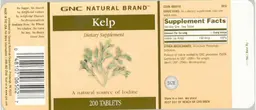
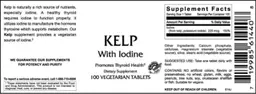
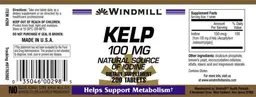
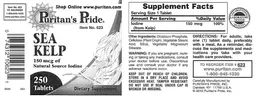
Top-rated Iodine products
Ranked by safety score and evidence coverage
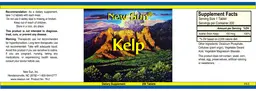
Drug–supplement interactions
5 documented interactions
| Drug | Severity | Mechanism | Evidence |
|---|---|---|---|
| Antithyroid Drugs | Moderate | Iodine supplementation directly counteracts antithyroid drugs (methimazole, PTU) | well-established |
| Iodide I-123 | Moderate | Interaction identified from DDInter 2.0 database. Specific drugs: Iodide I-123 | ddinter-verified |
| Iodide I-131 | Moderate | Interaction identified from DDInter 2.0 database. Specific drugs: Iodide I-131 | ddinter-verified |
| Levothyroxine | Moderate | Excess iodine can paradoxically inhibit thyroid hormone synthesis (Wolff-Chaikof | well-established |
| Lithium carbonate | Moderate | Interaction identified from DDInter 2.0 database. Specific drugs: Lithium carbon | ddinter-verified |
How it's sold
Data aggregated from 354 product labels
Research evidence
Showing top 10 of 292 sources, sorted by quality
**Imdad et al., 2026** | Cochrane Database Syst Rev | Meta Analysis Imdad Aamer, Medina Melissa, ... Bhutta Zulfiqar A. Umbilical cord antiseptics for preventing sepsis and death among newborns. Cochrane Database Syst Rev. 2026-Mar-26;3(3):…
**Das et al., 2019** | Cochrane Database Syst Rev | Meta Analysis Das Jai K, Salam Rehana A, ... Bhutta Zulfiqar A. Food fortification with multiple micronutrients: impact on health outcomes in general population. Cochrane Database Syst Rev…
**van et al., 2017** | Cochrane Database Syst Rev | Meta Analysis van der Wouden Johannes C, van der Sande Renske, ... Koning Sander. Interventions for cutaneous molluscum contagiosum. Cochrane Database Syst Rev. 2017-May-17;5(5):CD004767. …
**Drugeon et al., 2026** | JAMA Netw Open | Meta Analysis Drugeon Bertrand, Mihala Gabor, ... Mimoz Olivier. Chlorhexidine vs Povidone-Iodine and Incidence of Catheter-Related Infections: A Systematic Review and Meta-Analysis. JAMA Netw Ope…
**James et al., 2021** | JAMA Otolaryngol Head Neck Surg | Meta Analysis James Danielle L, Ryan Éanna J, ... Kerin Michael J. Radioiodine Remnant Ablation for Differentiated Thyroid Cancer: A Systematic Review and Meta-analysis. JAMA Otolar…
PURPOSE: Although it has been proven that radioactive iodine (RAI) treatment is an effective and well-tolerated procedure in patients with differentiated thyroid cancer (DTC), there is still some concern regarding the risk of developing a s…
**Unknown et al., 2022** | Lancet Infect Dis | Meta Analysis . Alcoholic chlorhexidine skin preparation or triclosan-coated sutures to reduce surgical site infection: a systematic review and meta-analysis of high-quality randomised controll…
**Shi et al., 2013** | Cochrane Database Syst Rev | Meta Analysis Shi Zongdao, Xie Huixu, ... Furness Susan. Oral hygiene care for critically ill patients to prevent ventilator-associated pneumonia. Cochrane Database Syst Rev. 2013-Aug-13(8…
**Eekhof et al., 2012** | Cochrane Database Syst Rev | Meta Analysis Eekhof Just A H, Van Wijk Bart, ... van der Wouden Johannes C. Interventions for ingrowing toenails. Cochrane Database Syst Rev. 2012-Apr-18;2012(4):CD001541. doi:10.1002/…
**Clive et al., 2016** | Cochrane Database Syst Rev | Systematic Review Clive Amelia O, Jones Hayley E, ... Maskell Nick. Interventions for the management of malignant pleural effusions: a network meta-analysis. Cochrane Database Syst Rev. …
Frequently asked questions
What is iodine and why is it important?
Iodine is an essential micronutrient critical for preventing deficiency disorders and supporting thyroid function. Research shows strong evidence that food fortification with iodine effectively prevents these deficiencies in the general population. It is also used clinically in various forms, including topical antiseptics and radioactive isotopes for medical treatments.
What is the recommended daily intake of iodine for adults?
According to Dietary Reference Intakes from the IOM, the Recommended Dietary Allowance (RDA) for adults is 150 mcg/day. While specific oral dosage ranges for supplementation were not provided in the evidence summary, meeting this RDA through diet or fortified foods is the standard guideline for maintaining adequate levels.
Does iodine help prevent iodine deficiency disorders?
Yes, there is strong evidence that food fortification with iodine is effective in preventing iodine deficiency disorders in the general population. This approach is widely recognized as a successful public health strategy to ensure adequate intake and prevent related health issues.
Is iodine used to treat thyroid cancer?
Yes, there is strong evidence that radioiodine remnant ablation is an established treatment for differentiated thyroid cancer. However, patients undergoing this therapy require monitoring for potential long-term risks, such as an increased risk of breast cancer, as noted in clinical research.
Can iodine interact with my thyroid medications?
Yes, iodine has well-established moderate-severity interactions with antithyroid drugs like methimazole and PTU, as supplementation can directly counteract their effects. It also interacts with levothyroxine, where excess iodine can paradoxically inhibit thyroid hormone synthesis via the Wolff-Chaikoff effect. People on these medications should consult a healthcare provider before supplementing.
Is povidone-iodine effective for preventing infections?
There is moderate evidence that povidone-iodine is used as a skin antiseptic to help prevent catheter-related infections. However, research indicates its efficacy is often compared against chlorhexidine, suggesting that while it is a standard option, it may not always be superior to other antiseptics for this specific purpose.
Who should avoid taking iodine supplements?
Individuals taking antithyroid drugs or levothyroxine should avoid iodine supplements without medical supervision due to significant drug interactions. Additionally, excessive iodine intake can interfere with thyroid function, and those with pre-existing thyroid conditions should consult a healthcare provider to monitor for adverse effects.