Lavender
Also known as english lavender, lavandula, lavandula angustifolia, true lavender
Key takeaways
- A meta-analysis of 7,993 participants found lavender significantly effective in reducing anxiety (PMID: 31655395).
- Lavender inhalation improved sleep quality and reduced anxiety in patients undergoing chemotherapy (PMID: 29547610).
- Aromatherapy with lavender oil effectively reduced pain and anxiety levels following C-section surgeries (PMID: 39400653).
What the research shows
AI-synthesized from 23 peer-reviewed sources · Updated 2025
Lavender is an aromatic botanical used primarily via inhalation or topical application for its calming and analgesic properties. Research generally indicates that it is effective in reducing anxiety, improving sleep quality, and mitigating perioperative stress across various clinical settings.
By condition
Anxiety
Strong
Multiple meta-analyses and RCTs demonstrate significant reductions in anxiety across general, clinical, and perioperative populations.
Sleep Quality
Moderate
Evidence suggests improvements in sleep quality for chemotherapy patients, postmenopausal women with insomnia, and individuals without insomnia.
Pain Management
Moderate
Lavender aromatherapy is associated with reduced pain and stress following C-sections, dental procedures, and vascular access.
Nausea
Weak
Preliminary evidence suggests it may reduce the severity of postoperative nausea after oral surgery.
Effective doses
Specific dosage amounts are not standardized across the provided RCTs, as administration varied between inhalation aromatherapy and topical application.
Safety & interactions
Generally well-tolerated; however, users should be cautious of potential skin irritation with topical use and possible interactions with sedative medications.
Limitations
Many studies have small sample sizes (e.g., N=35 to N=70) and vary widely in administration methods, making it difficult to establish a standardized clinical dose.
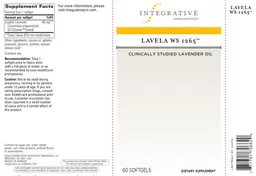
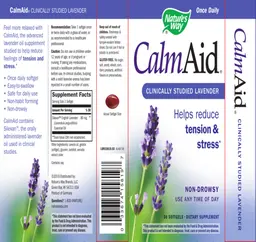
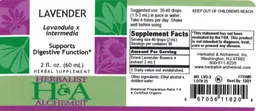
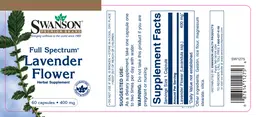
Top-rated Lavender products
Ranked by safety score and evidence coverage
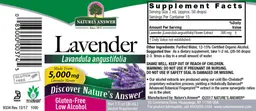
How it's sold
Data aggregated from 94 product labels
Research evidence
Showing top 10 of 23 sources, sorted by quality
**Donelli et al., 2019** | Phytomedicine | Meta Analysis Donelli Davide, Antonelli Michele, ... Firenzuoli Fabio. Effects of lavender on anxiety: A systematic review and meta-analysis. Phytomedicine. 2019-Dec;65:153099. doi:10.1016/j.phymed…
BACKGROUND: Considering the prevalence of mental health problems in older adults, this study aims to investigate the effect of inhalation aromatherapy using lavender and chamomile essential oils on depression, anxiety, and stress of communi…
**Kim et al., 2021** | Asian Nurs Res (Korean Soc Nurs Sci) | Meta Analysis Kim Myoungsuk, Nam Eun Sook, ... Kang Hyun-Ju. Effects of Lavender on Anxiety, Depression, and Physiological Parameters: Systematic Review and Meta-Analysis. Asian …
**Ozkaraman et al., 2018** | Clin J Oncol Nurs | Rct Ozkaraman Ayse, Dügüm Özlem, ... Usta Yesilbalkan Öznur. Aromatherapy: The Effect of Lavender on Anxiety and Sleep Quality in Patients Treated With Chemotherapy. Clin J Oncol Nurs. 2018-A…
**Abbasijahromi et al., 2020** | J Complement Integr Med | Rct Abbasijahromi Ali, Hojati Hamed, ... Kalavani Arefeh. Compare the effect of aromatherapy using lavender and Damask rose essential oils on the level of anxiety and severity of pa…
**Shammas et al., 2021** | J Reconstr Microsurg | Rct Shammas Ronnie L, Marks Caitlin E, ... Hollenbeck Scott T. The Effect of Lavender Oil on Perioperative Pain, Anxiety, Depression, and Sleep after Microvascular Breast Reconstruction: A P…
**Nouira et al., 2024** | J Epidemiol Glob Health | Rct Nouira Mariem, Souayeh Nesrine, ... Bettaieb Hajer. Aromatherapy Using Lavender Oil Effectiveness on Pain and Anxiety After C-Section: A Randomized Controlled Trial. J Epidemiol Glob H…
Nurses may be anxious due to critical and emergencies, and anxiety can affect their professional performance. Non-pharmacological interventions, as a safe method, can reduce anxiety. This study aimed to determine the effect of music therapy…
BACKGROUND: To evaluate the effect of Lavandula angustifolia essential oil inhalation on sleep and menopausal symptoms in postmenopausal women with insomnia. PARTICIPANTS: 35 postmenopausal women with a clinical diagnosis of insomnia were i…
OBJECTIVES: This study aimed to examine whether aromatherapy with peppermint (Mentha piperita Mitcham), ginger (Zingiber officinale), and lavender (Lavandula angustifolia) reduces the severity of nausea in patients experiencing postoperativ…
Frequently asked questions
What is lavender and what is it used for?
Lavender is an aromatic botanical primarily used via inhalation or topical application for its calming and analgesic properties. It is commonly used to help reduce anxiety, improve sleep quality, and mitigate stress in various clinical settings.
Does lavender work for anxiety?
Yes, there is strong evidence that lavender significantly reduces anxiety across general, clinical, and perioperative populations. Multiple meta-analyses and randomized controlled trials have demonstrated these effective reductions in anxiety levels.
Can lavender improve sleep quality?
There is moderate evidence suggesting lavender improves sleep quality for specific groups, including chemotherapy patients, postmenopausal women with insomnia, and individuals without insomnia. However, specific dosage amounts are not standardized across studies.
Is lavender effective for pain management?
Research provides moderate evidence that lavender aromatherapy is associated with reduced pain and stress following procedures like C-sections, dental work, and vascular access. It is not a substitute for prescribed pain medication but may serve as a complementary therapy.
Does lavender help with nausea?
Evidence regarding nausea is weak, with only preliminary data suggesting it may reduce the severity of postoperative nausea after oral surgery. More research is needed to confirm these benefits for general nausea relief.
What are the safety risks and side effects of lavender?
Lavender is generally well-tolerated, but users should be cautious of potential skin irritation when using topical applications. Because it may interact with sedative medications, individuals on such drugs should consult a healthcare provider before use.
Who should avoid using lavender supplements?
Individuals taking sedative medications should avoid lavender or consult a doctor due to potential interactions. Additionally, those with sensitive skin should perform a patch test before topical use to avoid irritation, and pregnant women should seek medical advice before use.