Prebiotics
Also known as fiber, fos, fructooligosaccharides, inulin
Key takeaways
- Chicory-derived inulin-type fructans significantly increase the abundance of Bifidobacterium and improve bowel function (PMID: 35833477).
- Psyllium fiber effectively reduces LDL cholesterol and apolipoprotein B (PMID: 30239559).
- Dietary fiber interventions significantly alter gut microbiota composition in healthy adults (PMID: 29757343).
What the research shows
AI-synthesized from 120 peer-reviewed sources · Updated 2025
Prebiotics are non-digestible food ingredients, such as oligosaccharides and inulin, that selectively stimulate the growth of beneficial gut bacteria. Research indicates they are generally effective for improving bowel function and modulating the gut microbiome, with emerging but mixed evidence for mood and systemic health.
By condition
Bowel Function & Constipation
Strong
Strong evidence supports the use of prebiotics, particularly inulin-type fructans and fiber, for improving bowel function and treating chronic constipation.
Cholesterol Management
Moderate
Viscous fibers like psyllium are effective in reducing LDL cholesterol and other lipid targets.
Depression and Anxiety
Weak
While there is an emerging body of literature on the gut-brain axis, meta-analyses show inconsistent results regarding the efficacy of prebiotics for mood disorders.
Ulcerative Colitis
Insufficient
Current systematic reviews suggest insufficient evidence to confirm prebiotics as a primary treatment for inducing or maintaining remission in UC.
Infant Health (NEC/Allergy)
Weak
Evidence for preventing necrotising enterocolitis or allergies in infants remains inconclusive or limited.
Effective doses
Specific dose ranges were not provided in the abstracts, though chicory-derived inulin-type fructans and psyllium are highlighted as effective forms.
Safety & interactions
Generally safe, though some individuals may experience gastrointestinal distress; specific contraindications for chronic kidney disease (CKD) require clinical oversight.
Limitations
Research is often limited by small sample sizes in psychiatric studies and high heterogeneity across different prebiotic types and delivery methods.
Top-rated Prebiotics products
Ranked by safety score and evidence coverage
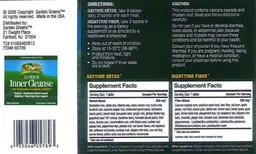
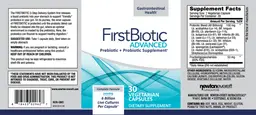
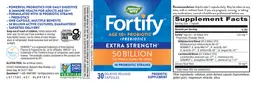
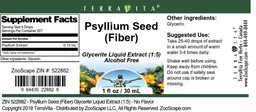
How it's sold
Data aggregated from 493 product labels
Research evidence
Showing top 10 of 120 sources, sorted by quality
An emerging body of literature demonstrates differences in the gut microbiome (GMB) of patients with major depressive disorder (MDD) compared to healthy controls (HC), as well as the potential benefits of prebiotic, probiotic, and synbiotic…
BACKGROUND: People affected by ulcerative colitis (UC) are interested in dietary therapies as treatments that can improve their health and quality of life. Prebiotics are a category of food ingredients theorised to have health benefits for …
**Nagy et al., 2023** | Crit Rev Food Sci Nutr | Meta Analysis Nagy Dávid U, Sándor-Bajusz Kinga Amália, ... Lohner Szimonetta. Effect of chicory-derived inulin-type fructans on abundance of Bifidobacterium and on bowel function: a systemat…
**Wallace et al., 2023** | Cochrane Database Syst Rev | Meta Analysis Wallace Chris, Gordon Morris, ... Akobeng Anthony K. Probiotics for management of functional abdominal pain disorders in children. Cochrane Database Syst Rev. 2023-Feb-17…
**So et al., 2018** | Am J Clin Nutr | Meta Analysis So Daniel, Whelan Kevin, ... Campbell Katrina L. Dietary fiber intervention on gut microbiota composition in healthy adults: a systematic review and meta-analysis. Am J Clin Nutr. 2018-Ju…
BACKGROUND: Studies have identified viscous dietary fiber as potentially attenuating cholesterol, including psyllium, which reduces LDL cholesterol and thus may complement cardiovascular disease (CVD) treatment. OBJECTIVES: The aims of this…
**Purton et al., 2021** | Neurosci Biobehav Rev | Meta Analysis Purton Terry, Staskova Lada, ... Marx Wolfgang. Prebiotic and probiotic supplementation and the tryptophan-kynurenine pathway: A systematic review and meta analysis. Neurosci B…
**Marx et al., 2020** | Neurosci Biobehav Rev | Meta Analysis Marx Wolfgang, Scholey Andrew, ... Jacka Felice. Prebiotics, probiotics, fermented foods and cognitive outcomes: A meta-analysis of randomized controlled trials. Neurosci Biobeha…
BACKGROUND: Chronic kidney disease (CKD) is a major public health problem affecting 13% of the global population. Prior research has indicated that CKD is associated with gut dysbiosis. Gut dysbiosis may lead to the development and/or progr…
CONTEXT: The use of prebiotics and probiotics as a treatment for psychiatric conditions has gained interest due to their potential to modulate the gut-brain axis. This review aims to assess the effectiveness of these interventions in reduci…
Frequently asked questions
What are prebiotics and how do they work?
Prebiotics are non-digestible food ingredients, such as inulin and oligosaccharides, that selectively stimulate the growth of beneficial gut bacteria. Research indicates they are generally effective for improving bowel function and modulating the gut microbiome, with emerging but mixed evidence for mood and systemic health.
Do prebiotics help with constipation?
Yes, there is strong evidence supporting the use of prebiotics, particularly inulin-type fructans and fiber, for improving bowel function and treating chronic constipation. Chicory-derived inulin-type fructans have been shown to significantly increase the abundance of Bifidobacterium and improve bowel function.
Can prebiotics lower cholesterol levels?
There is moderate evidence that viscous fibers like psyllium are effective in reducing LDL cholesterol and other lipid targets. Psyllium fiber has been shown to effectively reduce LDL cholesterol and apolipoprotein B.
Do prebiotics help with depression or anxiety?
Research is mixed regarding the efficacy of prebiotics for mood disorders, with weak evidence supporting their use. While there is an emerging body of literature on the gut-brain axis, meta-analyses show inconsistent results, so evidence is limited.
Are prebiotics safe for everyone?
Prebiotics are generally safe, though some individuals may experience gastrointestinal distress. Specific contraindications for chronic kidney disease (CKD) require clinical oversight, so those with kidney conditions should consult a healthcare provider before use.
Do prebiotics interact with any medications?
No drug interactions have been documented for prebiotics. However, because individual health conditions vary, it is always recommended to consult a healthcare provider for personal advice before starting any new supplement.
Can prebiotics treat ulcerative colitis?
Current systematic reviews suggest insufficient evidence to confirm prebiotics as a primary treatment for inducing or maintaining remission in ulcerative colitis. Therefore, they should not be relied upon as a primary treatment for this condition.
Are prebiotics effective for infant health issues like allergies?
Evidence for preventing necrotising enterocolitis or allergies in infants remains inconclusive or limited. Parents should be aware that research is mixed and evidence is weak for these specific infant health outcomes.