Flaxseed
Also known as flax, flax lignan, linseed, linum usitatissimum
Key takeaways
- Significant reduction in blood pressure across multiple meta-analyses (PMID: 26071633, PMID: 36622248).
- Reduction of total and LDL cholesterol in Native American postmenopausal women (PMID: 18328014).
- Reduction of central aortic blood pressure via changes in plasma oxylipins (PMID: 27528063).
What the research shows
AI-synthesized from 20 peer-reviewed sources · Updated 2025
Flaxseed is a nutrient-dense seed rich in omega-3 fatty acids and lignans. Research indicates it is primarily effective in reducing blood pressure and improving lipid profiles, particularly in populations with metabolic syndrome or diabetes.
By condition
Hypertension
Strong
Multiple meta-analyses and RCTs consistently demonstrate that flaxseed supplementation significantly reduces both systolic and diastolic blood pressure.
Hyperlipidemia
Moderate
Evidence suggests flaxseed can reduce total and LDL cholesterol concentrations, especially in postmenopausal women.
Diabetes/Metabolic Syndrome
Moderate
Supplementation shows positive effects on anthropometric indices, blood pressure, and lipid profiles in diabetic patients.
Effective doses
Specific dose ranges were not detailed in the provided abstracts, though dose-response meta-analyses were conducted (PMID: 36622248).
Safety & interactions
No specific contraindications provided in the source text; however, users should consult a provider regarding potential interactions with blood-thinning medications due to omega-3 content.
Limitations
While blood pressure data is robust, there is a need for more high-quality RCTs to determine optimal dosing and long-term efficacy for specific metabolic conditions.
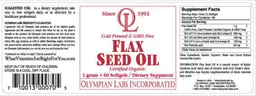
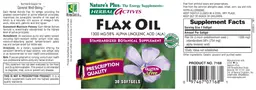
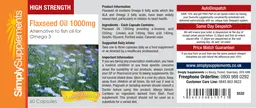
Top-rated Flaxseed products
Ranked by safety score and evidence coverage

How it's sold
Data aggregated from 403 product labels
Research evidence
Showing top 10 of 20 sources, sorted by quality
**Ursoniu et al., 2016** | Clin Nutr | Meta Analysis Ursoniu Sorin, Sahebkar Amirhossein, ... Banach Maciej. Effects of flaxseed supplements on blood pressure: A systematic review and meta-analysis of controlled clinical trial. Clin Nutr. 2…
**Musazadeh et al., 2025** | Diabetes Metab Syndr | Meta Analysis Musazadeh Vali, Nezamoleslami Shokufeh, ... Aryaeian Naheed. The effect of flaxseed supplementation on anthropometric indices, blood pressure, and lipid profile in diabetic p…
**Li et al., 2023** | Food Funct | Meta Analysis Li Lingou, Li Hanzhang, ... Yang Mei. Effect of flaxseed supplementation on blood pressure: a systematic review, and dose-response meta-analysis of randomized clinical trials. Food Funct. 202…
**Mahmudiono et al., 2022** | Phytother Res | Meta Analysis Mahmudiono Trias, Jasim Saade Abdalkareem, ... Amraei Mohammad. The effect of flaxseed oil consumtion on blood pressure among patients with metabolic syndrome and related disorders…
**Khalesi et al., 2015** | J Nutr | Meta Analysis Khalesi Saman, Irwin Christopher, Schubert Matt. Flaxseed consumption may reduce blood pressure: a systematic review and meta-analysis of controlled trials. J Nutr. 2015-Apr;145(4):758-65. d…
This study compared the effects of flaxseed and fish oil supplementation on cardiovascular risk parameters in diabetic patients with coronary heart disease. Participants were randomly allocated into three intervention groups to receive eith…
**McNabb et al., 2024** | Curr Hypertens Rev | Meta Analysis McNabb Tara B, Young Ian, ... Tou Janet C. Supplementation of Olive Oil and Flaxseed Oil on Blood Pressure and Inflammation in Healthy and At-Risk Adults: A Systematic Literature …
**Caligiuri et al., 2016** | Hypertension | Rct Caligiuri Stephanie P B, Rodriguez-Leyva Delfin, ... Pierce Grant N. Dietary Flaxseed Reduces Central Aortic Blood Pressure Without Cardiac Involvement but Through Changes in Plasma Oxylipins.…
Polyunsaturated fatty acids of the n-3 series (n-3 PUFA) exhibit a number of favorable effects on the human organism and it is desirable to increase their intake in the diet. For this purpose, flaxseed oil was added to a chicken-feed mixtur…
Lignans are phytochemicals studied extensively as dietary factors in chronic disease etiology. Our goal was to examine associations between the gut microbiota and lignan metabolism and whether these associations differ by ethnicity. We cond…
Frequently asked questions
What is flaxseed and what are its main health benefits?
Flaxseed is a nutrient-dense seed rich in omega-3 fatty acids and lignans. Research indicates it is primarily effective in reducing blood pressure and improving lipid profiles, particularly in populations with metabolic syndrome or diabetes.
Does flaxseed lower blood pressure?
Yes, there is strong evidence that flaxseed supplementation significantly reduces both systolic and diastolic blood pressure. Multiple meta-analyses and randomized controlled trials consistently demonstrate this effect.
Can flaxseed help with high cholesterol?
There is moderate evidence suggesting flaxseed can reduce total and LDL cholesterol concentrations. This benefit appears to be especially notable in postmenopausal women.
Is flaxseed effective for managing diabetes or metabolic syndrome?
Research shows moderate evidence that flaxseed supplementation has positive effects on anthropometric indices, blood pressure, and lipid profiles in diabetic patients. It may be a helpful dietary addition for those with metabolic syndrome.
What is the effective dose of flaxseed for health benefits?
Specific dose ranges were not detailed in the provided evidence summaries, although dose-response meta-analyses have been conducted. Consumers should consult a healthcare provider to determine an appropriate dosage for their needs.
Are there any safety concerns or drug interactions with flaxseed?
While no specific contraindications are documented, users should consult a provider regarding potential interactions with blood-thinning medications due to its omega-3 content. Pregnant individuals or those on medication should seek professional advice before use.
Who should avoid taking flaxseed supplements?
Individuals taking blood-thinning medications should consult a healthcare provider due to potential interactions with omega-3s. Additionally, because specific safety data for all groups is limited, pregnant women and those with existing health conditions should seek medical guidance before use.