Peppermint
Also known as mentha piperita, menthol, peppermint oil
Key takeaways
- Peppermint oil demonstrated efficacy in patients with diarrhea-predominant IBS (PMID: 23416804).
- Peppermint aromatherapy is being studied for the reduction of postoperative nausea severity (PMID: 40154579).
What the research shows
AI-synthesized from 5 peer-reviewed sources · Updated 2025
Peppermint is a botanical supplement used for various therapeutic purposes, including gastrointestinal and nausea management. Current research suggests potential efficacy in treating Irritable Bowel Syndrome (IBS) and reducing postoperative nausea, though evidence is limited by small sample sizes.
By condition
Irritable Bowel Syndrome (IBS)
Moderate
Research indicates that peppermint oil is effective in managing symptoms of diarrhea-predominant IBS.
Postoperative Nausea
Weak
Aromatherapy with peppermint may help reduce the severity of nausea following oral surgery.
Hypertension and Cardiometabolic Outcomes
Insufficient
Clinical trials have been conducted to evaluate effects on hypertension and cardiometabolic outcomes, but results are not provided in the abstracts.
Effective doses
Not specified in the provided abstracts.
Safety & interactions
No specific interactions or contraindications were mentioned in the provided research summaries.
Limitations
The available evidence is based on a small number of studies with limited enrollment sizes. Many trials are listed as completed without published results in the provided text.
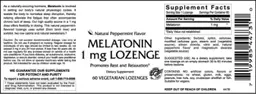
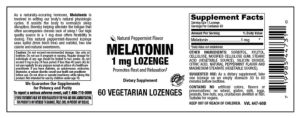
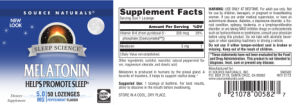
Top-rated Peppermint products
Ranked by safety score and evidence coverage
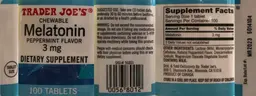
How it's sold
Data aggregated from 309 product labels
Research evidence
Showing top 10 of 5 sources, sorted by quality
OBJECTIVES: This study aimed to examine whether aromatherapy with peppermint (Mentha piperita Mitcham), ginger (Zingiber officinale), and lavender (Lavandula angustifolia) reduces the severity of nausea in patients experiencing postoperativ…
**NCT ID**: NCT05561543 **Phase**: NA **Status**: COMPLETED **Enrollment**: 40 **Completion**: 2025-08-10
**NCT ID**: NCT05071833 **Phase**: NA **Status**: COMPLETED **Enrollment**: 36 **Completion**: 2022-11-05
**NCT ID**: NCT04484467 **Phase**: NA **Status**: COMPLETED **Enrollment**: 56 **Completion**: 2019-12-28
**Alam et al., 2013** | Mymensingh Med J | Rct Alam M S, Roy P K, ... Khatun S. Efficacy of Peppermint oil in diarrhea predominant IBS - a double blind randomized placebo - controlled study. Mymensingh Med J. 2013-Jan;22(1):27-30 Irritable …
Frequently asked questions
What is peppermint and what is it used for?
Peppermint is a botanical supplement commonly used for therapeutic purposes, particularly for managing gastrointestinal issues and nausea. Current research highlights its potential use in treating Irritable Bowel Syndrome (IBS) and reducing postoperative nausea, although evidence for these uses varies in strength.
Does peppermint work for IBS?
There is moderate evidence suggesting that peppermint oil is effective in managing symptoms of diarrhea-predominant Irritable Bowel Syndrome (IBS). Research indicates efficacy for this specific subtype, though consumers should note that evidence for other IBS types or general digestive issues may be limited.
Can peppermint help with nausea?
There is weak evidence that peppermint aromatherapy may help reduce the severity of nausea following oral surgery. Because the evidence is limited by small sample sizes, it is not considered a primary treatment for general nausea without further clinical validation.
What is the effective dose of peppermint?
The provided research summaries do not specify effective doses for peppermint. Consumers should consult a healthcare provider for appropriate dosage guidelines, as specific amounts were not documented in the available evidence.
Is peppermint safe to take with other medications?
No specific drug interactions or contraindications were documented in the provided research summaries. However, because individual health conditions vary, it is recommended to consult a healthcare provider before combining peppermint with other medications or supplements.
Who should avoid taking peppermint supplements?
While no specific contraindications were listed, individuals who are pregnant, breastfeeding, or taking prescription medications should consult a healthcare provider before use. This is especially important because the evidence for safety in these populations is not explicitly detailed in the provided data.
Does peppermint help with high blood pressure?
There is insufficient evidence to determine if peppermint helps with hypertension or cardiometabolic outcomes. Although clinical trials have been conducted to evaluate these effects, the results are not provided in the available research summaries.