Hyaluronic Acid
Also known as ha, hyaluronan, hyaluronic acid, sodium hyaluronate
Key takeaways
- Oral low molecular weight HA combined with glucosamine and chondroitin may benefit knee osteoarthritis patients with mild pain (PMID: 33592868).
- Combination of collagen, vitamin C, and HA may impact skin density and texture (PMID: 38931263).
- Oral HA, chondroitin sulfate, N-acetylglucosamine, and vitamin C may improve symptoms in participants with recurrent UTIs (PMID: 38721680).
What the research shows
AI-synthesized from 14 peer-reviewed sources · Updated 2025
Hyaluronic acid (HA) is a naturally occurring polysaccharide used across various delivery methods, including oral supplements, topical agents, and intra-articular injections. Research indicates it is primarily utilized for joint health, skin hydration, and ocular surface relief, with varying degrees of efficacy depending on the administration route.
By condition
Knee Osteoarthritis
Moderate
Both intra-articular injections and oral combinations (with glucosamine/chondroitin) show potential in reducing pain and improving clinical indices.
Skin Health
Weak
Oral supplementation combined with collagen and vitamin C may improve skin density and texture, while injectable forms are used for periorbital hyperpigmentation.
Dry Eye Disease
Moderate
Sodium hyaluronic acid eyedrops are an established treatment for relieving ocular surface discomfort.
Chronic Wounds
Insufficient
A systematic review of topical HA dressings for chronic wound healing was conducted, though specific efficacy outcomes were not detailed in the abstract.
Recurrent Urinary Tract Infections
Weak
Preliminary evidence suggests oral preparations containing HA and chondroitin may improve associated sexual and urinary symptoms.
Effective doses
Specific dosage ranges were not provided in the provided abstracts; however, ocular applications used 0.1% sodium hyaluronic acid.
Safety & interactions
No specific adverse interactions or contraindications were mentioned in the provided abstracts.
Limitations
Many studies are small pilot trials or use combination therapies, making it difficult to isolate the specific effect of hyaluronic acid. There is a lack of long-term, large-scale RCTs for oral supplementation.
Top-rated Hyaluronic Acid products
Ranked by safety score and evidence coverage
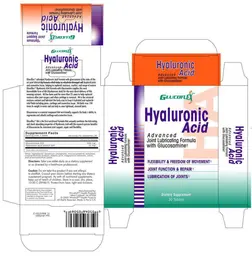

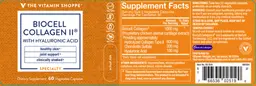
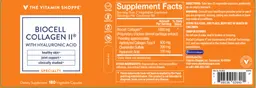
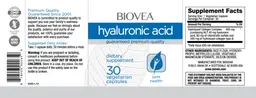
How it's sold
Data aggregated from 220 product labels
Research evidence
Showing top 10 of 14 sources, sorted by quality
**Roehrs et al., 2023** | Cochrane Database Syst Rev | Systematic Review Roehrs Hellen, Stocco Janislei Gd, ... Dias Fernando Al. Dressings and topical agents containing hyaluronic acid for chronic wound healing. Cochrane Database Syst Rev.…
**Li et al., 2024** | BMJ | Rct Li Jing, Liao Yinglin, ... Liang Lingyi. Effect of laughter exercise versus 0.1% sodium hyaluronic acid on ocular surface discomfort in dry eye disease: non-inferiority randomised controlled trial. BMJ. 2024-…
Hyaluronic acid (HA) is a linear polysaccharide which occurs naturally as a constituent of synovial fluid. The HA concentration in the joint decreases inexorably during the progression of knee osteoarthritis (OA) and so, for nearly five dec…
Collagen dietary supplements are becoming increasingly popular as a means to reduce signs of skin ageing. The objective of this three-way, randomised, placebo-controlled, double-blind study was to examine and contrast the effects of dietary…
OBJECTIVE: Knee osteoarthritis (KOA) is a common chronic progressive disease. We aimed to evaluate the effects of ozone combined with articular injection of sodium hyaluronate on KOA patients and their inflammatory factors and hemorheologic…
BACKGROUND: The popularity of dietary supplements for knee osteoarthritis (OA) management is on the rise; however, their effects are still debated. METHODS: This study aimed to investigate the effect of an oral low molecular weight liquid h…
BACKGROUND: Hyaluronan (HA), glucosamine, and chondroitin sulfate are widely consumed as dietary supplements for the treatment of knee osteoarthritis (OA). This study aimed to explore the efficacy and safety of a dietary liquid supplement m…
BACKGROUND: Intravesical instillation of hyaluronic acid (HA) has been associated with reduced sexual dysfunction in participants with recurrent urinary tract infections (rUTIs), but the efficacy of an oral treatment has never been investig…
**NCT ID**: NCT05807360 **Phase**: NA **Status**: COMPLETED **Enrollment**: 160 **Completion**: 2023-06-05
**NCT ID**: NCT06268483 **Phase**: NA **Status**: COMPLETED **Enrollment**: 50 **Completion**: 2023-03-28
Frequently asked questions
What is Hyaluronic Acid and what is it used for?
Hyaluronic acid (HA) is a naturally occurring polysaccharide used in oral supplements, topical agents, and injections. It is primarily utilized for supporting joint health, improving skin hydration, and providing relief for dry eye symptoms.
Does Hyaluronic Acid work for knee osteoarthritis?
There is moderate evidence that both intra-articular injections and oral combinations with glucosamine and chondroitin may help reduce pain and improve clinical indices for knee osteoarthritis. Research suggests oral low molecular weight HA combined with these compounds may benefit patients with mild pain.
Can Hyaluronic Acid improve skin health?
Evidence for skin health is currently weak. Some research indicates that oral supplementation combined with collagen and vitamin C may improve skin density and texture, but more robust studies are needed to confirm these benefits.
Is Hyaluronic Acid effective for dry eyes?
Yes, there is moderate evidence supporting the use of sodium hyaluronic acid eyedrops as an established treatment for relieving ocular surface discomfort in dry eye disease. These drops are commonly used to address eye dryness and irritation.
What is the effective dose of Hyaluronic Acid?
Specific dosage ranges for oral supplements were not provided in the available evidence. However, for ocular applications, 0.1% sodium hyaluronic acid has been used in research settings. Consumers should consult a healthcare provider for appropriate dosing.
Is Hyaluronic Acid safe to take?
No specific adverse interactions or contraindications were mentioned in the provided evidence, but safety data is limited. Pregnant individuals, those on medications, or people with underlying health conditions should consult a healthcare provider before use to ensure safety.
Does Hyaluronic Acid interact with other drugs?
No drug interactions have been documented in the provided evidence summary. However, because research is limited, individuals taking other medications should consult a healthcare provider to rule out potential risks.
Who should avoid using Hyaluronic Acid?
While no specific contraindications are listed, individuals who are pregnant, breastfeeding, or taking other medications should avoid using this supplement without first consulting a healthcare provider. Always seek professional medical advice before starting any new supplement regimen.