Vitamin D
Also known as 25-hydroxyvitamin d, calcidiol, cholecalciferol, ergocalciferol
Key takeaways
- Vitamin D and analogues reduce fracture risk in post-menopausal women and older men (PMID: 24729336).
- Evidence for the prevention of adult mortality remains inconclusive across multiple Cochrane reviews (PMID: 24414552, 21735411).
- Vitamin D supplementation shows contradictory results in the prevention of cancer (PMID: 24953955).
What the research shows
AI-synthesized from 872 peer-reviewed sources · Updated 2025
Vitamin D is a fat-soluble vitamin essential for bone health and immune function. Research indicates significant benefits for bone density and fracture prevention, though evidence for mortality, cancer prevention, and general health outcomes remains mixed or inconclusive.
By condition
Osteoporosis and Fractures
Strong
Vitamin D and analogues are effective in preventing osteoporotic fractures in post-menopausal women and older men.
Falls Prevention
Moderate
Evidence from multiple meta-analyses suggests a role in reducing falls among older adults in both community and care facility settings.
Mortality
Insufficient
Cochrane reviews indicate that evidence regarding the prevention of mortality in adults is inconclusive.
Cancer Prevention
Weak
Meta-analyses show contradictory evidence regarding the effectiveness of vitamin D in decreasing overall cancer or lung cancer risk.
Depressive Symptoms
Weak
Recent meta-analyses have explored its effect on depressive symptoms in adults, though results vary.
Effective doses
Specific dose ranges were not provided in the provided abstracts, though they are typically administered in combination with calcium for bone health.
Safety & interactions
No specific contraindications or interactions were detailed in the provided abstracts; however, safety is generally monitored via regulatory sources like OpenFDA.
Limitations
Many large-scale meta-analyses report inconclusive results for non-skeletal outcomes, suggesting a need for more standardized dosing and population-specific trials.
Dietary Reference Intakes
Source: IOM/NAM · Dietary Reference Intakes: Vitamin D
| Measure | Value | Description |
|---|
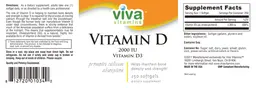
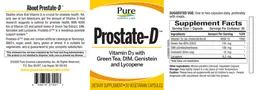
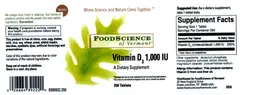
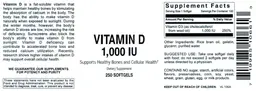
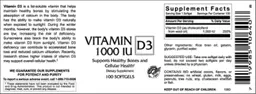
Top-rated Vitamin D products
Ranked by safety score and evidence coverage
Drug–supplement interactions
2 documented interactions
| Drug | Severity | Mechanism | Evidence |
|---|---|---|---|
| Digoxin | Moderate | Vitamin D promotes calcium absorption. Hypercalcemia potentiates digoxin toxicit | probable |
| Verapamil | Minor | Vitamin D promotes calcium absorption, which may counteract verapamil's calcium | theoretical |
How it's sold
Data aggregated from 4,202 product labels
Research evidence
Showing top 10 of 872 sources, sorted by quality
BACKGROUND: Vitamin D and related compounds have been used to prevent osteoporotic fractures in older people. OBJECTIVES: To determine the effects of vitamin D or related compounds, with or without calcium, for preventing fractures in older…
BACKGROUND: Available evidence on the effects of vitamin D on mortality has been inconclusive. In a recent systematic review, we found evidence that vitamin D3 may decrease mortality in mostly elderly women. The present systematic review up…
BACKGROUND: Vitamin D and related compounds have been used to prevent osteoporotic fractures in older people. This is the third update of a Cochrane review first published in 1996. OBJECTIVES: To determine the effects of vitamin D or relate…
BACKGROUND: The evidence on whether vitamin D supplementation is effective in decreasing cancers is contradictory. OBJECTIVES: To assess the beneficial and harmful effects of vitamin D supplementation for prevention of cancer in adults. SEA…
**Cameron et al., 2018** | Cochrane Database Syst Rev | Meta Analysis Cameron Ian D, Dyer Suzanne M, ... Kerse Ngaire. Interventions for preventing falls in older people in care facilities and hospitals. Cochrane Database Syst Rev. 2018-Sep…
**Cortés-Jofré et al., 2020** | Cochrane Database Syst Rev | Meta Analysis Cortés-Jofré Marcela, Rueda José-Ramón, ... Bonfill Cosp Xavier. Drugs for preventing lung cancer in healthy people. Cochrane Database Syst Rev. 2020-Mar-04;3(3):CD0…
BACKGROUND: The available evidence on vitamin D and mortality is inconclusive. OBJECTIVES: To assess the beneficial and harmful effects of vitamin D for prevention of mortality in adults. SEARCH STRATEGY: We searched The Cochrane Library, M…
**Jiang et al., 2023** | Crit Rev Food Sci Nutr | Meta Analysis Jiang Zhiwei, Pu Rui, ... Yang Guoli. High prevalence of vitamin D deficiency in Asia: A systematic review and meta-analysis. Crit Rev Food Sci Nutr. 2023;63(19):3602-3611. doi…
**Mikola et al., 2023** | Crit Rev Food Sci Nutr | Meta Analysis Mikola Tuomas, Marx Wolfgang, ... Ruusunen Anu. The effect of vitamin D supplementation on depressive symptoms in adults: A systematic review and meta-analysis of randomized c…
**Gillespie et al., 2009** | Cochrane Database Syst Rev | Meta Analysis Gillespie Lesley D, Robertson M Clare, ... Rowe Brian H. Interventions for preventing falls in older people living in the community. Cochrane Database Syst Rev. 2009-Ap…
Frequently asked questions
What is Vitamin D and what is it used for?
Vitamin D is a fat-soluble vitamin essential for bone health and immune function. It is primarily used to support bone density and may help prevent fractures, particularly in older adults. While it plays a key role in calcium absorption, its effects on general health outcomes beyond bone health remain mixed.
Does Vitamin D help prevent osteoporosis or fractures?
Yes, there is strong evidence that Vitamin D and its analogues are effective in preventing osteoporotic fractures in post-menopausal women and older men. Research indicates significant benefits for bone density in these specific populations. It is often administered in combination with calcium for optimal bone health.
Can Vitamin D reduce the risk of falls in older adults?
There is moderate evidence suggesting that Vitamin D may help reduce falls among older adults in both community and care facility settings. Multiple meta-analyses support a role for supplementation in fall prevention for this demographic. However, it is not a guaranteed solution for all individuals.
Does Vitamin D prevent cancer or improve mortality rates?
Research is mixed and evidence is limited regarding these outcomes. There is weak evidence for cancer prevention, with meta-analyses showing contradictory results for overall and lung cancer risk. Additionally, Cochrane reviews indicate that evidence regarding the prevention of mortality in adults is inconclusive.
Is Vitamin D effective for treating depression?
Evidence is limited and results vary for using Vitamin D to treat depressive symptoms. Recent meta-analyses have explored this effect in adults, but the findings are not consistent enough to confirm a strong benefit. More research is needed to determine its efficacy for mental health conditions.
What are the drug interactions and safety concerns for Vitamin D?
Vitamin D can interact with Digoxin, potentially increasing the risk of toxicity due to enhanced calcium absorption, and may theoretically counteract Verapamil's effects. Because of these moderate to minor interactions, individuals on these medications should consult a healthcare provider. Safety is generally monitored via regulatory sources, but professional guidance is essential.
Who should avoid taking Vitamin D supplements?
Individuals taking Digoxin or Verapamil should exercise caution and consult a healthcare provider due to potential drug interactions. While specific contraindications are not detailed in the summary, anyone with hypercalcemia or on medications affecting calcium levels should seek medical advice. Pregnant individuals and those with chronic conditions should also verify safety with their doctor.