Chamomile
Also known as german chamomile, manzanilla, matricaria recutita, roman chamomile
Key takeaways
- Oral chamomile extract is effective for moderate to severe GAD (PMID: 27912871).
- Chamomile may have a putative antidepressant effect in subjects with comorbid GAD and depression (PMID: 31808709).
- Inhalation of chamomile essential oil reduces anxiety and improves hemodynamic indices in patients with acute coronary syndrome (PMID: 38172912).
What the research shows
AI-synthesized from 16 peer-reviewed sources · Updated 2025
Chamomile is a medicinal plant used primarily for its sedative and anxiolytic properties. Research suggests it may be effective in reducing symptoms of generalized anxiety disorder (GAD) and improving sleep quality, though evidence varies by administration method (oral vs. aromatherapy).
By condition
Generalized Anxiety Disorder (GAD)
Moderate
Multiple RCTs and meta-analyses indicate that oral chamomile extract can significantly reduce anxiety symptoms in patients with GAD.
Sleep Quality/Insomnia
Weak
Some evidence suggests improvements in sleep quality among elderly and young adults, though data is limited across small sample sizes.
State Anxiety
Moderate
Aromatherapy and inhalation of chamomile essential oil show efficacy in reducing acute anxiety in clinical settings, such as preoperative or coronary care.
Effective doses
Specific dose ranges were not detailed in the provided abstracts, though oral extracts and essential oil inhalation were the primary delivery methods studied.
Safety & interactions
Generally considered safe, but users should be aware of potential allergic reactions to plants in the Asteraceae family.
Limitations
Many studies have small sample sizes (e.g., N=12 to N=61) and some are open-label, which may introduce bias. There is a lack of standardized dosing across the trials.
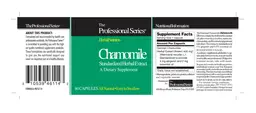
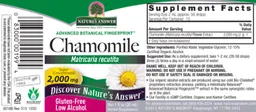
Top-rated Chamomile products
Ranked by safety score and evidence coverage



How it's sold
Data aggregated from 178 product labels
Research evidence
Showing top 10 of 16 sources, sorted by quality
OBJECTIVE: We aimed to investigate the effects of chamomile (Matricaria chamomilla L.) on sleep in this systematic review and meta-analysis of clinical trials. METHODS: PubMed, Scopus, Web of Science, and Cochrane Library were searched unti…
Objectives: This exploratory analysis examined the putative antidepressant effect of Matricaria chamomilla L. (chamomile) extract in subjects with generalized anxiety disorder (GAD) with or without comorbid depression. It was hypothesized t…
BACKGROUND: Conventional drug treatments for Generalized Anxiety Disorder (GAD) are often accompanied by substantial side effects, dependence, and/or withdrawal syndrome. A prior controlled study of oral chamomile (Matricaria chamomilla L.)…
BACKGROUND: Considering the prevalence of mental health problems in older adults, this study aims to investigate the effect of inhalation aromatherapy using lavender and chamomile essential oils on depression, anxiety, and stress of communi…
BACKGROUND: The prevalence of insomnia increases with age. Chamomile is among the medicinal plants which are used as tranquilizer. Yet, there is inadequate experimental and clinical evidence regarding its hypnotic effects. This study sought…
OBJECTIVES: Dysfunctions in stress biology are hypothesized to contribute to anxiety disorders, and to be ameliorated during successful treatment, but limited clinical data exist to support this hypothesis. We evaluated whether increases in…
This systematic review and meta-analysis aimed to study the efficacy and safety of chamomile for the treatment of state anxiety, generalized anxiety disorders (GADs), sleep quality, and insomnia in human. Eleven databases including PubMed, …
PURPOSE: Patients who are awaiting emergency surgery experience high levels of anxiety and pain. This study aimed to compare the effects of aromatherapy with damask rose and chamomile essential oil on the preoperative pain and anxiety assoc…
BACKGROUND: Generalized Anxiety Disorder (GAD) is one of the most common anxiety disorders treated in primary care, yet current therapies have limited efficacy and substantial side effects. PURPOSE: To evaluate long-term chamomile (Matricar…
Primary dysmenorrhea is one of the most common complaints among young women. This study aimed to evaluate the effects of chamomile and 1-theanine beverage intake on menstrual symptoms, pain intensity, mood, and sleep quality in young adult …
Frequently asked questions
What is chamomile and what is it used for?
Chamomile is a medicinal plant primarily used for its sedative and anxiolytic (anti-anxiety) properties. It is commonly taken orally to help reduce symptoms of generalized anxiety disorder and improve sleep quality, or used via aromatherapy to manage acute anxiety in clinical settings.
Does chamomile work for anxiety?
Research shows moderate evidence that oral chamomile extract can significantly reduce symptoms of generalized anxiety disorder (GAD). Additionally, moderate evidence supports the use of chamomile essential oil inhalation for reducing acute anxiety in clinical environments, such as before surgery or in coronary care.
Can chamomile help with insomnia or sleep quality?
There is weak evidence suggesting chamomile may improve sleep quality in elderly and young adults, though research is limited by small sample sizes. While some studies indicate benefits, the overall data is not yet strong enough to confirm definitive efficacy for insomnia.
What is the effective dose of chamomile?
Specific dose ranges were not detailed in the provided evidence summaries. The primary delivery methods studied include oral extracts for anxiety and sleep, as well as essential oil inhalation for acute anxiety, but exact amounts vary by study and formulation.
Is chamomile safe to take?
Chamomile is generally considered safe, but individuals with allergies to plants in the Asteraceae family should avoid it due to the risk of allergic reactions. As with any supplement, it is recommended to consult a healthcare provider before use, especially if you have known plant allergies.
Does chamomile have any drug interactions?
No drug interactions have been documented for chamomile in the provided evidence. However, because it may have sedative effects, it is important to discuss its use with a healthcare provider to ensure it does not interfere with other treatments or conditions.
Who should avoid taking chamomile?
People with allergies to the Asteraceae family of plants should avoid chamomile due to potential allergic reactions. Additionally, pregnant individuals or those on other medications should consult a healthcare provider before use, as the evidence does not fully rule out interactions or effects in these specific populations.