Hoodia
Also known as hoodia gordonii, kalahari cactus, xhoba
Key takeaways
- A 15-day trial of purified Hoodia gordonii extract showed it was generally safe but did not significantly reduce ad libitum energy intake or body weight in overweight women (PMID: 21993434).
- A consumer trial of a commercial Hoodia parviflora product reported positive effects on appetite and weight control (PMID: 25453380).
- A blinded trial found Hoodia parviflora may influence satiety and abdominal obesity in overweight subjects (PMID: 32218424).
What the research shows
AI-synthesized from 3 peer-reviewed sources · Updated 2025
Hoodia is a supplement derived from plants of the genus Hoodia, traditionally used to suppress appetite. Clinical research suggests it may have a modest effect on satiety and weight management, though evidence is limited by small sample sizes.
By condition
general
Weak
Small randomized controlled trials indicate some potential for appetite suppression and weight reduction, but results are inconsistent across studies.
Effective doses
Specific dosing varies by extract; one study utilized a purified extract over 15 days (PMID: 21993434).
Safety & interactions
Generally reported as safe in short-term trials, but long-term safety and potential drug interactions have not been extensively studied.
Limitations
The available research is limited by very small sample sizes (N=25 to 40) and short study durations.
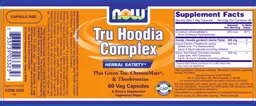
Top-rated Hoodia products
Ranked by safety score and evidence coverage
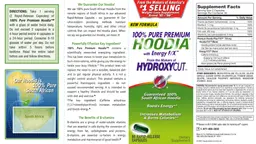
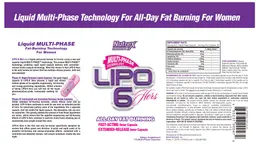
How it's sold
Data aggregated from 69 product labels
Research evidence
Showing top 10 of 3 sources, sorted by quality
**Blom et al., 2011** | Am J Clin Nutr | Rct Blom Wendy A M, Abrahamse Salomon L, ... Mela David J. Effects of 15-d repeated consumption of Hoodia gordonii purified extract on safety, ad libitum energy intake, and body weight in healthy, ov…
**Landor et al., 2015** | J Med Food | Rct Landor Michael, Benami Ari, ... Loberant Beth. Efficacy and acceptance of a commercial Hoodia parviflora product for support of appetite and weight control in a consumer trial. J Med Food. 2015-Feb…
**Perna et al., 2020** | Minerva Gastroenterol Dietol | Rct Perna Simone, Infantino Vittoria, ... Rondanelli Mariangela. Effects of Hoodia Parviflora on satiety, abdominal obesity and weight in a group of overweight subjects: a randomized, …
Frequently asked questions
What is Hoodia and what is it used for?
Hoodia is a supplement derived from plants of the genus Hoodia, traditionally used to suppress appetite. Clinical research suggests it may have a modest effect on satiety and weight management, though evidence is limited by small sample sizes.
Does Hoodia work for weight loss?
Evidence for Hoodia's effectiveness in weight loss is weak and mixed. While some small trials indicate potential for appetite suppression, a 15-day trial of purified Hoodia gordonii extract did not significantly reduce energy intake or body weight in overweight women.
What is the effective dose of Hoodia?
Specific dosing varies by extract, and research is limited. One study utilized a purified extract over 15 days, but there is no established standard effective dose for general use.
Is Hoodia safe to take long-term?
Hoodia is generally reported as safe in short-term trials, but long-term safety has not been extensively studied. Because long-term data is lacking, it is important to consult a healthcare provider before extended use.
Does Hoodia have any drug interactions?
No drug interactions have been documented for Hoodia. However, because comprehensive safety data is limited, individuals on medications should consult a healthcare provider to ensure safety.
Who should avoid taking Hoodia?
Individuals who are pregnant or breastfeeding should avoid Hoodia due to a lack of safety data. Additionally, people with existing health conditions or those taking other medications should consult a healthcare provider before use.
What are the side effects of Hoodia?
In a 15-day trial, purified Hoodia gordonii extract was generally reported as safe, but comprehensive side effect data is limited. Consumers should monitor for any adverse reactions and consult a healthcare provider if they occur.