Resveratrol
Also known as resveratrol, stilbene, trans-resveratrol
Key takeaways
- Resveratrol supplementation may improve metabolic indicators in patients with Type 2 Diabetes (PMID: 35685602).
- Significant efficacy in reducing liver enzymes for patients with NAFLD (PMID: 33271299).
- Positive impact on blood pressure reduction observed in meta-analysis of RCTs (PMID: 24731650).
What the research shows
AI-synthesized from 193 peer-reviewed sources · Updated 2025
Resveratrol is a polyphenolic compound found in grapes and berries, widely studied for its potential metabolic and anti-inflammatory properties. Research generally suggests positive effects on metabolic markers and liver health, though clinical evidence across diverse populations remains mixed.
By condition
Type 2 Diabetes
Moderate
Meta-analyses indicate positive effects on metabolic indicators and glycemic control in patients with T2DM.
Non-Alcoholic Fatty Liver Disease (NAFLD)
Moderate
Evidence suggests resveratrol can improve liver enzymes and overall liver health in patients with NAFLD.
Cardiovascular Risk Factors
Moderate
Research shows a potential for reducing blood pressure and improving blood lipid profiles.
Inflammation
Moderate
Systematic reviews suggest resveratrol can modulate inflammatory mediators.
Weight Loss
Weak
Meta-analysis of RCTs shows limited or inconsistent effects on significant weight loss.
Effective doses
Specific dose ranges were not detailed in the provided abstracts, though dose-response relationships have been analyzed for lipid profiles.
Safety & interactions
Refer to openFDA safety data; generally well-tolerated, but potential interactions with blood-thinning medications or endocrine-disrupting pathways should be monitored.
Limitations
Many studies have small sample sizes (e.g., N=36 for weight loss, N=50 for T2DM Cochrane review), and there is a need for more large-scale, long-term clinical trials to confirm efficacy.
Top-rated Resveratrol products
Ranked by safety score and evidence coverage
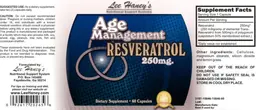
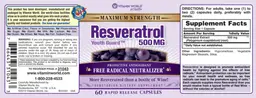
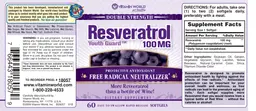

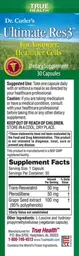
How it's sold
Data aggregated from 455 product labels
Research evidence
Showing top 10 of 193 sources, sorted by quality
**Guo et al., 2018** | Crit Rev Food Sci Nutr | Meta Analysis Guo Xiao-Fei, Li Jiao-Mei, ... Li Duo. Effects of resveratrol supplementation on risk factors of non-communicable diseases: A meta-analysis of randomized controlled trials. Crit …
BACKGROUND: Type 2 diabetes mellitus (T2DM) is a chronic disorder that is characterised by insulin resistance and hyperglycaemia, which over time may give rise to vascular complications. Resveratrol is a plant-derived nutritional supplement…
**Brown et al., 2024** | Int J Mol Sci | Systematic Review Brown Karen, Theofanous Despoina, ... Howells Lynne. Resveratrol for the Management of Human Health: How Far Have We Come? A Systematic Review of Resveratrol Clinical Trials to High…
**Wan et al., 2022** | Crit Rev Food Sci Nutr | Systematic Review Wan Murphy Lam Yim, Co Vanessa Anna, El-Nezami Hani. Endocrine disrupting chemicals and breast cancer: a systematic review of epidemiological studies. Crit Rev Food Sci Nutr.…
**Haghighatdoost et al., 2019** | Eur J Clin Nutr | Meta Analysis Haghighatdoost Fahimeh, Hariri Mitra. Can resveratrol supplement change inflammatory mediators? A systematic review and meta-analysis on randomized clinical trials. Eur J Cli…
**Asis et al., 2019** | Ann N Y Acad Sci | Meta Analysis Asis Marzieh, Hemmati Niloufar, ... Bishayee Anupam. Effects of resveratrol supplementation on bone biomarkers: a systematic review and meta-analysis. Ann N Y Acad Sci. 2019-Dec;1457(…
**Tabrizi et al., 2020** | Crit Rev Food Sci Nutr | Meta Analysis Tabrizi Reza, Tamtaji Omid Reza, ... Asemi Zatollah. The effects of resveratrol intake on weight loss: a systematic review and meta-analysis of randomized controlled trials. …
**Delpino et al., 2022** | Crit Rev Food Sci Nutr | Meta Analysis Delpino Felipe Mendes, Figueiredo Lílian Munhoz. Resveratrol supplementation and type 2 diabetes: a systematic review and meta-analysis. Crit Rev Food Sci Nutr. 2022;62(16):4…
**Liu et al., 2015** | Clin Nutr | Meta Analysis Liu Yanxia, Ma Wanqiang, ... Huang Daifa. Effect of resveratrol on blood pressure: a meta-analysis of randomized controlled trials. Clin Nutr. 2015-Feb;34(1):27-34. doi:10.1016/j.clnu.2014.03…
**Jakubczyk et al., 2020** | Nutrients | Meta Analysis Jakubczyk Karolina, Skonieczna-Żydecka Karolina, ... Janda Katarzyna. Effects of Resveratrol Supplementation in Patients with Non-Alcoholic Fatty Liver Disease-A Meta-Analysis. Nutrient…
Frequently asked questions
What is resveratrol and what is it used for?
Resveratrol is a polyphenolic compound found in grapes and berries, widely studied for its potential metabolic and anti-inflammatory properties. It is commonly used to support metabolic health, liver function, and cardiovascular markers, though clinical evidence across diverse populations remains mixed.
Does resveratrol help with type 2 diabetes?
There is moderate evidence that resveratrol supplementation may improve metabolic indicators and glycemic control in patients with type 2 diabetes. Meta-analyses indicate positive effects on these metabolic markers, suggesting it could be a supportive supplement for this condition.
Can resveratrol improve liver health in NAFLD patients?
Yes, there is moderate evidence suggesting resveratrol can improve liver enzymes and overall liver health in patients with non-alcoholic fatty liver disease (NAFLD). Research indicates significant efficacy in reducing liver enzymes, which is a key marker of liver health.
Does resveratrol lower blood pressure or improve cholesterol?
Research shows moderate evidence for a potential impact on cardiovascular risk factors, including reducing blood pressure and improving blood lipid profiles. Meta-analyses of randomized controlled trials have observed positive impacts on blood pressure reduction.
Does resveratrol help with weight loss?
Evidence for weight loss is weak, with meta-analyses of randomized controlled trials showing limited or inconsistent effects on significant weight loss. Consumers should be aware that research is mixed regarding its effectiveness for this specific goal.
Is resveratrol safe to take with other medications?
While generally well-tolerated, resveratrol has potential interactions with blood-thinning medications and may affect endocrine-disrupting pathways. It is important to monitor for these interactions and consult a healthcare provider before use, especially if you are on medication.
Who should avoid taking resveratrol supplements?
Individuals taking blood-thinning medications or those concerned about endocrine-disrupting pathways should exercise caution and consult a healthcare provider. Additionally, because clinical evidence across diverse populations remains mixed, it is advisable to seek professional guidance before starting supplementation.