Glucosamine
Also known as glucosamine hcl, glucosamine hydrochloride, glucosamine sulfate
Key takeaways
- Combination therapy of glucosamine and chondroitin may be more effective for knee osteoarthritis than either alone (PMID: 35024906).
- Some high-quality trials show limited efficacy of glucosamine compared to placebo for general osteoarthritis (PMID: 15846645).
- Glucosamine hydrochloride combined with chondroitin sulfate was compared against celecoxib for painful knee osteoarthritis (PMID: 25589511).
What the research shows
AI-synthesized from 39 peer-reviewed sources · Updated 2025
Glucosamine is a supplement used primarily to manage symptoms of osteoarthritis. Research evidence is mixed, with some meta-analyses suggesting symptomatic benefit while others, including Cochrane reviews, indicate limited efficacy compared to placebo.
By condition
Knee Osteoarthritis
Moderate
Multiple meta-analyses and RCTs suggest that glucosamine, particularly in combination with chondroitin, may reduce pain and improve function, though results vary across studies.
Temporomandibular Joint (TMJ) Osteoarthritis
Weak
Systematic reviews indicate insufficient evidence to definitively conclude that glucosamine is effective for TMJ osteoarthritis.
Effective doses
Specific dose ranges were not detailed in the provided abstracts, though it is frequently studied as a standalone or in combination with chondroitin sulfate.
Safety & interactions
Generally considered safe, though specific interactions and contraindications were not detailed in the provided abstracts; refer to regulatory sources like EFSA for general safety opinions.
Limitations
Research is characterized by contradictory results across different meta-analyses and a need for more standardized dosing and high-quality evidence for specific joints like the TMJ.
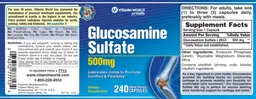
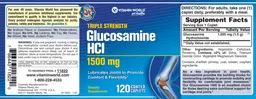
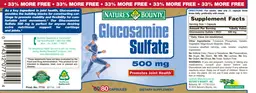
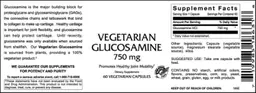
Top-rated Glucosamine products
Ranked by safety score and evidence coverage

Drug–supplement interactions
3 documented interactions
| Drug | Severity | Mechanism | Evidence |
|---|---|---|---|
| Anticoagulants | Moderate | Interaction identified from DDInter 2.0 database. Specific drugs: Dicoumarol | ddinter-verified |
| Warfarin | Moderate | Interaction identified from DDInter 2.0 database. Specific drugs: Warfarin | ddinter-verified |
| Antidiabetic Drugs | Minor | Glucosamine may theoretically worsen insulin resistance, though clinical evidenc | inconclusive |
How it's sold
Data aggregated from 1,140 product labels
Research evidence
Showing top 10 of 39 sources, sorted by quality
BACKGROUND: Osteoarthritis (OA) is the most common form of arthritis of the temporomandibular joint (TMJ), and can often lead to severe pain in the orofacial region. Management options for TMJ OA include reassurance, occlusal appliances, ph…
BACKGROUND: Osteoarthritis (OA) is the most common form of arthritis, and it is often associated with significant disability and an impaired quality of life. OBJECTIVES: To review all randomized controlled trials (RCTs) evaluating the effec…
BACKGROUND: Osteoarthritis, a common joint disorder, is one of the leading causes of disability. Chondroitin has emerged as a new treatment. Previous meta-analyses have shown contradictory results on the efficacy of chondroitin. This, in ad…
AIMS: Though glucosamine and chondroitin have become common practices for treating knee osteoarthritis, the clinical value of these two drugs in combination are still questionable. To evaluate the efficacy and safety of the combination of g…
BACKGROUND: Glucosamine and chondroitin sulfate are used to treat osteoarthritis. The multicenter, double-blind, placebo- and celecoxib-controlled Glucosamine/chondroitin Arthritis Intervention Trial (GAIT) evaluated their efficacy and safe…
**Derwich et al., 2023** | Int J Mol Sci | Systematic Review Derwich Marcin, Górski Bartłomiej, ... Pawłowska Elżbieta. Oral Glucosamine in the Treatment of Temporomandibular Joint Osteoarthritis: A Systematic Review. Int J Mol Sci. 2023-Ma…
**Authority**: European Food Safety Authority (EFSA) **Claim Type**: art13.1 **Substance**: glucosamine **DOI**: 10.2903/j.efsa.2009.1235 **URL**: https://doi.org/10.2903/j.efsa.2009.1235
OBJECTIVE: This analysis was aimed at providing evidence-based medicine basis for systematic evaluation of chondroitin combined with glucosamine in the treatment of knee osteoarthritis. METHODS: The randomized controlled trials (RCTs) of ch…
OBJECTIVES: To compare the efficacy and safety of chondroitin sulfate plus glucosamine hydrochloride (CS+GH) versus celecoxib in patients with knee osteoarthritis and severe pain. METHODS: Double-blind Multicentre Osteoarthritis interVEntio…
OBJECTIVE: To assess the symptomatic effectiveness and safety of oral symptomatic slow-acting drugs (SYSADOAs) on the treatment of knee and/or hip osteoarthritis, such as chondroitin, glucosamine, and combination treatment with chondroitin …
Frequently asked questions
What is glucosamine and what is it used for?
Glucosamine is a dietary supplement primarily used to manage symptoms of osteoarthritis. Research evidence is mixed, with some studies suggesting symptomatic benefits while others indicate limited efficacy compared to a placebo.
Does glucosamine work for knee osteoarthritis?
There is moderate evidence suggesting that glucosamine, particularly when combined with chondroitin, may reduce pain and improve function in knee osteoarthritis. However, results vary across studies, and some high-quality trials show limited efficacy compared to placebo.
Is glucosamine effective for temporomandibular joint (TMJ) osteoarthritis?
Evidence for glucosamine's effectiveness in TMJ osteoarthritis is weak. Systematic reviews indicate there is insufficient evidence to definitively conclude that it is effective for this specific condition.
What is the effective dose of glucosamine?
Specific dose ranges were not detailed in the provided evidence summaries. It is frequently studied as a standalone supplement or in combination with chondroitin sulfate, but consumers should consult a healthcare provider for appropriate dosing.
Is glucosamine safe to take with diabetes medication?
There is a minor interaction between glucosamine and antidiabetic drugs, with inconclusive evidence suggesting it may theoretically worsen insulin resistance. Clinical evidence for this effect is weak, but individuals on these medications should monitor their blood sugar and consult a doctor.
Who should avoid taking glucosamine?
While generally considered safe, specific interactions and contraindications were not fully detailed in the provided sources. Individuals who are pregnant, on antidiabetic medications, or have other health conditions should consult a healthcare provider or refer to regulatory sources like EFSA before use.
Does combining glucosamine with chondroitin work better?
Key findings suggest that combination therapy of glucosamine and chondroitin may be more effective for knee osteoarthritis than either supplement alone. Some studies have also compared glucosamine hydrochloride combined with chondroitin sulfate against standard medications like celecoxib.