L-Theanine
Also known as gamma-glutamylethylamide, l theanine, suntheanine, theanine
Key takeaways
- Combination of L-theanine and caffeine improves cognitive performance and subjective alertness (PMID: 21040626).
- L-theanine administration reduces stress-related symptoms and improves cognitive functions in healthy adults (PMID: 31623400).
- Meta-analysis suggests L-theanine has a positive effect on sleep outcomes (PMID: 40056718).
What the research shows
AI-synthesized from 37 peer-reviewed sources · Updated 2025
L-theanine is a non-proteinogenic amino acid primarily found in tea. Research indicates it generally promotes relaxation and cognitive enhancement, often acting synergistically with caffeine to improve focus and alertness without inducing anxiety.
By condition
Anxiety and Stress
Moderate
Multiple RCTs and systematic reviews suggest L-theanine reduces stress-related symptoms and improves mood in healthy adults.
Sleep Quality
Moderate
Systematic reviews and meta-analyses indicate positive effects on sleep outcomes and quality, including use in children and adults.
Cognitive Performance and Focus
Strong
Strong evidence shows that L-theanine, particularly when combined with caffeine, enhances selective attention, alertness, and cognitive function.
Effective doses
Commonly studied doses include 100 mg to 200 mg, often used alone or in combination with 50-100 mg of caffeine.
Safety & interactions
Generally recognized as safe; however, specific interactions with medications for anxiety or sleep should be monitored.
Limitations
Some studies have small sample sizes (e.g., N=27 to 44), and there is a need for more long-term data on specific populations like children with ADHD or Tourette syndrome.
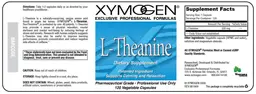
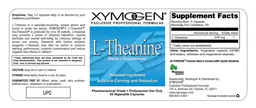
Top-rated L-Theanine products
Ranked by safety score and evidence coverage


How it's sold
Data aggregated from 408 product labels
Research evidence
Showing top 10 of 37 sources, sorted by quality
Objective: Sleep problems are a common complaint among adults worldwide, however, the use of prescription and over-the-counter products may not always be an appropriate or desirable solution. L-theanine is a naturally occurring, non-protein…
This systematic review ansd meta-analysis aimed to evaluate the effects of L-theanine, a non-proteinogenic amino acid found in tea, on sleep outcomes. Literature searches were conducted in five electronic databases (APA PsycINFO, CINAHL, Me…
The non-proteinic amino acid L-theanine and caffeine, a methylxanthine derivative, are naturally occurring ingredients in tea. The present study investigated the effect of a combination of 97 mg L-theanine and 40 mg caffeine as compared to …
This randomized, placebo-controlled, crossover, and double-blind trial aimed to examine the possible effects of four weeks L-theanine administration on stress-related symptoms and cognitive functions in healthy adults. Participants were 30 …
**Innocenti et al., 2023** | Int J Mol Sci | Systematic Review Innocenti Alice, Lentini Giuliana, ... Bruni Oliviero. The Role of Supplements and Over-the-Counter Products to Improve Sleep in Children: A Systematic Review. Int J Mol Sci. 20…
CONTEXT: The bioactive compounds found in tea from Camellia sinensis, namely theanine, caffeine, and polyphenols, can potentially improve short-term and long-term health outcomes. OBJECTIVE: The aim of this study was to assess the effects o…
This randomized, placebo-controlled, crossover and double-blind study investigates the effects of RLX2™ containing alpha-s1-casein tryptic hydrolysate and L-theanine in working adults affected by poor sleep quality. The supplement or placeb…
BACKGROUND: L-theanine is a non-protein-forming amino acid found in tea. Limited evidence suggests that it improves selective attention. Sleep deprivation impairs attention and psychomotor reactions, affecting automobile driving. We aimed t…
The aim of this study was to compare 50 mg caffeine, with and without 100 mg L-theanine, on cognition and mood in healthy volunteers. The effects of these treatments on word recognition, rapid visual information processing, critical flicker…
A systematic review and meta-analysis was conducted on 11 randomized placebo-controlled human studies of acute effects of tea constituents L-theanine and epigallocatechin gallate, administered alone or in combination with caffeine, on cogni…
Frequently asked questions
What is L-theanine and what is it used for?
L-theanine is a non-proteinogenic amino acid primarily found in tea that is used to promote relaxation and enhance cognitive function. Research indicates it often works synergistically with caffeine to improve focus and alertness without causing anxiety.
Does L-theanine help with anxiety and stress?
Yes, there is moderate evidence from multiple RCTs and systematic reviews suggesting L-theanine reduces stress-related symptoms and improves mood in healthy adults. However, you should consult a healthcare provider for personal advice, especially if you are managing anxiety with medication.
Can L-theanine improve sleep quality?
Systematic reviews and meta-analyses indicate moderate evidence for positive effects on sleep outcomes and quality in both children and adults. While it may help, it is not a substitute for prescribed sleep medications, so consult your doctor before use.
Does L-theanine improve focus and cognitive performance?
There is strong evidence that L-theanine, particularly when combined with caffeine, enhances selective attention, alertness, and cognitive function. This combination has been shown to improve subjective alertness and cognitive performance in healthy adults.
What is the effective dose of L-theanine?
Commonly studied doses range from 100 mg to 200 mg, often used alone or in combination with 50-100 mg of caffeine. These dosages are based on research showing benefits for relaxation and cognitive enhancement.
Is L-theanine safe and are there any side effects?
L-theanine is generally recognized as safe, but specific interactions with medications for anxiety or sleep should be monitored. Pregnant individuals or those on medication should consult a healthcare provider before use to ensure safety.
Does L-theanine interact with other medications?
While no drug interactions are documented in the provided data, specific interactions with medications for anxiety or sleep should be monitored. It is important to consult a healthcare provider to ensure it does not interfere with your current prescriptions.
Who should avoid taking L-theanine?
Individuals taking medications for anxiety or sleep should monitor for interactions and consult a healthcare provider. Pregnant individuals should also seek medical advice before use, as safety data for this group is not explicitly detailed in the evidence summary.