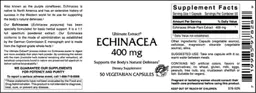
Echinacea

38 research sources Also known as: purple coneflower echinacea purpurea echinacea angustifolia
519 Products on Market
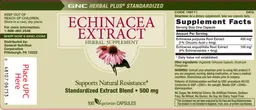
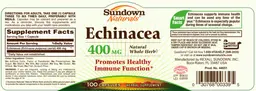
400.0 mg Median Dose
🟢 96/100 Market Safety Score
38 Research Sources
Browse 519 products →

Top-Rated Echinacea Products

View all Echinacea products → Best Echinacea rankings →

Evidence Summary

Echinacea is a widely used herbal supplement primarily utilized for the prevention and treatment of upper respiratory tract infections and the common cold. While there is a large volume of research, findings regarding its clinical efficacy remain inconsistent and controversial.

Evidence by Condition

Extensive meta-analyses and systematic reviews show varying results, with much of the evidence suggesting limited or inconsistent benefits for prevention and treatment.

Research indicates that Echinacea supplementation does not impact aerobic capacity or erythropoiesis in athletes.

The effectiveness and safety of Echinacea for treating upper respiratory infections and complications of otitis media in children remain debated.

Cough Insufficient

Evidence from meta-analyses of herbal medicines for cough is inconclusive regarding specific Echinacea benefits.

Effective Doses

Dose ranges are not specified in the provided research summaries.

Key Findings

  • Echinacea supplementation does not impact aerobic capacity and erythropoiesis in athletes (PMID: 38999738).
  • Large-scale Cochrane reviews and meta-analyses have found inconsistent evidence for the prevention and treatment of the common cold (PMID: 24554461).
  • There is evidence of potential interactions between herbal products and prescribed medications (PMID: 30660822).

Limitations

Research is characterized by significant controversy and inconsistent results across different preparations and study populations. There is a particular lack of definitive evidence regarding its use in pediatric populations.

Safety & Interactions

Users should be aware of potential interactions between Echinacea and prescribed medications.

AI-generated summary from 38 peer-reviewed studies. Not medical advice. Always consult a healthcare provider.

Drug-Supplement Interactions

Antiarrhythmics 🔴 Critical
Mechanism: Echinacea is a weak inhibitor of CYP2C9, which decreases metabolism of CYP2C9 substrates, potentially increasing their plasma concentrations and risk of adverse effects.
Effect: Increased plasma levels of amiodarone (antiarrhythmics), potentially leading to toxicity or enhanced adverse effects.
Management: Monitor for increased adverse effects of amiodarone. Dose reduction may be necessary. Consider alternative supplement or consult healthcare provider.
Evidence: cyp-inferred
Anticonvulsants 🔴 Critical
Mechanism: Echinacea is a moderate inhibitor of CYP3A4, which decreases metabolism of CYP3A4 substrates, potentially increasing their plasma concentrations and risk of adverse effects.
Effect: Increased plasma levels of carbamazepine (anticonvulsants), potentially leading to toxicity or enhanced adverse effects.
Management: Monitor for increased adverse effects of carbamazepine. Dose reduction may be necessary. Consider alternative supplement or consult healthcare provider.
Evidence: cyp-inferred
Antipsychotics 🔴 Critical
Mechanism: Echinacea is a moderate inhibitor of CYP1A2, which decreases metabolism of CYP1A2 substrates, potentially increasing their plasma concentrations and risk of adverse effects.
Effect: Increased plasma levels of clozapine (antipsychotics), potentially leading to toxicity or enhanced adverse effects.
Management: Monitor for increased adverse effects of clozapine. Dose reduction may be necessary. Consider alternative supplement or consult healthcare provider.
Evidence: cyp-inferred
GI Prokinetics 🔴 Critical
Mechanism: Echinacea is a moderate inhibitor of CYP3A4, which decreases metabolism of CYP3A4 substrates, potentially increasing their plasma concentrations and risk of adverse effects.
Effect: Increased plasma levels of cisapride (gi-prokinetics), potentially leading to toxicity or enhanced adverse effects.
Management: Monitor for increased adverse effects of cisapride. Dose reduction may be necessary. Consider alternative supplement or consult healthcare provider.
Evidence: cyp-inferred
ADHD Medications 🟡 Moderate
Mechanism: Echinacea is a weak inhibitor of CYP2D6, which decreases metabolism of CYP2D6 substrates, potentially increasing their plasma concentrations and risk of adverse effects.
Effect: Increased plasma levels of atomoxetine (adhd-medications), potentially leading to toxicity or enhanced adverse effects.
Management: Monitor for increased adverse effects of atomoxetine. Dose reduction may be necessary. Consider alternative supplement or consult healthcare provider.
Evidence: cyp-inferred
ARB 🟡 Moderate
Mechanism: Echinacea is a weak inhibitor of CYP2C9, which decreases metabolism of CYP2C9 substrates, potentially increasing their plasma concentrations and risk of adverse effects.
Effect: Increased plasma levels of losartan (arb), potentially leading to toxicity or enhanced adverse effects.
Management: Monitor for increased adverse effects of losartan. Dose reduction may be necessary. Consider alternative supplement or consult healthcare provider.
Evidence: cyp-inferred
Abemaciclib 🟡 Moderate
Mechanism: Interaction identified from DDInter 2.0 database. Specific drugs: Abemaciclib
Effect: See mechanism description
Management: Consult healthcare provider before combining.
Evidence: ddinter-verified
Abiraterone 🟡 Moderate
Mechanism: Interaction identified from DDInter 2.0 database. Specific drugs: Abiraterone
Effect: See mechanism description
Management: Consult healthcare provider before combining.
Evidence: ddinter-verified
Albendazole 🟡 Moderate
Mechanism: Interaction identified from DDInter 2.0 database. Specific drugs: Albendazole
Effect: See mechanism description
Management: Consult healthcare provider before combining.
Evidence: ddinter-verified
Analgesics 🟡 Moderate
Mechanism: Echinacea is a moderate inhibitor of CYP1A2, which decreases metabolism of CYP1A2 substrates, potentially increasing their plasma concentrations and risk of adverse effects.
Effect: Increased plasma levels of acetaminophen (analgesics), potentially leading to toxicity or enhanced adverse effects.
Management: Monitor for increased adverse effects of acetaminophen. Dose reduction may be necessary. Consider alternative supplement or consult healthcare provider.
Evidence: cyp-inferred
Antibiotics 🟡 Moderate
Mechanism: Interaction identified from DDInter 2.0 database. Specific drugs: Clarithromycin, Thiabendazole, Thiabendazole
Effect: See mechanism description
Management: Consult healthcare provider before combining.
Evidence: ddinter-verified
Anticoagulants 🟡 Moderate
Mechanism: Interaction identified from DDInter 2.0 database. Specific drugs: Apixaban, Rivaroxaban
Effect: See mechanism description
Management: Consult healthcare provider before combining.
Evidence: ddinter-verified
Antidiabetic Drugs 🟡 Moderate
Mechanism: Interaction identified from DDInter 2.0 database. Specific drugs: Saxagliptin, Linagliptin, Repaglinide, Troglitazone
Effect: See mechanism description
Management: Consult healthcare provider before combining.
Evidence: ddinter-verified
Antiemetics 🟡 Moderate
Mechanism: Echinacea is a weak inhibitor of CYP2D6, which decreases metabolism of CYP2D6 substrates, potentially increasing their plasma concentrations and risk of adverse effects.
Effect: Increased plasma levels of ondansetron (antiemetics), potentially leading to toxicity or enhanced adverse effects.
Management: Monitor for increased adverse effects of ondansetron. Dose reduction may be necessary. Consider alternative supplement or consult healthcare provider.
Evidence: cyp-inferred
Antifungals 🟡 Moderate
Mechanism: Echinacea is a moderate inhibitor of CYP3A4, which decreases metabolism of CYP3A4 substrates, potentially increasing their plasma concentrations and risk of adverse effects.
Effect: Increased plasma levels of fluconazole (antifungals), potentially leading to toxicity or enhanced adverse effects.
Management: Monitor for increased adverse effects of fluconazole. Dose reduction may be necessary. Consider alternative supplement or consult healthcare provider.
Evidence: cyp-inferred
Antiplatelet Drugs 🟡 Moderate
Mechanism: Interaction identified from DDInter 2.0 database. Specific drugs: Cilostazol, Clopidogrel, Ticagrelor, Vorapaxar, Anagrelide
Effect: See mechanism description
Management: Consult healthcare provider before combining.
Evidence: ddinter-verified
Antitussives 🟡 Moderate
Mechanism: Echinacea is a weak inhibitor of CYP2D6, which decreases metabolism of CYP2D6 substrates, potentially increasing their plasma concentrations and risk of adverse effects.
Effect: Increased plasma levels of dextromethorphan (antitussives), potentially leading to toxicity or enhanced adverse effects.
Management: Monitor for increased adverse effects of dextromethorphan. Dose reduction may be necessary. Consider alternative supplement or consult healthcare provider.
Evidence: cyp-inferred
Apremilast 🟡 Moderate
Mechanism: Interaction identified from DDInter 2.0 database. Specific drugs: Apremilast
Effect: See mechanism description
Management: Consult healthcare provider before combining.
Evidence: ddinter-verified
Aprepitant 🟡 Moderate
Mechanism: Interaction identified from DDInter 2.0 database. Specific drugs: Aprepitant
Effect: See mechanism description
Management: Consult healthcare provider before combining.
Evidence: ddinter-verified
Astemizole 🟡 Moderate
Mechanism: Interaction identified from DDInter 2.0 database. Specific drugs: Astemizole
Effect: See mechanism description
Management: Consult healthcare provider before combining.
Evidence: ddinter-verified
Axitinib 🟡 Moderate
Mechanism: Interaction identified from DDInter 2.0 database. Specific drugs: Axitinib
Effect: See mechanism description
Management: Consult healthcare provider before combining.
Evidence: ddinter-verified
Azelastine (nasal) 🟡 Moderate
Mechanism: Interaction identified from DDInter 2.0 database. Specific drugs: Azelastine (nasal)
Effect: See mechanism description
Management: Consult healthcare provider before combining.
Evidence: ddinter-verified
Benzodiazepines 🟡 Moderate
Mechanism: Echinacea is a moderate inhibitor of CYP3A4, which decreases metabolism of CYP3A4 substrates, potentially increasing their plasma concentrations and risk of adverse effects.
Effect: Increased plasma levels of midazolam (benzodiazepines), potentially leading to toxicity or enhanced adverse effects.
Management: Monitor for increased adverse effects of midazolam. Dose reduction may be necessary. Consider alternative supplement or consult healthcare provider.
Evidence: cyp-inferred
Beta Blockers 🟡 Moderate
Mechanism: Echinacea is a moderate inhibitor of CYP1A2, which decreases metabolism of CYP1A2 substrates, potentially increasing their plasma concentrations and risk of adverse effects.
Effect: Increased plasma levels of propranolol (beta-blockers), potentially leading to toxicity or enhanced adverse effects.
Management: Monitor for increased adverse effects of propranolol. Dose reduction may be necessary. Consider alternative supplement or consult healthcare provider.
Evidence: cyp-inferred
Beta-2 Agonists 🟡 Moderate
Mechanism: Echinacea is a moderate inhibitor of CYP3A4, which decreases metabolism of CYP3A4 substrates, potentially increasing their plasma concentrations and risk of adverse effects.
Effect: Increased plasma levels of salmeterol (beta2-agonists), potentially leading to toxicity or enhanced adverse effects.
Management: Monitor for increased adverse effects of salmeterol. Dose reduction may be necessary. Consider alternative supplement or consult healthcare provider.
Evidence: cyp-inferred
Bortezomib 🟡 Moderate
Mechanism: Interaction identified from DDInter 2.0 database. Specific drugs: Bortezomib
Effect: See mechanism description
Management: Consult healthcare provider before combining.
Evidence: ddinter-verified
Bosutinib 🟡 Moderate
Mechanism: Interaction identified from DDInter 2.0 database. Specific drugs: Bosutinib
Effect: See mechanism description
Management: Consult healthcare provider before combining.
Evidence: ddinter-verified
Brentuximab vedotin 🟡 Moderate
Mechanism: Interaction identified from DDInter 2.0 database. Specific drugs: Brentuximab vedotin
Effect: See mechanism description
Management: Consult healthcare provider before combining.
Evidence: ddinter-verified
Brigatinib 🟡 Moderate
Mechanism: Interaction identified from DDInter 2.0 database. Specific drugs: Brigatinib
Effect: See mechanism description
Management: Consult healthcare provider before combining.
Evidence: ddinter-verified
CFTR Modulators 🟡 Moderate
Mechanism: Echinacea is a moderate inhibitor of CYP3A4, which decreases metabolism of CYP3A4 substrates, potentially increasing their plasma concentrations and risk of adverse effects.
Effect: Increased plasma levels of ivacaftor (cftr-modulators), potentially leading to toxicity or enhanced adverse effects.
Management: Monitor for increased adverse effects of ivacaftor. Dose reduction may be necessary. Consider alternative supplement or consult healthcare provider.
Evidence: cyp-inferred
Cabazitaxel 🟡 Moderate
Mechanism: Interaction identified from DDInter 2.0 database. Specific drugs: Cabazitaxel
Effect: See mechanism description
Management: Consult healthcare provider before combining.
Evidence: ddinter-verified
Cabozantinib 🟡 Moderate
Mechanism: Interaction identified from DDInter 2.0 database. Specific drugs: Cabozantinib
Effect: See mechanism description
Management: Consult healthcare provider before combining.
Evidence: ddinter-verified
Caffeine 🟡 Moderate
Mechanism: Echinacea is a moderate inhibitor of CYP1A2, which decreases metabolism of CYP1A2 substrates, potentially increasing their plasma concentrations and risk of adverse effects.
Effect: Increased plasma levels of caffeine (caffeine), potentially leading to toxicity or enhanced adverse effects.
Management: Monitor for increased adverse effects of caffeine. Dose reduction may be necessary. Consider alternative supplement or consult healthcare provider.
Evidence: cyp-inferred
Calcium Channel Blockers 🟡 Moderate
Mechanism: Echinacea is a moderate inhibitor of CYP1A2, which decreases metabolism of CYP1A2 substrates, potentially increasing their plasma concentrations and risk of adverse effects.
Effect: Increased plasma levels of verapamil (calcium-channel-blockers), potentially leading to toxicity or enhanced adverse effects.
Management: Monitor for increased adverse effects of verapamil. Dose reduction may be necessary. Consider alternative supplement or consult healthcare provider.
Evidence: cyp-inferred
Chemotherapy 🟡 Moderate
Mechanism: Interaction identified from DDInter 2.0 database. Specific drugs: Eltrombopag, Bendamustine
Effect: See mechanism description
Management: Consult healthcare provider before combining.
Evidence: ddinter-verified
Ciclesonide 🟡 Moderate
Mechanism: Interaction identified from DDInter 2.0 database. Specific drugs: Ciclesonide
Effect: See mechanism description
Management: Consult healthcare provider before combining.
Evidence: ddinter-verified
Cisapride 🟡 Moderate
Mechanism: Interaction identified from DDInter 2.0 database. Specific drugs: Cisapride
Effect: See mechanism description
Management: Consult healthcare provider before combining.
Evidence: ddinter-verified
Cobicistat 🟡 Moderate
Mechanism: Interaction identified from DDInter 2.0 database. Specific drugs: Cobicistat
Effect: See mechanism description
Management: Consult healthcare provider before combining.
Evidence: ddinter-verified
Corticosteroids 🟡 Moderate
Mechanism: Interaction identified from DDInter 2.0 database. Specific drugs: Hydrocortisone, Triamcinolone, Dexamethasone, Betamethasone, Budesonide, Prednisone, Prednisolone, Hydrocortisone, Triamcinolone, Dexamethasone, Betamethasone, Budesonide, Methylprednisolone, Prednisolone, Hydrocortisone, Triamcinolone, Dexamethasone, Betamethasone, Deflazacort, Methylprednisolone, Prednisone, Prednisolone, Fludrocortisone, Hydrocortisone, Triamcinolone, Dexamethasone, Betamethasone, Budesonide, Prednisolone, Prednisolone
Effect: See mechanism description
Management: Consult healthcare provider before combining.
Evidence: ddinter-verified
Dapsone 🟡 Moderate
Mechanism: Interaction identified from DDInter 2.0 database. Specific drugs: Dapsone
Effect: See mechanism description
Management: Consult healthcare provider before combining.
Evidence: ddinter-verified
Dexfenfluramine 🟡 Moderate
Mechanism: Interaction identified from DDInter 2.0 database. Specific drugs: Dexfenfluramine
Effect: See mechanism description
Management: Consult healthcare provider before combining.
Evidence: ddinter-verified
Disulfiram 🟡 Moderate
Mechanism: Interaction identified from DDInter 2.0 database. Specific drugs: Disulfiram
Effect: See mechanism description
Management: Consult healthcare provider before combining.
Evidence: ddinter-verified
Dolasetron 🟡 Moderate
Mechanism: Interaction identified from DDInter 2.0 database. Specific drugs: Dolasetron
Effect: See mechanism description
Management: Consult healthcare provider before combining.
Evidence: ddinter-verified
Dopamine Agonists 🟡 Moderate
Mechanism: Echinacea is a moderate inhibitor of CYP1A2, which decreases metabolism of CYP1A2 substrates, potentially increasing their plasma concentrations and risk of adverse effects.
Effect: Increased plasma levels of ropinirole (dopamine-agonists), potentially leading to toxicity or enhanced adverse effects.
Management: Monitor for increased adverse effects of ropinirole. Dose reduction may be necessary. Consider alternative supplement or consult healthcare provider.
Evidence: cyp-inferred
Doxercalciferol 🟡 Moderate
Mechanism: Interaction identified from DDInter 2.0 database. Specific drugs: Doxercalciferol
Effect: See mechanism description
Management: Consult healthcare provider before combining.
Evidence: ddinter-verified
Eliglustat 🟡 Moderate
Mechanism: Interaction identified from DDInter 2.0 database. Specific drugs: Eliglustat
Effect: See mechanism description
Management: Consult healthcare provider before combining.
Evidence: ddinter-verified
Erythromycin 🟡 Moderate
Mechanism: Interaction identified from DDInter 2.0 database. Specific drugs: Erythromycin
Effect: See mechanism description
Management: Consult healthcare provider before combining.
Evidence: ddinter-verified
Ethinylestradiol 🟡 Moderate
Mechanism: Interaction identified from DDInter 2.0 database. Specific drugs: Ethinylestradiol
Effect: See mechanism description
Management: Consult healthcare provider before combining.
Evidence: ddinter-verified
Fluticasone 🟡 Moderate
Mechanism: Interaction identified from DDInter 2.0 database. Specific drugs: Fluticasone
Effect: See mechanism description
Management: Consult healthcare provider before combining.
Evidence: ddinter-verified
Fluticasone (nasal) 🟡 Moderate
Mechanism: Interaction identified from DDInter 2.0 database. Specific drugs: Fluticasone (nasal)
Effect: See mechanism description
Management: Consult healthcare provider before combining.
Evidence: ddinter-verified
Fluticasone (topical) 🟡 Moderate
Mechanism: Interaction identified from DDInter 2.0 database. Specific drugs: Fluticasone (topical)
Effect: See mechanism description
Management: Consult healthcare provider before combining.
Evidence: ddinter-verified
Gastrointestinal Drugs 🟡 Moderate
Mechanism: Interaction identified from DDInter 2.0 database. Specific drugs: Alosetron
Effect: See mechanism description
Management: Consult healthcare provider before combining.
Evidence: ddinter-verified
Granisetron 🟡 Moderate
Mechanism: Interaction identified from DDInter 2.0 database. Specific drugs: Granisetron
Effect: See mechanism description
Management: Consult healthcare provider before combining.
Evidence: ddinter-verified
Halofantrine 🟡 Moderate
Mechanism: Interaction identified from DDInter 2.0 database. Specific drugs: Halofantrine
Effect: See mechanism description
Management: Consult healthcare provider before combining.
Evidence: ddinter-verified
Hydrocodone 🟡 Moderate
Mechanism: Interaction identified from DDInter 2.0 database. Specific drugs: Hydrocodone
Effect: See mechanism description
Management: Consult healthcare provider before combining.
Evidence: ddinter-verified
Immunosuppressants 🟡 Moderate
Mechanism: Echinacea stimulates immune function, potentially counteracting immunosuppressive drugs.
Effect: Reduced immunosuppression; possible organ rejection or autoimmune flare
Management: Avoid in transplant patients and those on immunosuppressive therapy.
Evidence: theoretical
Indacaterol 🟡 Moderate
Mechanism: Interaction identified from DDInter 2.0 database. Specific drugs: Indacaterol
Effect: See mechanism description
Management: Consult healthcare provider before combining.
Evidence: ddinter-verified
Ivacaftor 🟡 Moderate
Mechanism: Interaction identified from DDInter 2.0 database. Specific drugs: Ivacaftor
Effect: See mechanism description
Management: Consult healthcare provider before combining.
Evidence: ddinter-verified
Ivermectin 🟡 Moderate
Mechanism: Interaction identified from DDInter 2.0 database. Specific drugs: Ivermectin
Effect: See mechanism description
Management: Consult healthcare provider before combining.
Evidence: ddinter-verified
Ivermectin (topical) 🟡 Moderate
Mechanism: Interaction identified from DDInter 2.0 database. Specific drugs: Ivermectin (topical)
Effect: See mechanism description
Management: Consult healthcare provider before combining.
Evidence: ddinter-verified
Ketoconazole 🟡 Moderate
Mechanism: Interaction identified from DDInter 2.0 database. Specific drugs: Ketoconazole
Effect: See mechanism description
Management: Consult healthcare provider before combining.
Evidence: ddinter-verified
Leukotriene Antagonists 🟡 Moderate
Mechanism: Echinacea is a moderate inhibitor of CYP3A4, which decreases metabolism of CYP3A4 substrates, potentially increasing their plasma concentrations and risk of adverse effects.
Effect: Increased plasma levels of montelukast (leukotriene-antagonists), potentially leading to toxicity or enhanced adverse effects.
Management: Monitor for increased adverse effects of montelukast. Dose reduction may be necessary. Consider alternative supplement or consult healthcare provider.
Evidence: cyp-inferred
Lidocaine 🟡 Moderate
Mechanism: Interaction identified from DDInter 2.0 database. Specific drugs: Lidocaine
Effect: See mechanism description
Management: Consult healthcare provider before combining.
Evidence: ddinter-verified
Loratadine 🟡 Moderate
Mechanism: Interaction identified from DDInter 2.0 database. Specific drugs: Loratadine
Effect: See mechanism description
Management: Consult healthcare provider before combining.
Evidence: ddinter-verified
Lumefantrine 🟡 Moderate
Mechanism: Interaction identified from DDInter 2.0 database. Specific drugs: Lumefantrine
Effect: See mechanism description
Management: Consult healthcare provider before combining.
Evidence: ddinter-verified
MAOI 🟡 Moderate
Mechanism: Echinacea is a moderate inhibitor of CYP1A2, which decreases metabolism of CYP1A2 substrates, potentially increasing their plasma concentrations and risk of adverse effects.
Effect: Increased plasma levels of rasagiline (maoi), potentially leading to toxicity or enhanced adverse effects.
Management: Monitor for increased adverse effects of rasagiline. Dose reduction may be necessary. Consider alternative supplement or consult healthcare provider.
Evidence: cyp-inferred
Mefloquine 🟡 Moderate
Mechanism: Interaction identified from DDInter 2.0 database. Specific drugs: Mefloquine
Effect: See mechanism description
Management: Consult healthcare provider before combining.
Evidence: ddinter-verified
Melatonin 🟡 Moderate
Mechanism: Echinacea is a moderate inhibitor of CYP1A2, which decreases metabolism of CYP1A2 substrates, potentially increasing their plasma concentrations and risk of adverse effects.
Effect: Increased plasma levels of melatonin (melatonin), potentially leading to toxicity or enhanced adverse effects.
Management: Monitor for increased adverse effects of melatonin. Dose reduction may be necessary. Consider alternative supplement or consult healthcare provider.
Evidence: cyp-inferred
Montelukast 🟡 Moderate
Mechanism: Interaction identified from DDInter 2.0 database. Specific drugs: Montelukast
Effect: See mechanism description
Management: Consult healthcare provider before combining.
Evidence: ddinter-verified
NSAIDs 🟡 Moderate
Mechanism: Echinacea is a weak inhibitor of CYP2C9, which decreases metabolism of CYP2C9 substrates, potentially increasing their plasma concentrations and risk of adverse effects.
Effect: Increased plasma levels of ibuprofen (nsaids), potentially leading to toxicity or enhanced adverse effects.
Management: Monitor for increased adverse effects of ibuprofen. Dose reduction may be necessary. Consider alternative supplement or consult healthcare provider.
Evidence: cyp-inferred
Naldemedine 🟡 Moderate
Mechanism: Interaction identified from DDInter 2.0 database. Specific drugs: Naldemedine
Effect: See mechanism description
Management: Consult healthcare provider before combining.
Evidence: ddinter-verified
Naloxegol 🟡 Moderate
Mechanism: Interaction identified from DDInter 2.0 database. Specific drugs: Naloxegol
Effect: See mechanism description
Management: Consult healthcare provider before combining.
Evidence: ddinter-verified
Nitisinone 🟡 Moderate
Mechanism: Interaction identified from DDInter 2.0 database. Specific drugs: Nitisinone
Effect: See mechanism description
Management: Consult healthcare provider before combining.
Evidence: ddinter-verified
Ondansetron 🟡 Moderate
Mechanism: Interaction identified from DDInter 2.0 database. Specific drugs: Ondansetron
Effect: See mechanism description
Management: Consult healthcare provider before combining.
Evidence: ddinter-verified
Opioids 🟡 Moderate
Mechanism: Echinacea is a moderate inhibitor of CYP3A4, which decreases metabolism of CYP3A4 substrates, potentially increasing their plasma concentrations and risk of adverse effects.
Effect: Increased plasma levels of methadone (opioids), potentially leading to toxicity or enhanced adverse effects.
Management: Monitor for increased adverse effects of methadone. Dose reduction may be necessary. Consider alternative supplement or consult healthcare provider.
Evidence: cyp-inferred
Oral Contraceptives 🟡 Moderate
Mechanism: Echinacea is a moderate inhibitor of CYP3A4, which decreases metabolism of CYP3A4 substrates, potentially increasing their plasma concentrations and risk of adverse effects.
Effect: Increased plasma levels of ethinylestradiol (oral-contraceptives), potentially leading to toxicity or enhanced adverse effects.
Management: Monitor for increased adverse effects of ethinylestradiol. Dose reduction may be necessary. Consider alternative supplement or consult healthcare provider.
Evidence: cyp-inferred
PDE5 Inhibitors 🟡 Moderate
Mechanism: Echinacea is a moderate inhibitor of CYP3A4, which decreases metabolism of CYP3A4 substrates, potentially increasing their plasma concentrations and risk of adverse effects.
Effect: Increased plasma levels of sildenafil (pde5-inhibitors), potentially leading to toxicity or enhanced adverse effects.
Management: Monitor for increased adverse effects of sildenafil. Dose reduction may be necessary. Consider alternative supplement or consult healthcare provider.
Evidence: cyp-inferred
Paclitaxel 🟡 Moderate
Mechanism: Interaction identified from DDInter 2.0 database. Specific drugs: Paclitaxel
Effect: See mechanism description
Management: Consult healthcare provider before combining.
Evidence: ddinter-verified
Paricalcitol 🟡 Moderate
Mechanism: Interaction identified from DDInter 2.0 database. Specific drugs: Paricalcitol
Effect: See mechanism description
Management: Consult healthcare provider before combining.
Evidence: ddinter-verified
Pentoxifylline 🟡 Moderate
Mechanism: Interaction identified from DDInter 2.0 database. Specific drugs: Pentoxifylline
Effect: See mechanism description
Management: Consult healthcare provider before combining.
Evidence: ddinter-verified
Pimecrolimus (topical) 🟡 Moderate
Mechanism: Interaction identified from DDInter 2.0 database. Specific drugs: Pimecrolimus (topical)
Effect: See mechanism description
Management: Consult healthcare provider before combining.
Evidence: ddinter-verified
Ppis 🟡 Moderate
Mechanism: Interaction identified from DDInter 2.0 database. Specific drugs: Rabeprazole, Lansoprazole
Effect: See mechanism description
Management: Consult healthcare provider before combining.
Evidence: ddinter-verified
Praziquantel 🟡 Moderate
Mechanism: Interaction identified from DDInter 2.0 database. Specific drugs: Praziquantel
Effect: See mechanism description
Management: Consult healthcare provider before combining.
Evidence: ddinter-verified
Quinine 🟡 Moderate
Mechanism: Interaction identified from DDInter 2.0 database. Specific drugs: Quinine
Effect: See mechanism description
Management: Consult healthcare provider before combining.
Evidence: ddinter-verified
Retapamulin (topical) 🟡 Moderate
Mechanism: Interaction identified from DDInter 2.0 database. Specific drugs: Retapamulin (topical)
Effect: See mechanism description
Management: Consult healthcare provider before combining.
Evidence: ddinter-verified
Retinoids 🟡 Moderate
Mechanism: Interaction identified from DDInter 2.0 database. Specific drugs: Isotretinoin, Tretinoin, Bexarotene
Effect: See mechanism description
Management: Consult healthcare provider before combining.
Evidence: ddinter-verified
Roflumilast 🟡 Moderate
Mechanism: Interaction identified from DDInter 2.0 database. Specific drugs: Roflumilast
Effect: See mechanism description
Management: Consult healthcare provider before combining.
Evidence: ddinter-verified
Rolapitant 🟡 Moderate
Mechanism: Interaction identified from DDInter 2.0 database. Specific drugs: Rolapitant
Effect: See mechanism description
Management: Consult healthcare provider before combining.
Evidence: ddinter-verified
SNRI 🟡 Moderate
Mechanism: Echinacea is a moderate inhibitor of CYP1A2, which decreases metabolism of CYP1A2 substrates, potentially increasing their plasma concentrations and risk of adverse effects.
Effect: Increased plasma levels of duloxetine (snri), potentially leading to toxicity or enhanced adverse effects.
Management: Monitor for increased adverse effects of duloxetine. Dose reduction may be necessary. Consider alternative supplement or consult healthcare provider.
Evidence: cyp-inferred
SSRI 🟡 Moderate
Mechanism: Echinacea is a moderate inhibitor of CYP1A2, which decreases metabolism of CYP1A2 substrates, potentially increasing their plasma concentrations and risk of adverse effects.
Effect: Increased plasma levels of fluvoxamine (ssri), potentially leading to toxicity or enhanced adverse effects.
Management: Monitor for increased adverse effects of fluvoxamine. Dose reduction may be necessary. Consider alternative supplement or consult healthcare provider.
Evidence: cyp-inferred
Salmeterol 🟡 Moderate
Mechanism: Interaction identified from DDInter 2.0 database. Specific drugs: Salmeterol
Effect: See mechanism description
Management: Consult healthcare provider before combining.
Evidence: ddinter-verified
Sibutramine 🟡 Moderate
Mechanism: Interaction identified from DDInter 2.0 database. Specific drugs: Sibutramine
Effect: See mechanism description
Management: Consult healthcare provider before combining.
Evidence: ddinter-verified
Simvastatin 🟡 Moderate
Mechanism: Interaction identified from DDInter 2.0 database. Specific drugs: Simvastatin
Effect: See mechanism description
Management: Consult healthcare provider before combining.
Evidence: ddinter-verified
Statins 🟡 Moderate
Mechanism: Echinacea is a moderate inhibitor of CYP3A4, which decreases metabolism of CYP3A4 substrates, potentially increasing their plasma concentrations and risk of adverse effects.
Effect: Increased plasma levels of simvastatin (statins), potentially leading to toxicity or enhanced adverse effects.
Management: Monitor for increased adverse effects of simvastatin. Dose reduction may be necessary. Consider alternative supplement or consult healthcare provider.
Evidence: cyp-inferred
Terbinafine 🟡 Moderate
Mechanism: Interaction identified from DDInter 2.0 database. Specific drugs: Terbinafine
Effect: See mechanism description
Management: Consult healthcare provider before combining.
Evidence: ddinter-verified
Terfenadine 🟡 Moderate
Mechanism: Interaction identified from DDInter 2.0 database. Specific drugs: Terfenadine
Effect: See mechanism description
Management: Consult healthcare provider before combining.
Evidence: ddinter-verified
Theophylline 🟡 Moderate
Mechanism: Interaction identified from DDInter 2.0 database. Specific drugs: Theophylline
Effect: See mechanism description
Management: Consult healthcare provider before combining.
Evidence: ddinter-verified
Tinidazole 🟡 Moderate
Mechanism: Interaction identified from DDInter 2.0 database. Specific drugs: Tinidazole
Effect: See mechanism description
Management: Consult healthcare provider before combining.
Evidence: ddinter-verified
Mechanism: Echinacea is a moderate inhibitor of CYP3A4, which decreases metabolism of CYP3A4 substrates, potentially increasing their plasma concentrations and risk of adverse effects.
Effect: Increased plasma levels of amitriptyline (tricyclic-antidepressants), potentially leading to toxicity or enhanced adverse effects.
Management: Monitor for increased adverse effects of amitriptyline. Dose reduction may be necessary. Consider alternative supplement or consult healthcare provider.
Evidence: cyp-inferred
Vilanterol 🟡 Moderate
Mechanism: Interaction identified from DDInter 2.0 database. Specific drugs: Vilanterol
Effect: See mechanism description
Management: Consult healthcare provider before combining.
Evidence: ddinter-verified
Warfarin 🟡 Moderate
Mechanism: Interaction identified from DDInter 2.0 database. Specific drugs: Warfarin
Effect: See mechanism description
Management: Consult healthcare provider before combining.
Evidence: ddinter-verified
Midazolam 🟢 Minor
Mechanism: Echinacea may inhibit intestinal CYP3A4 but induce hepatic CYP3A4, with net effect on midazolam being variable.
Effect: Variable effect on midazolam levels depending on route of administration
Management: Monitor for altered sedative effect. Minor clinical concern for most patients.
Evidence: possible

⚠️ This information is for educational purposes only and does not constitute medical advice. Always consult your healthcare provider before combining supplements with medications.

Claims vs. Evidence

100% Evidence-Backed
0% Unsupported
74% Structure/Function
Claim Type% of ProductsEvidence RequiredStatus
All Other 99% Tier D (Unclassified) ✅ Supported
Structure/Function 74% Tier C (DSHEA Structure/Function (no pre-approval)) ✅ Supported
Nutrient 3% Tier D (Unknown) ✅ Supported
No Claim 1% Tier D (No claim on label) ✅ Supported
Qualified Health 0% Tier B (FDA Qualified Health Claim) ✅ Supported

🏛️ NIH ODS Factsheet

Research by Topic

⚠️ FDA Safety Data

Research Evidence (38)

Meta Analysis: 15 Systematic Review: 12 Rct: 6 Clinical Trial: 2 Regulatory Source: 1 Openfda Safety: 1
A Echinacea for preventing and treating the common cold
Meta Analysis The Cochrane database of systematic reviews 2014 n=4631

BACKGROUND: Echinacea plant preparations (family Asteraceae) are widely used in Europe and North America for common colds. Most consumers and physicians are not aware that products available under the term Echinacea differ appreciably in their compos...

B Efficacy and safety of Echinacea purpurea in treating upper respiratory infections and complications of otitis media in children: Systematic review and meta-analysis
Meta Analysis Clinical nutrition ESPEN 2025 n=1518

BACKGROUND: Echinacea purpurea is widely utilized in dietary supplements, nutraceuticals, and herbal medicine, yet its effectiveness and safety for children remain debated. OBJECTIVE: To evaluate the effectiveness and safety of E. purpurea in the tre...

B Echinacea for preventing and treating the common cold
Systematic Review The Cochrane database of systematic reviews 2000 n=3396

BACKGROUND: Extracts of the plant Echinacea (family Compositae) are widely used in some European countries and the USA for upper respiratory tract infections. OBJECTIVES: The objective of this review was to assess the effects of preparations containi...

B Echinacea Supplementation Does Not Impact Aerobic Capacity and Erythropoiesis in Athletes: A Meta-Analysis
Meta Analysis Nutrients 2024 n=502

**Deccy et al., 2024** | Nutrients | Meta Analysis Deccy Stephanie, Bartkowiak Callie, ... Paultre Kristopher. Echinacea Supplementation Does Not Impact Aerobic Capacity and Erythropoiesis in Athletes: A Meta-Analysis. Nutrients. 2024-Jun-22;16(13). ...

B Echinacea for preventing and treating the common cold
Meta Analysis The Cochrane database of systematic reviews 2006

BACKGROUND: Preparations of the plant Echinacea (family Compositae) are widely used in some European countries and in North America for common colds. Most consumers and physicians are not aware that products available under the term Echinacea differ ...

B Therapeutic Potential of a Natural Blend of Aronia melancarpa, Lonicera caerulea, and Echinacea purpurea Extracts in Treating Upper Respiratory Tract Infections: Preliminary Clinical and In Vitro Immunomodulatory Insights
Rct International journal of molecular sciences 2024 n=61

Upper respiratory tract infections (URTIs) are a prevalent health issue, causing considerable morbidity. Despite the availability of conventional treatments, there is an increasing interest in natural products due to their potential antiviral and imm...

B Herbal Medicine in Children With Respiratory Tract Infection: Systematic Review and Meta-Analysis
Meta Analysis Academic pediatrics 2018 n=2181

**Anheyer et al., 2018** | Acad Pediatr | Meta Analysis Anheyer Dennis, Cramer Holger, ... Dobos Gustav. Herbal Medicine in Children With Respiratory Tract Infection: Systematic Review and Meta-Analysis. Acad Pediatr. 2018;18(1):8-19. doi:10.1016/j.a...

B Evaluation of echinacea for the prevention and treatment of the common cold: a meta-analysis
Meta Analysis The Lancet. Infectious diseases 2007

Echinacea is one of the most commonly used herbal products, but controversy exists about its benefit in the prevention and treatment of the common cold. Thus, we did a meta-analysis evaluating the effect of echinacea on the incidence and duration of ...

B Herbal Medicine for Cough: a Systematic Review and Meta-Analysis
Meta Analysis Forschende Komplementarmedizin (2006) 2015 n=7083

**Wagner et al., 2015** | Forsch Komplementmed | Meta Analysis Wagner Luise, Cramer Holger, ... Langhorst Jost. Herbal Medicine for Cough: a Systematic Review and Meta-Analysis. Forsch Komplementmed. 2015;22(6):359-68. doi:10.1159/000442111 BACKGROUN...

B Echinacea for the prevention and treatment of upper respiratory tract infections: A systematic review and meta-analysis
Meta Analysis Complementary therapies in medicine 2019

BACKGROUND: Echinacea preparations are commonly used to prevent and treat upper respiratory tract infection. OBJECTIVES: To assess current evidence for the safety and efficacy of echinacea containing preparations in preventing and treating upper resp...

B Rabbit dietary supplementation with pale purple coneflower. 1. Effects on the reproductive performance and immune parameters of does
Rct Animal : an international journal of animal bioscience 2016

**Dabbou et al., 2016** | Animal | Rct Dabbou S, Rotolo L, ... Gasco L. Rabbit dietary supplementation with pale purple coneflower. 1. Effects on the reproductive performance and immune parameters of does. Animal. 2016-Jul;10(7):1101-9. doi:10.1017/S...

B Efficacy of Functional Foods, Beverages, and Supplements Claiming to Alleviate Air Travel Symptoms: Systematic Review and Meta-Analysis
Meta Analysis Nutrients 2021 n=10

**Chan et al., 2021** | Nutrients | Meta Analysis Chan Virginia, Wang Leanne, Allman-Farinelli Margaret. Efficacy of Functional Foods, Beverages, and Supplements Claiming to Alleviate Air Travel Symptoms: Systematic Review and Meta-Analysis. Nutrient...

C Interaction of herbal products with prescribed medications: A systematic review and meta-analysis
Meta Analysis Pharmacological research 2019 n=32

**Awortwe et al., 2019** | Pharmacol Res | Meta Analysis Awortwe Charles, Bruckmueller Henrike, Cascorbi Ingolf. Interaction of herbal products with prescribed medications: A systematic review and meta-analysis. Pharmacol Res. 2019-Mar;141:397-408. d...

C Echinacea for treating the common cold: a randomized trial
Rct Annals of internal medicine 2010 n=719

**Barrett et al., 2010** | Ann Intern Med | Rct Barrett Bruce, Brown Roger, ... Ewers Tola. Echinacea for treating the common cold: a randomized trial. Ann Intern Med. 2010-Dec-21;153(12):769-77. doi:10.7326/0003-4819-153-12-201012210-00003 BACKGROUN...

C Common cold
Systematic Review BMJ clinical evidence 2008

**Arroll et al., 2008** | BMJ Clin Evid | Systematic Review Arroll Bruce. Common cold. BMJ Clin Evid. 2008-Jun-09;2008 INTRODUCTION: Each year, children suffer up to 5 colds and adults have 2-3 infections, leading to time off school or work, and cons...

C Common cold
Systematic Review BMJ clinical evidence 2011

**Arroll et al., 2011** | BMJ Clin Evid | Systematic Review Arroll Bruce. Common cold. BMJ Clin Evid. 2011-Mar-16;2011 INTRODUCTION: Each year, children suffer up to 5 colds and adults have two to three infections, leading to time off school or work,...

C The effect of Echinacea on upper respiratory infection symptom severity and quality of life
Meta Analysis Connecticut medicine 2006

We reviewed the current body of evidence supporting the use of Echinacea to reduce URI symptoms and improve QoL. Different Echinacea species have been administered either alone or in combination with other herbals and in various doses and dosage form...

C Efficacy of vitamin C for the prevention and treatment of upper respiratory tract infection. A meta-analysis in children
Meta Analysis European journal of clinical pharmacology 2019

**Vorilhon et al., 2019** | Eur J Clin Pharmacol | Meta Analysis Vorilhon Philippe, Arpajou Bastien, ... Cabaillot Aurélie. Efficacy of vitamin C for the prevention and treatment of upper respiratory tract infection. A meta-analysis in children. Eur ...

C Medicinal plants--prophylactic and therapeutic options for gastrointestinal and respiratory diseases in calves and piglets? A systematic review
Systematic Review BMC veterinary research 2016

**Ayrle et al., 2016** | BMC Vet Res | Systematic Review Ayrle Hannah, Mevissen Meike, ... Walkenhorst Michael. Medicinal plants--prophylactic and therapeutic options for gastrointestinal and respiratory diseases in calves and piglets? A systematic r...

C A systematic review of the traditional uses, chemistry, and curative aptitude of echinacoside-a phenylethanoid glycoside
Systematic Review Naunyn-Schmiedeberg's archives of pharmacology 2025

**Baidya et al., 2025** | Naunyn Schmiedebergs Arch Pharmacol | Systematic Review Baidya Ritika, Sarkar Biswatrish. A systematic review of the traditional uses, chemistry, and curative aptitude of echinacoside-a phenylethanoid glycoside. Naunyn Schmi...

C Phytotherapy for acute respiratory tract infections in children: a systematically conducted, comprehensive review
Systematic Review Frontiers in pediatrics 2025

**Kamin et al., 2025** | Front Pediatr | Systematic Review Kamin Wolfgang, Seifert Georg, ... Kara Ateş. Phytotherapy for acute respiratory tract infections in children: a systematically conducted, comprehensive review. Front Pediatr. 2025;13:1423250...

C Echinacea in the prevention of induced rhinovirus colds: a meta-analysis
Meta Analysis Clinical therapeutics 2006

**Schoop et al., 2006** | Clin Ther | Meta Analysis Schoop Roland, Klein Peter, ... Johnston Sebastian L. Echinacea in the prevention of induced rhinovirus colds: a meta-analysis. Clin Ther. 2006-Feb;28(2):174-83 BACKGROUND: The therapeutic effective...

C Evaluation of documented drug interactions and contraindications associated with herbs and dietary supplements: a systematic literature review
Systematic Review International journal of clinical practice 2012

**Tsai et al., 2012** | Int J Clin Pract | Systematic Review Tsai H-H, Lin H-W, ... Mahady G B. Evaluation of documented drug interactions and contraindications associated with herbs and dietary supplements: a systematic literature review. Int J Clin...

C The risk-benefit profile of commonly used herbal therapies: Ginkgo, St. John's Wort, Ginseng, Echinacea, Saw Palmetto, and Kava
Meta Analysis Annals of internal medicine 2002

**Ernst et al., 2002** | Ann Intern Med | Meta Analysis Ernst Edzard. The risk-benefit profile of commonly used herbal therapies: Ginkgo, St. John's Wort, Ginseng, Echinacea, Saw Palmetto, and Kava. Ann Intern Med. 2002-Jan-01;136(1):42-53 Because us...

C Immunopharmacology of the main herbal supplements: a review
Meta Analysis Endocrine, metabolic & immune disorders drug targets 2013

**Amico et al., 2013** | Endocr Metab Immune Disord Drug Targets | Meta Analysis Amico Angelo P, Terlizzi Annamaria, ... Fiore Pietro. Immunopharmacology of the main herbal supplements: a review. Endocr Metab Immune Disord Drug Targets. 2013-Dec;13(4...

C Clinical evidence of herbal drugs as perpetrators of pharmacokinetic drug interactions
Systematic Review Planta medica 2012 n=21

**Hermann et al., 2012** | Planta Med | Systematic Review Hermann Robert, von Richter Oliver. Clinical evidence of herbal drugs as perpetrators of pharmacokinetic drug interactions. Planta Med. 2012-Sep;78(13):1458-77. doi:10.1055/s-0032-1315117 The ...

C Investigating the effect of echinacea extraction syrup on the outcomes of lower respiratory infections in patients with COVID-19: a randomized clinical trial study
Rct Virology journal 2024 n=20

INTRODUCTION: Many COVID-19 patients experience mild to severe symptoms, including respiratory system involvement. Different treatment instructions have been suggested for patients with COVID-19. Echinacea has known antiviral effects. However, there ...

C Interaction: Echinacea × Immunosuppressants
Regulatory Source

**Severity**: MODERATE **Evidence**: theoretical Echinacea stimulates immune function, potentially counteracting immunosuppressive drugs. Reduced immunosuppression; possible organ rejection or autoimmune flare Avoid in transplant patients and those o...

C Alternative therapies for chronic rhinosinusitis: A review
Systematic Review Ear, nose, & throat journal 2018

**Griffin et al., 2018** | Ear Nose Throat J | Systematic Review Griffin Aaron S, Cabot Peter, ... Panizza Ben. Alternative therapies for chronic rhinosinusitis: A review. Ear Nose Throat J. 2018-Mar;97(3):E25-E33 The use of alternative medicine in c...

C The safety of herbal medicinal products derived from Echinacea species: a systematic review
Systematic Review Drug safety 2005

**Huntley et al., 2005** | Drug Saf | Systematic Review Huntley Alyson L, Thompson Coon Joanna, Ernst Edzard. The safety of herbal medicinal products derived from Echinacea species: a systematic review. Drug Saf. 2005;28(5):387-400 Echinacea spp. are...

C Interactions between herbal medicines and prescribed drugs: a systematic review
Systematic Review Drugs 2001

**Izzo et al., 2001** | Drugs | Systematic Review Izzo A A, Ernst E. Interactions between herbal medicines and prescribed drugs: a systematic review. Drugs. 2001;61(15):2163-75 Despite the widespread use of herbal medicines, documented herb-drug inte...

C An evidence-based systemic review Echinacea E. angustifolia DC, E. pallida, E. purpurea by the Natural Standard Research Collaboration
Systematic Review Journal of herbal pharmacotherapy 2005

**Basch et al., 2005** | J Herb Pharmacother | Systematic Review Basch Ethan, Ulbricht Catherine, ... Vora Mamta. An evidence-based systemic review Echinacea E. angustifolia DC, E. pallida, E. purpurea by the Natural Standard Research Collaboration. ...

C Bioavailability and pharmacokinetics of Echinacea purpurea preparations and their interaction with the immune system
Rct International journal of clinical pharmacology and therapeutics 2006

**Woelkart et al., 2006** | Int J Clin Pharmacol Ther | Rct Woelkart K, Marth E, ... Bauer R. Bioavailability and pharmacokinetics of Echinacea purpurea preparations and their interaction with the immune system. Int J Clin Pharmacol Ther. 2006-Sep;44...

C Echinacea-based Supplement Does Not Improve Markers of Performance in Athletes
Clinical Trial ClinicalTrials.gov 2012

**NCT ID**: NCT02134119 **Phase**: NA **Status**: COMPLETED **Enrollment**: 45 **Completion**: 2013-07

D Oral administration of freshly expressed juice of Echinacea purpurea herbs fail to stimulate the nonspecific immune response in healthy young men: results of a double-blind, placebo-controlled crossover study
Rct Journal of immunotherapy (Hagerstown, Md. : 1997) 2002

**Schwarz et al., 2002** | J Immunother | Rct Schwarz Eveline, Metzler Joerg, ... Bode J Christian. Oral administration of freshly expressed juice of Echinacea purpurea herbs fail to stimulate the nonspecific immune response in healthy young men: res...

D Drug Interactions of Echinacea, Ginseng, and Ginkgo Biloba Taken With Lopinavir/Ritonavir in Healthy Volunteers
Clinical Trial ClinicalTrials.gov 2005

**NCT ID**: NCT00103012 **Phase**: PHASE4 **Status**: COMPLETED **Enrollment**: 47 **Completion**: 2011-06

D Echinacea

**Source:** [Office of Dietary Supplements, NIH](https://ods.od.nih.gov/factsheets/Echinacea-HealthProfessional/) **Reading Level:** Health Professional This fact sheet from the NIH Office of Dietary Supplements provides evidence-based information ab...

D Adverse Event Profile: Echinacea
Openfda Safety FDA CAERS

**Source**: FDA Center for Food Safety and Applied Nutrition (CFSAN) Adverse Event Reporting System **Total Events**: 9 **Serious Events**: 5 **Date Range**: 20070928 to 20240116 - **HEADACHE**: 2

Related Supplements

Frequently Asked Questions

What is Echinacea and what is it used for?

Echinacea is an herbal supplement primarily used to help prevent and treat upper respiratory tract infections and the common cold. While it is widely used, research regarding its clinical effectiveness remains inconsistent.

Does Echinacea work for the common cold?

There is moderate evidence regarding Echinacea's use for the common cold, but results are controversial. Large-scale reviews suggest that the benefits for preventing or treating respiratory infections may be limited or inconsistent.

Can Echinacea improve athletic performance?

There is weak evidence to suggest that Echinacea helps with athletic performance. Research indicates that supplementation does not impact aerobic capacity or red blood cell production in athletes.

Is Echinacea effective for treating a cough?

There is currently insufficient evidence to determine if Echinacea is effective for treating a cough. Meta-analyses of herbal medicines have not provided conclusive results regarding its specific benefits for this symptom.

Does Echinacea interact with other medications?

Yes, users should be aware of potential interactions between Echinacea and prescribed medications. Specifically, there is a moderate risk of interaction with immunosuppressants because Echinacea may stimulate immune function.

What is the recommended dose of Echinacea?

The provided research does not specify an effective or recommended dose range for Echinacea. You should consult a healthcare provider for personalized dosing instructions.

Who should avoid taking Echinacea?

Individuals taking immunosuppressant drugs should be cautious, as Echinacea may counteract the effects of these medications by stimulating immune function. Always consult a doctor regarding potential drug interactions.

Answers generated from research evidence. Not medical advice.