Leucine
Also known as branched chain amino acid, l-leucine, leucine supplement
Key takeaways
- Leucine, whey protein, and vitamin D supplementation show positive effects in patients with sarcopenia (PMID: 36771225).
- Leucine is being investigated for its ability to offset disuse-induced muscle atrophy (NCT03762278).
- Leucine supplementation is used to induce protein anabolism in malnourished COPD patients (NCT01154400).
What the research shows
AI-synthesized from 8 peer-reviewed sources · Updated 2025
L-Leucine is an essential branched-chain amino acid primarily used to stimulate muscle protein synthesis. Research suggests it is effective in mitigating muscle loss and improving outcomes in sarcopenic and malnourished populations, often in combination with other proteins.
By condition
Sarcopenia
Moderate
Meta-analysis and clinical trials indicate that leucine supplementation, often with whey protein, helps improve muscle mass and function in older adults.
Critical Illness/Malnutrition
Weak
Preliminary evidence suggests potential benefits for muscle thickness and protein anabolism in COPD and critically ill patients, though sample sizes are small.
Effective doses
Specific dose ranges were not provided in the provided abstracts.
Safety & interactions
No specific interactions or contraindications were listed in the provided research summaries.
Limitations
Many of the available clinical trials have very small sample sizes (N < 60), and several are registered trials without published outcome data in the provided text.
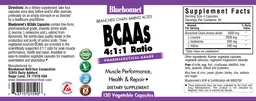
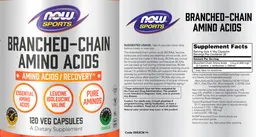
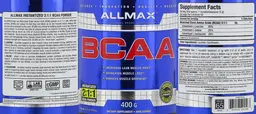
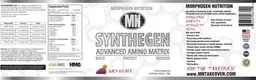
Top-rated Leucine products
Ranked by safety score and evidence coverage
How it's sold
Data aggregated from 214 product labels
Research evidence
Showing top 10 of 8 sources, sorted by quality
**Chang et al., 2023** | Nutrients | Meta Analysis Chang Min Cheol, Choo Yoo Jin. Effects of Whey Protein, Leucine, and Vitamin D Supplementation in Patients with Sarcopenia: A Systematic Review and Meta-Analysis. Nutrients. 2023-Jan-19;15(…
**NCT ID**: NCT06167772 **Phase**: NA **Status**: COMPLETED **Enrollment**: 40 **Completion**: 2024-05-10
**NCT ID**: NCT03511092 **Phase**: NA **Status**: COMPLETED **Enrollment**: 53 **Completion**: 2017-10-28
**NCT ID**: NCT03762278 **Phase**: NA **Status**: COMPLETED **Enrollment**: 24 **Completion**: 2019-05-01
**NCT ID**: NCT03831399 **Phase**: PHASE1 **Status**: COMPLETED **Enrollment**: 59 **Completion**: 2019-10-14
**NCT ID**: NCT05009654 **Phase**: NA **Status**: COMPLETED **Enrollment**: 16 **Completion**: 2018-01-31
**NCT ID**: NCT01154400 **Phase**: NA **Status**: COMPLETED **Enrollment**: 12 **Completion**: 2011-07
**NCT ID**: NCT01922167 **Phase**: NA **Status**: COMPLETED **Enrollment**: 19 **Completion**: 2018-12-17
Frequently asked questions
What is L-Leucine and what is it used for?
L-Leucine is an essential branched-chain amino acid primarily used to stimulate muscle protein synthesis. It is commonly researched for its potential to mitigate muscle loss and improve outcomes in populations suffering from sarcopenia or malnutrition.
Does L-Leucine help with sarcopenia (age-related muscle loss)?
There is moderate evidence indicating that L-Leucine supplementation, often combined with whey protein, can help improve muscle mass and function in older adults with sarcopenia. Research suggests positive effects when used alongside vitamin D and other proteins.
Is L-Leucine effective for critical illness or malnutrition?
The evidence for using L-Leucine in critical illness or malnutrition is currently weak. Preliminary studies suggest potential benefits for muscle thickness and protein anabolism in conditions like COPD, but these findings are based on small sample sizes and require further research.
What is the effective dose of L-Leucine?
Specific effective dose ranges for L-Leucine were not provided in the available research summaries. Because precise dosing information is not established in the provided evidence, it is important to consult a healthcare provider for personalized guidance.
Are there any known drug interactions with L-Leucine?
No specific drug interactions or contraindications were documented in the provided research summaries. However, individuals taking medications should always consult their healthcare provider before starting any new supplement to ensure safety.
Who should avoid taking L-Leucine?
While no specific contraindications were listed, pregnant or breastfeeding individuals, as well as those with pre-existing medical conditions, should avoid using L-Leucine without medical supervision. It is crucial to consult a healthcare professional before use to assess individual risks.
What are the safety and side effects of L-Leucine?
The provided evidence does not list specific side effects or an established upper limit (UL) for L-Leucine. Since safety data is limited in the provided sources, consumers should monitor for any adverse reactions and consult a healthcare provider for advice.