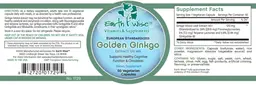
Ginkgo

183 research sources Also known as: ginkgo biloba maidenhair tree ginkgo extract egb761
476 Products on Market
120.0 mg Median Dose
🟢 99/100 Market Safety Score
183 Research Sources
Browse 476 products →

Top-Rated Ginkgo Products

View all Ginkgo products → Best Ginkgo rankings →

Evidence Summary

Ginkgo biloba is extensively studied for its potential effects on cognitive function, dementia, and vascular conditions. While there is a high volume of meta-analyses and systematic reviews, the overall evidence for its efficacy remains inconsistent across various neurological and circulatory disorders.

Evidence by Condition

Large-scale Cochrane reviews and meta-analyses show mixed or inconclusive results regarding its ability to prevent or treat dementia and cognitive impairment.

Tinnitus Weak

Systematic reviews indicate insufficient evidence to support the use of Ginkgo for tinnitus.

Meta-analyses have found no significant benefit for the treatment of intermittent claudication.

Meta-analysis suggests potential efficacy and safety in patients experiencing acute ischemic stroke.

Effective Doses

Dose ranges are not specified in the provided research summaries.

Key Findings

  • Large-scale Cochrane reviews (2026, 2009) provide mixed evidence for Ginkgo's role in cognitive impairment and dementia (PMID: 41641880, 19160216).
  • Systematic reviews indicate insufficient evidence for the efficacy of Ginkgo in treating tinnitus (PMID: 23543524, 36383762).
  • Meta-analysis suggests potential efficacy and safety in patients with acute ischemic stroke (PMID: 32349519).
  • Research indicates no significant benefit for intermittent claudication (PMID: 23744597).

Limitations

There is a lack of adequately powered clinical trials specifically testing the effect of Ginkgo biloba on the incidence of dementia (PMID: 19017911).

Safety & Interactions

The provided research summaries do not explicitly list specific contraindications or drug interactions.

AI-generated summary from 183 peer-reviewed studies. Not medical advice. Always consult a healthcare provider.

Drug-Supplement Interactions

Digoxin 🔴 Critical
Mechanism: Ginkgo is a moderate inhibitor of P-gp, which decreases metabolism of P-gp substrates, potentially increasing their plasma concentrations and risk of adverse effects.
Effect: Increased plasma levels of digoxin (digoxin), potentially leading to toxicity or enhanced adverse effects.
Management: Monitor for increased adverse effects of digoxin. Dose reduction may be necessary. Consider alternative supplement or consult healthcare provider.
Evidence: cyp-inferred
GI Prokinetics 🔴 Critical
Mechanism: Ginkgo is a weak inhibitor of CYP3A4, which decreases metabolism of CYP3A4 substrates, potentially increasing their plasma concentrations and risk of adverse effects.
Effect: Increased plasma levels of cisapride (gi-prokinetics), potentially leading to toxicity or enhanced adverse effects.
Management: Monitor for increased adverse effects of cisapride. Dose reduction may be necessary. Consider alternative supplement or consult healthcare provider.
Evidence: cyp-inferred
Immunosuppressants 🔴 Critical
Mechanism: Ginkgo is a weak inhibitor of CYP3A4, which decreases metabolism of CYP3A4 substrates, potentially increasing their plasma concentrations and risk of adverse effects.
Effect: Increased plasma levels of cyclosporine (immunosuppressants), potentially leading to toxicity or enhanced adverse effects.
Management: Monitor for increased adverse effects of cyclosporine. Dose reduction may be necessary. Consider alternative supplement or consult healthcare provider.
Evidence: cyp-inferred
ADHD Medications 🟡 Moderate
Mechanism: Ginkgo is a weak inhibitor of CYP2D6, which decreases metabolism of CYP2D6 substrates, potentially increasing their plasma concentrations and risk of adverse effects.
Effect: Increased plasma levels of atomoxetine (adhd-medications), potentially leading to toxicity or enhanced adverse effects.
Management: Monitor for increased adverse effects of atomoxetine. Dose reduction may be necessary. Consider alternative supplement or consult healthcare provider.
Evidence: cyp-inferred
Abciximab 🟡 Moderate
Mechanism: Interaction identified from DDInter 2.0 database. Specific drugs: Abciximab
Effect: See mechanism description
Management: Consult healthcare provider before combining.
Evidence: ddinter-verified
Aldesleukin 🟡 Moderate
Mechanism: Interaction identified from DDInter 2.0 database. Specific drugs: Aldesleukin
Effect: See mechanism description
Management: Consult healthcare provider before combining.
Evidence: ddinter-verified
Alimemazine 🟡 Moderate
Mechanism: Interaction identified from DDInter 2.0 database. Specific drugs: Alimemazine
Effect: See mechanism description
Management: Consult healthcare provider before combining.
Evidence: ddinter-verified
Alteplase 🟡 Moderate
Mechanism: Interaction identified from DDInter 2.0 database. Specific drugs: Alteplase
Effect: See mechanism description
Management: Consult healthcare provider before combining.
Evidence: ddinter-verified
Aminophylline 🟡 Moderate
Mechanism: Interaction identified from DDInter 2.0 database. Specific drugs: Aminophylline
Effect: See mechanism description
Management: Consult healthcare provider before combining.
Evidence: ddinter-verified
Analgesics 🟡 Moderate
Mechanism: Ginkgo is a weak inducer of CYP1A2, which increases metabolism of CYP1A2 substrates, potentially reducing their plasma concentrations and therapeutic efficacy.
Effect: Reduced plasma levels of acetaminophen (analgesics), potentially leading to therapeutic failure.
Management: Monitor for reduced efficacy of acetaminophen. Dose adjustment may be necessary. Consider alternative supplement or consult healthcare provider.
Evidence: cyp-inferred
Anistreplase 🟡 Moderate
Mechanism: Interaction identified from DDInter 2.0 database. Specific drugs: Anistreplase
Effect: See mechanism description
Management: Consult healthcare provider before combining.
Evidence: ddinter-verified
Antiarrhythmics 🟡 Moderate
Mechanism: Ginkgo is a moderate inhibitor of P-gp, which decreases metabolism of P-gp substrates, potentially increasing their plasma concentrations and risk of adverse effects.
Effect: Increased plasma levels of quinidine (antiarrhythmics), potentially leading to toxicity or enhanced adverse effects.
Management: Monitor for increased adverse effects of quinidine. Dose reduction may be necessary. Consider alternative supplement or consult healthcare provider.
Evidence: cyp-inferred
Antibiotics 🟡 Moderate
Mechanism: Ginkgo is a weak inhibitor of CYP3A4, which decreases metabolism of CYP3A4 substrates, potentially increasing their plasma concentrations and risk of adverse effects.
Effect: Increased plasma levels of clarithromycin (antibiotics), potentially leading to toxicity or enhanced adverse effects.
Management: Monitor for increased adverse effects of clarithromycin. Dose reduction may be necessary. Consider alternative supplement or consult healthcare provider.
Evidence: cyp-inferred
Anticoagulants 🟡 Moderate
Mechanism: Interaction identified from DDInter 2.0 database. Specific drugs: Apixaban, Edoxaban, Rivaroxaban, Enoxaparin, Fondaparinux, Dicoumarol, Heparin
Effect: See mechanism description
Management: Consult healthcare provider before combining.
Evidence: ddinter-verified
Anticonvulsants 🟡 Moderate
Mechanism: Ginkgo may lower seizure threshold, potentially counteracting anticonvulsant drugs.
Effect: Reduced seizure control; possible breakthrough seizures
Management: Avoid ginkgo in patients with epilepsy or on anticonvulsants.
Evidence: probable
Antidiabetic Drugs 🟡 Moderate
Mechanism: Ginkgo is a weak inhibitor of CYP3A4, which decreases metabolism of CYP3A4 substrates, potentially increasing their plasma concentrations and risk of adverse effects.
Effect: Increased plasma levels of repaglinide (antidiabetic-drugs), potentially leading to toxicity or enhanced adverse effects.
Management: Monitor for increased adverse effects of repaglinide. Dose reduction may be necessary. Consider alternative supplement or consult healthcare provider.
Evidence: cyp-inferred
Antidiarrheals 🟡 Moderate
Mechanism: Ginkgo is a moderate inhibitor of P-gp, which decreases metabolism of P-gp substrates, potentially increasing their plasma concentrations and risk of adverse effects.
Effect: Increased plasma levels of loperamide (antidiarrheals), potentially leading to toxicity or enhanced adverse effects.
Management: Monitor for increased adverse effects of loperamide. Dose reduction may be necessary. Consider alternative supplement or consult healthcare provider.
Evidence: cyp-inferred
Antiemetics 🟡 Moderate
Mechanism: Ginkgo is a weak inhibitor of CYP2D6, which decreases metabolism of CYP2D6 substrates, potentially increasing their plasma concentrations and risk of adverse effects.
Effect: Increased plasma levels of ondansetron (antiemetics), potentially leading to toxicity or enhanced adverse effects.
Management: Monitor for increased adverse effects of ondansetron. Dose reduction may be necessary. Consider alternative supplement or consult healthcare provider.
Evidence: cyp-inferred
Antifungals 🟡 Moderate
Mechanism: Ginkgo is a moderate inhibitor of CYP2C19, which decreases metabolism of CYP2C19 substrates, potentially increasing their plasma concentrations and risk of adverse effects.
Effect: Increased plasma levels of voriconazole (antifungals), potentially leading to toxicity or enhanced adverse effects.
Management: Monitor for increased adverse effects of voriconazole. Dose reduction may be necessary. Consider alternative supplement or consult healthcare provider.
Evidence: cyp-inferred
Antihistamines 🟡 Moderate
Mechanism: Interaction identified from DDInter 2.0 database. Specific drugs: Promethazine, Promethazine, Promethazine
Effect: See mechanism description
Management: Consult healthcare provider before combining.
Evidence: ddinter-verified
Antiplatelet Drugs 🟡 Moderate
Mechanism: Ginkgo inhibits platelet-activating factor, additive with antiplatelet drugs.
Effect: Increased bleeding risk
Management: Avoid ginkgo with antiplatelet drugs. Stop 36 hours before surgery.
Evidence: probable
Antipsychotics 🟡 Moderate
Mechanism: Ginkgo is a weak inhibitor of CYP3A4, which decreases metabolism of CYP3A4 substrates, potentially increasing their plasma concentrations and risk of adverse effects.
Effect: Increased plasma levels of haloperidol (antipsychotics), potentially leading to toxicity or enhanced adverse effects.
Management: Monitor for increased adverse effects of haloperidol. Dose reduction may be necessary. Consider alternative supplement or consult healthcare provider.
Evidence: cyp-inferred
Antiretrovirals 🟡 Moderate
Mechanism: Ginkgo is a moderate inhibitor of P-gp, which decreases metabolism of P-gp substrates, potentially increasing their plasma concentrations and risk of adverse effects.
Effect: Increased plasma levels of saquinavir (antiretrovirals), potentially leading to toxicity or enhanced adverse effects.
Management: Monitor for increased adverse effects of saquinavir. Dose reduction may be necessary. Consider alternative supplement or consult healthcare provider.
Evidence: cyp-inferred
Antithrombin III human 🟡 Moderate
Mechanism: Interaction identified from DDInter 2.0 database. Specific drugs: Antithrombin III human
Effect: See mechanism description
Management: Consult healthcare provider before combining.
Evidence: ddinter-verified
Antitussives 🟡 Moderate
Mechanism: Ginkgo is a weak inhibitor of CYP2D6, which decreases metabolism of CYP2D6 substrates, potentially increasing their plasma concentrations and risk of adverse effects.
Effect: Increased plasma levels of dextromethorphan (antitussives), potentially leading to toxicity or enhanced adverse effects.
Management: Monitor for increased adverse effects of dextromethorphan. Dose reduction may be necessary. Consider alternative supplement or consult healthcare provider.
Evidence: cyp-inferred
Apalutamide 🟡 Moderate
Mechanism: Interaction identified from DDInter 2.0 database. Specific drugs: Apalutamide
Effect: See mechanism description
Management: Consult healthcare provider before combining.
Evidence: ddinter-verified
Argatroban 🟡 Moderate
Mechanism: Interaction identified from DDInter 2.0 database. Specific drugs: Argatroban
Effect: See mechanism description
Management: Consult healthcare provider before combining.
Evidence: ddinter-verified
Benzodiazepines 🟡 Moderate
Mechanism: Ginkgo is a moderate inhibitor of CYP2C19, which decreases metabolism of CYP2C19 substrates, potentially increasing their plasma concentrations and risk of adverse effects.
Effect: Increased plasma levels of diazepam (benzodiazepines), potentially leading to toxicity or enhanced adverse effects.
Management: Monitor for increased adverse effects of diazepam. Dose reduction may be necessary. Consider alternative supplement or consult healthcare provider.
Evidence: cyp-inferred
Beta Blockers 🟡 Moderate
Mechanism: Ginkgo is a moderate inhibitor of CYP2C19, which decreases metabolism of CYP2C19 substrates, potentially increasing their plasma concentrations and risk of adverse effects.
Effect: Increased plasma levels of propranolol (beta-blockers), potentially leading to toxicity or enhanced adverse effects.
Management: Monitor for increased adverse effects of propranolol. Dose reduction may be necessary. Consider alternative supplement or consult healthcare provider.
Evidence: cyp-inferred
Beta-2 Agonists 🟡 Moderate
Mechanism: Ginkgo is a weak inhibitor of CYP3A4, which decreases metabolism of CYP3A4 substrates, potentially increasing their plasma concentrations and risk of adverse effects.
Effect: Increased plasma levels of salmeterol (beta2-agonists), potentially leading to toxicity or enhanced adverse effects.
Management: Monitor for increased adverse effects of salmeterol. Dose reduction may be necessary. Consider alternative supplement or consult healthcare provider.
Evidence: cyp-inferred
Betrixaban 🟡 Moderate
Mechanism: Interaction identified from DDInter 2.0 database. Specific drugs: Betrixaban
Effect: See mechanism description
Management: Consult healthcare provider before combining.
Evidence: ddinter-verified
Bivalirudin 🟡 Moderate
Mechanism: Interaction identified from DDInter 2.0 database. Specific drugs: Bivalirudin
Effect: See mechanism description
Management: Consult healthcare provider before combining.
Evidence: ddinter-verified
Blinatumomab 🟡 Moderate
Mechanism: Interaction identified from DDInter 2.0 database. Specific drugs: Blinatumomab
Effect: See mechanism description
Management: Consult healthcare provider before combining.
Evidence: ddinter-verified
Bupropion 🟡 Moderate
Mechanism: Interaction identified from DDInter 2.0 database. Specific drugs: Bupropion
Effect: See mechanism description
Management: Consult healthcare provider before combining.
Evidence: ddinter-verified
CFTR Modulators 🟡 Moderate
Mechanism: Ginkgo is a weak inhibitor of CYP3A4, which decreases metabolism of CYP3A4 substrates, potentially increasing their plasma concentrations and risk of adverse effects.
Effect: Increased plasma levels of ivacaftor (cftr-modulators), potentially leading to toxicity or enhanced adverse effects.
Management: Monitor for increased adverse effects of ivacaftor. Dose reduction may be necessary. Consider alternative supplement or consult healthcare provider.
Evidence: cyp-inferred
Caffeine 🟡 Moderate
Mechanism: Ginkgo is a weak inducer of CYP1A2, which increases metabolism of CYP1A2 substrates, potentially reducing their plasma concentrations and therapeutic efficacy.
Effect: Reduced plasma levels of caffeine (caffeine), potentially leading to therapeutic failure.
Management: Monitor for reduced efficacy of caffeine. Dose adjustment may be necessary. Consider alternative supplement or consult healthcare provider.
Evidence: cyp-inferred
Calcium Channel Blockers 🟡 Moderate
Mechanism: Ginkgo is a weak inhibitor of CYP3A4, which decreases metabolism of CYP3A4 substrates, potentially increasing their plasma concentrations and risk of adverse effects.
Effect: Increased plasma levels of nifedipine (calcium-channel-blockers), potentially leading to toxicity or enhanced adverse effects.
Management: Monitor for increased adverse effects of nifedipine. Dose reduction may be necessary. Consider alternative supplement or consult healthcare provider.
Evidence: cyp-inferred
Cangrelor 🟡 Moderate
Mechanism: Interaction identified from DDInter 2.0 database. Specific drugs: Cangrelor
Effect: See mechanism description
Management: Consult healthcare provider before combining.
Evidence: ddinter-verified
Caplacizumab 🟡 Moderate
Mechanism: Interaction identified from DDInter 2.0 database. Specific drugs: Caplacizumab
Effect: See mechanism description
Management: Consult healthcare provider before combining.
Evidence: ddinter-verified
Chemotherapy 🟡 Moderate
Mechanism: Ginkgo is a moderate inhibitor of CYP2C19, which decreases metabolism of CYP2C19 substrates, potentially increasing their plasma concentrations and risk of adverse effects.
Effect: Increased plasma levels of tamoxifen (chemotherapy), potentially leading to toxicity or enhanced adverse effects.
Management: Monitor for increased adverse effects of tamoxifen. Dose reduction may be necessary. Consider alternative supplement or consult healthcare provider.
Evidence: cyp-inferred
Chloroquine 🟡 Moderate
Mechanism: Interaction identified from DDInter 2.0 database. Specific drugs: Chloroquine
Effect: See mechanism description
Management: Consult healthcare provider before combining.
Evidence: ddinter-verified
Codeine 🟡 Moderate
Mechanism: Interaction identified from DDInter 2.0 database. Specific drugs: Codeine
Effect: See mechanism description
Management: Consult healthcare provider before combining.
Evidence: ddinter-verified
Corticosteroids 🟡 Moderate
Mechanism: Ginkgo is a weak inhibitor of CYP3A4, which decreases metabolism of CYP3A4 substrates, potentially increasing their plasma concentrations and risk of adverse effects.
Effect: Increased plasma levels of prednisone (corticosteroids), potentially leading to toxicity or enhanced adverse effects.
Management: Monitor for increased adverse effects of prednisone. Dose reduction may be necessary. Consider alternative supplement or consult healthcare provider.
Evidence: cyp-inferred
Dalteparin 🟡 Moderate
Mechanism: Interaction identified from DDInter 2.0 database. Specific drugs: Dalteparin
Effect: See mechanism description
Management: Consult healthcare provider before combining.
Evidence: ddinter-verified
Danaparoid 🟡 Moderate
Mechanism: Interaction identified from DDInter 2.0 database. Specific drugs: Danaparoid
Effect: See mechanism description
Management: Consult healthcare provider before combining.
Evidence: ddinter-verified
Defibrotide 🟡 Moderate
Mechanism: Interaction identified from DDInter 2.0 database. Specific drugs: Defibrotide
Effect: See mechanism description
Management: Consult healthcare provider before combining.
Evidence: ddinter-verified
Dexfenfluramine 🟡 Moderate
Mechanism: Interaction identified from DDInter 2.0 database. Specific drugs: Dexfenfluramine
Effect: See mechanism description
Management: Consult healthcare provider before combining.
Evidence: ddinter-verified
Diethylpropion 🟡 Moderate
Mechanism: Interaction identified from DDInter 2.0 database. Specific drugs: Diethylpropion
Effect: See mechanism description
Management: Consult healthcare provider before combining.
Evidence: ddinter-verified
Dopamine Agonists 🟡 Moderate
Mechanism: Ginkgo is a weak inducer of CYP1A2, which increases metabolism of CYP1A2 substrates, potentially reducing their plasma concentrations and therapeutic efficacy.
Effect: Reduced plasma levels of ropinirole (dopamine-agonists), potentially leading to therapeutic failure.
Management: Monitor for reduced efficacy of ropinirole. Dose adjustment may be necessary. Consider alternative supplement or consult healthcare provider.
Evidence: cyp-inferred
Doxapram 🟡 Moderate
Mechanism: Interaction identified from DDInter 2.0 database. Specific drugs: Doxapram
Effect: See mechanism description
Management: Consult healthcare provider before combining.
Evidence: ddinter-verified
Doxepin (topical) 🟡 Moderate
Mechanism: Interaction identified from DDInter 2.0 database. Specific drugs: Doxepin (topical)
Effect: See mechanism description
Management: Consult healthcare provider before combining.
Evidence: ddinter-verified
Dronabinol 🟡 Moderate
Mechanism: Interaction identified from DDInter 2.0 database. Specific drugs: Dronabinol
Effect: See mechanism description
Management: Consult healthcare provider before combining.
Evidence: ddinter-verified
Eliglustat 🟡 Moderate
Mechanism: Interaction identified from DDInter 2.0 database. Specific drugs: Eliglustat
Effect: See mechanism description
Management: Consult healthcare provider before combining.
Evidence: ddinter-verified
Ephedrine 🟡 Moderate
Mechanism: Interaction identified from DDInter 2.0 database. Specific drugs: Ephedrine
Effect: See mechanism description
Management: Consult healthcare provider before combining.
Evidence: ddinter-verified
Epoprostenol 🟡 Moderate
Mechanism: Interaction identified from DDInter 2.0 database. Specific drugs: Epoprostenol
Effect: See mechanism description
Management: Consult healthcare provider before combining.
Evidence: ddinter-verified
Eptifibatide 🟡 Moderate
Mechanism: Interaction identified from DDInter 2.0 database. Specific drugs: Eptifibatide
Effect: See mechanism description
Management: Consult healthcare provider before combining.
Evidence: ddinter-verified
Fenfluramine 🟡 Moderate
Mechanism: Interaction identified from DDInter 2.0 database. Specific drugs: Fenfluramine
Effect: See mechanism description
Management: Consult healthcare provider before combining.
Evidence: ddinter-verified
Fluoroquinolones 🟡 Moderate
Mechanism: Interaction identified from DDInter 2.0 database. Specific drugs: Levofloxacin
Effect: See mechanism description
Management: Consult healthcare provider before combining.
Evidence: ddinter-verified
Hydrocodone 🟡 Moderate
Mechanism: Interaction identified from DDInter 2.0 database. Specific drugs: Hydrocodone
Effect: See mechanism description
Management: Consult healthcare provider before combining.
Evidence: ddinter-verified
Iloprost 🟡 Moderate
Mechanism: Interaction identified from DDInter 2.0 database. Specific drugs: Iloprost
Effect: See mechanism description
Management: Consult healthcare provider before combining.
Evidence: ddinter-verified
Lepirudin 🟡 Moderate
Mechanism: Interaction identified from DDInter 2.0 database. Specific drugs: Lepirudin
Effect: See mechanism description
Management: Consult healthcare provider before combining.
Evidence: ddinter-verified
Leukotriene Antagonists 🟡 Moderate
Mechanism: Ginkgo is a weak inhibitor of CYP3A4, which decreases metabolism of CYP3A4 substrates, potentially increasing their plasma concentrations and risk of adverse effects.
Effect: Increased plasma levels of montelukast (leukotriene-antagonists), potentially leading to toxicity or enhanced adverse effects.
Management: Monitor for increased adverse effects of montelukast. Dose reduction may be necessary. Consider alternative supplement or consult healthcare provider.
Evidence: cyp-inferred
Lidocaine 🟡 Moderate
Mechanism: Interaction identified from DDInter 2.0 database. Specific drugs: Lidocaine
Effect: See mechanism description
Management: Consult healthcare provider before combining.
Evidence: ddinter-verified
Lindane 🟡 Moderate
Mechanism: Interaction identified from DDInter 2.0 database. Specific drugs: Lindane
Effect: See mechanism description
Management: Consult healthcare provider before combining.
Evidence: ddinter-verified
MAOI 🟡 Moderate
Mechanism: Ginkgo is a weak inducer of CYP1A2, which increases metabolism of CYP1A2 substrates, potentially reducing their plasma concentrations and therapeutic efficacy.
Effect: Reduced plasma levels of rasagiline (maoi), potentially leading to therapeutic failure.
Management: Monitor for reduced efficacy of rasagiline. Dose adjustment may be necessary. Consider alternative supplement or consult healthcare provider.
Evidence: cyp-inferred
Mazindol 🟡 Moderate
Mechanism: Interaction identified from DDInter 2.0 database. Specific drugs: Mazindol
Effect: See mechanism description
Management: Consult healthcare provider before combining.
Evidence: ddinter-verified
Mefloquine 🟡 Moderate
Mechanism: Interaction identified from DDInter 2.0 database. Specific drugs: Mefloquine
Effect: See mechanism description
Management: Consult healthcare provider before combining.
Evidence: ddinter-verified
Melatonin 🟡 Moderate
Mechanism: Ginkgo is a weak inducer of CYP1A2, which increases metabolism of CYP1A2 substrates, potentially reducing their plasma concentrations and therapeutic efficacy.
Effect: Reduced plasma levels of melatonin (melatonin), potentially leading to therapeutic failure.
Management: Monitor for reduced efficacy of melatonin. Dose adjustment may be necessary. Consider alternative supplement or consult healthcare provider.
Evidence: cyp-inferred
Methdilazine 🟡 Moderate
Mechanism: Interaction identified from DDInter 2.0 database. Specific drugs: Methdilazine
Effect: See mechanism description
Management: Consult healthcare provider before combining.
Evidence: ddinter-verified
Metoclopramide 🟡 Moderate
Mechanism: Interaction identified from DDInter 2.0 database. Specific drugs: Metoclopramide
Effect: See mechanism description
Management: Consult healthcare provider before combining.
Evidence: ddinter-verified
Morphine 🟡 Moderate
Mechanism: Interaction identified from DDInter 2.0 database. Specific drugs: Morphine
Effect: See mechanism description
Management: Consult healthcare provider before combining.
Evidence: ddinter-verified
Morphine (liposomal) 🟡 Moderate
Mechanism: Interaction identified from DDInter 2.0 database. Specific drugs: Morphine (liposomal)
Effect: See mechanism description
Management: Consult healthcare provider before combining.
Evidence: ddinter-verified
Opioids 🟡 Moderate
Mechanism: Ginkgo is a weak inhibitor of CYP3A4, which decreases metabolism of CYP3A4 substrates, potentially increasing their plasma concentrations and risk of adverse effects.
Effect: Increased plasma levels of methadone (opioids), potentially leading to toxicity or enhanced adverse effects.
Management: Monitor for increased adverse effects of methadone. Dose reduction may be necessary. Consider alternative supplement or consult healthcare provider.
Evidence: cyp-inferred
Opium 🟡 Moderate
Mechanism: Interaction identified from DDInter 2.0 database. Specific drugs: Opium
Effect: See mechanism description
Management: Consult healthcare provider before combining.
Evidence: ddinter-verified
Oral Contraceptives 🟡 Moderate
Mechanism: Ginkgo is a weak inhibitor of CYP3A4, which decreases metabolism of CYP3A4 substrates, potentially increasing their plasma concentrations and risk of adverse effects.
Effect: Increased plasma levels of ethinylestradiol (oral-contraceptives), potentially leading to toxicity or enhanced adverse effects.
Management: Monitor for increased adverse effects of ethinylestradiol. Dose reduction may be necessary. Consider alternative supplement or consult healthcare provider.
Evidence: cyp-inferred
Oxamniquine 🟡 Moderate
Mechanism: Interaction identified from DDInter 2.0 database. Specific drugs: Oxamniquine
Effect: See mechanism description
Management: Consult healthcare provider before combining.
Evidence: ddinter-verified
Oxtriphylline 🟡 Moderate
Mechanism: Interaction identified from DDInter 2.0 database. Specific drugs: Oxtriphylline
Effect: See mechanism description
Management: Consult healthcare provider before combining.
Evidence: ddinter-verified
PDE5 Inhibitors 🟡 Moderate
Mechanism: Ginkgo is a weak inhibitor of CYP3A4, which decreases metabolism of CYP3A4 substrates, potentially increasing their plasma concentrations and risk of adverse effects.
Effect: Increased plasma levels of sildenafil (pde5-inhibitors), potentially leading to toxicity or enhanced adverse effects.
Management: Monitor for increased adverse effects of sildenafil. Dose reduction may be necessary. Consider alternative supplement or consult healthcare provider.
Evidence: cyp-inferred
PPIS 🟡 Moderate
Mechanism: Ginkgo is a moderate inhibitor of CYP2C19, which decreases metabolism of CYP2C19 substrates, potentially increasing their plasma concentrations and risk of adverse effects.
Effect: Increased plasma levels of omeprazole (ppis), potentially leading to toxicity or enhanced adverse effects.
Management: Monitor for increased adverse effects of omeprazole. Dose reduction may be necessary. Consider alternative supplement or consult healthcare provider.
Evidence: cyp-inferred
Phentermine 🟡 Moderate
Mechanism: Interaction identified from DDInter 2.0 database. Specific drugs: Phentermine
Effect: See mechanism description
Management: Consult healthcare provider before combining.
Evidence: ddinter-verified
Phenylpropanolamine 🟡 Moderate
Mechanism: Interaction identified from DDInter 2.0 database. Specific drugs: Phenylpropanolamine
Effect: See mechanism description
Management: Consult healthcare provider before combining.
Evidence: ddinter-verified
Physostigmine 🟡 Moderate
Mechanism: Interaction identified from DDInter 2.0 database. Specific drugs: Physostigmine
Effect: See mechanism description
Management: Consult healthcare provider before combining.
Evidence: ddinter-verified
Piperazine 🟡 Moderate
Mechanism: Interaction identified from DDInter 2.0 database. Specific drugs: Piperazine
Effect: See mechanism description
Management: Consult healthcare provider before combining.
Evidence: ddinter-verified
Reteplase 🟡 Moderate
Mechanism: Interaction identified from DDInter 2.0 database. Specific drugs: Reteplase
Effect: See mechanism description
Management: Consult healthcare provider before combining.
Evidence: ddinter-verified
SNRI 🟡 Moderate
Mechanism: Ginkgo is a moderate inhibitor of CYP2C19, which decreases metabolism of CYP2C19 substrates, potentially increasing their plasma concentrations and risk of adverse effects.
Effect: Increased plasma levels of venlafaxine (snri), potentially leading to toxicity or enhanced adverse effects.
Management: Monitor for increased adverse effects of venlafaxine. Dose reduction may be necessary. Consider alternative supplement or consult healthcare provider.
Evidence: cyp-inferred
Sibutramine 🟡 Moderate
Mechanism: Interaction identified from DDInter 2.0 database. Specific drugs: Sibutramine
Effect: See mechanism description
Management: Consult healthcare provider before combining.
Evidence: ddinter-verified
Ssri 🟡 Moderate
Mechanism: Ginkgo may have weak MAO-inhibiting properties; combined with SSRIs may increase serotonin levels.
Effect: Possible serotonin syndrome (rare but reported)
Management: Use caution with SSRIs. Report any symptoms of agitation, confusion, or tremor.
Evidence: possible
Statins 🟡 Moderate
Mechanism: Ginkgo is a weak inhibitor of CYP3A4, which decreases metabolism of CYP3A4 substrates, potentially increasing their plasma concentrations and risk of adverse effects.
Effect: Increased plasma levels of simvastatin (statins), potentially leading to toxicity or enhanced adverse effects.
Management: Monitor for increased adverse effects of simvastatin. Dose reduction may be necessary. Consider alternative supplement or consult healthcare provider.
Evidence: cyp-inferred
Streptokinase 🟡 Moderate
Mechanism: Interaction identified from DDInter 2.0 database. Specific drugs: Streptokinase
Effect: See mechanism description
Management: Consult healthcare provider before combining.
Evidence: ddinter-verified
Tenecteplase 🟡 Moderate
Mechanism: Interaction identified from DDInter 2.0 database. Specific drugs: Tenecteplase
Effect: See mechanism description
Management: Consult healthcare provider before combining.
Evidence: ddinter-verified
Theophylline 🟡 Moderate
Mechanism: Interaction identified from DDInter 2.0 database. Specific drugs: Theophylline
Effect: See mechanism description
Management: Consult healthcare provider before combining.
Evidence: ddinter-verified
Thiethylperazine 🟡 Moderate
Mechanism: Interaction identified from DDInter 2.0 database. Specific drugs: Thiethylperazine
Effect: See mechanism description
Management: Consult healthcare provider before combining.
Evidence: ddinter-verified
Tinzaparin 🟡 Moderate
Mechanism: Interaction identified from DDInter 2.0 database. Specific drugs: Tinzaparin
Effect: See mechanism description
Management: Consult healthcare provider before combining.
Evidence: ddinter-verified
Tirofiban 🟡 Moderate
Mechanism: Interaction identified from DDInter 2.0 database. Specific drugs: Tirofiban
Effect: See mechanism description
Management: Consult healthcare provider before combining.
Evidence: ddinter-verified
Trazodone 🟡 Moderate
Mechanism: Ginkgo combined with trazodone may cause excessive sedation or CNS effects.
Effect: Excessive CNS depression; coma reported in one case
Management: Avoid combination. Use alternative herbal supplement.
Evidence: possible
Treprostinil 🟡 Moderate
Mechanism: Interaction identified from DDInter 2.0 database. Specific drugs: Treprostinil
Effect: See mechanism description
Management: Consult healthcare provider before combining.
Evidence: ddinter-verified
Mechanism: Interaction identified from DDInter 2.0 database. Specific drugs: Doxepin
Effect: See mechanism description
Management: Consult healthcare provider before combining.
Evidence: ddinter-verified
Urokinase 🟡 Moderate
Mechanism: Interaction identified from DDInter 2.0 database. Specific drugs: Urokinase
Effect: See mechanism description
Management: Consult healthcare provider before combining.
Evidence: ddinter-verified
Warfarin 🟡 Moderate
Mechanism: Ginkgolides inhibit platelet-activating factor, potentially additive with warfarin.
Effect: Increased bleeding risk
Management: Monitor INR and for signs of bleeding. Avoid combined use if possible.
Evidence: probable

⚠️ This information is for educational purposes only and does not constitute medical advice. Always consult your healthcare provider before combining supplements with medications.

Claims vs. Evidence

100% Evidence-Backed
0% Unsupported
80% Structure/Function
Claim Type% of ProductsEvidence RequiredStatus
All Other 99% Tier D (Unclassified) ✅ Supported
Structure/Function 80% Tier C (DSHEA Structure/Function (no pre-approval)) ✅ Supported
Nutrient 4% Tier D (Unknown) ✅ Supported
Approved Health 0% Tier A (FDA Approved Health Claim (21 CFR 101.9)) ✅ Supported
No Claim 0% Tier D (No claim on label) ✅ Supported

🏛️ NIH ODS Factsheet

Research by Topic

⚠️ FDA Safety Data

Research Evidence (183)

Systematic Review: 86 Meta Analysis: 78 Other: 7 Clinical Trial: 4 Rct: 2 Narrative Review: 2 Regulatory Source: 2 Openfda Safety: 1
A Ginkgo biloba for cognitive impairment and dementia
Meta Analysis The Cochrane database of systematic reviews 2026 n=10613

**Wieland et al., 2026** | Cochrane Database Syst Rev | Meta Analysis Wieland Lisa S, Ludeman Emilie, ... Amri Hakima. Ginkgo biloba for cognitive impairment and dementia. Cochrane Database Syst Rev. 2026-Feb-05;2(2):CD013661. doi:10.1002/14651858.CD...

B Ginkgo biloba for cognitive impairment and dementia
Meta Analysis The Cochrane database of systematic reviews 2009 n=2016

**Birks et al., 2009** | Cochrane Database Syst Rev | Meta Analysis Birks Jacqueline, Grimley Evans John. Ginkgo biloba for cognitive impairment and dementia. Cochrane Database Syst Rev. 2009-Jan-21(1):CD003120. doi:10.1002/14651858.CD003120.pub3 BAC...

B Ginkgo biloba for tinnitus
Meta Analysis The Cochrane database of systematic reviews 2013 n=1543

**Hilton et al., 2013** | Cochrane Database Syst Rev | Meta Analysis Hilton Malcolm P, Zimmermann Eleanor F, Hunt William T. Ginkgo biloba for tinnitus. Cochrane Database Syst Rev. 2013-Mar-28;2013(3):CD003852. doi:10.1002/14651858.CD003852.pub3 BACK...

B Ginkgo biloba for tinnitus
Systematic Review The Cochrane database of systematic reviews 2022 n=1915

**Sereda et al., 2022** | Cochrane Database Syst Rev | Systematic Review Sereda Magdalena, Xia Jun, ... Hoare Derek J. Ginkgo biloba for tinnitus. Cochrane Database Syst Rev. 2022-Nov-16;11(11):CD013514. doi:10.1002/14651858.CD013514.pub2 BACKGROUND:...

B Ginkgo biloba for prevention of dementia: a randomized controlled trial
Rct JAMA 2008 n=2587

CONTEXT: Ginkgo biloba is widely used for its potential effects on memory and cognition. To date, adequately powered clinical trials testing the effect of G. biloba on dementia incidence are lacking. OBJECTIVE: To determine effectiveness of G. biloba...

B Effectiveness and safety of ginkgo biloba preparations in the treatment of Alzheimer's disease: A systematic review and meta-analysis
Systematic Review Frontiers in aging neuroscience 2023 n=1642

OBJECTIVE: To conduct a meta-analysis of the effectiveness and safety of ginkgo biloba preparations combined with donepezil hydrochloride vs. donepezil for the treatment of Alzheimer's disease (AD). METHODS: Three English databases (Cochrane Library,...

B Ginkgo biloba for intermittent claudication
Meta Analysis The Cochrane database of systematic reviews 2013 n=739

**Nicolaï et al., 2013** | Cochrane Database Syst Rev | Meta Analysis Nicolaï Saskia P A, Kruidenier Lotte M, ... Teijink Joep A W. Ginkgo biloba for intermittent claudication. Cochrane Database Syst Rev. 2013-Jun-06;2013(6):CD006888. doi:10.1002/146...

B The Comparative Efficacy of Multiple Interventions for Mild Cognitive Impairment in Alzheimer's Disease: A Bayesian Network Meta-Analysis
Systematic Review Frontiers in aging neuroscience 2020 n=6863

**Lai et al., 2020** | Front Aging Neurosci | Systematic Review Lai Xin, Wen Hao, ... Tang Chunzhi. The Comparative Efficacy of Multiple Interventions for Mild Cognitive Impairment in Alzheimer's Disease: A Bayesian Network Meta-Analysis. Front Aging...

B Comparative effects of Bacopa monnieri and Ginkgo biloba on cognitive functions: A systematic review and network meta-analysis
Meta Analysis Phytomedicine : international journal of phytotherapy and phytopharmacology 2026 n=2107

**Tiemtad et al., 2026** | Phytomedicine | Meta Analysis Tiemtad Pailada, Ingkaninan Kornkanok, ... Dhippayom Teerapon. Comparative effects of Bacopa monnieri and Ginkgo biloba on cognitive functions: A systematic review and network meta-analysis. Ph...

B Ginkgo biloba for intermittent claudication
Meta Analysis The Cochrane database of systematic reviews 2009 n=739

**Nicolaï et al., 2009** | Cochrane Database Syst Rev | Meta Analysis Nicolaï Saskia P A, Kruidenier Lotte M, ... Teijink Joep A W. Ginkgo biloba for intermittent claudication. Cochrane Database Syst Rev. 2009-Apr-15(2):CD006888. doi:10.1002/14651858...

B Interventions to delay functional decline in people with dementia: a systematic review of systematic reviews
Systematic Review BMJ open 2016 n=289

**Laver et al., 2016** | BMJ Open | Systematic Review Laver Kate, Dyer Suzanne, ... Crotty Maria. Interventions to delay functional decline in people with dementia: a systematic review of systematic reviews. BMJ Open. 2016-Apr-27;6(4):e010767. doi:10...

B Ginkgo biloba extract for prevention of acute mountain sickness: a systematic review and meta-analysis of randomised controlled trials
Meta Analysis BMJ open 2018 n=451

**Tsai et al., 2018** | BMJ Open | Meta Analysis Tsai Tou-Yuan, Wang Shih-Hao, ... Su Yung-Cheng. Ginkgo biloba extract for prevention of acute mountain sickness: a systematic review and meta-analysis of randomised controlled trials. BMJ Open. 2018-A...

B Pharmacological treatment for memory disorder in multiple sclerosis
Systematic Review The Cochrane database of systematic reviews 2013 n=625

**He et al., 2013** | Cochrane Database Syst Rev | Systematic Review He Dian, Zhang Yun, ... Zhou Hongyu. Pharmacological treatment for memory disorder in multiple sclerosis. Cochrane Database Syst Rev. 2013-Dec-17;2013(12):CD008876. doi:10.1002/1465...

B Efficacy and Safety of Ginkgo biloba in Patients with Acute Ischemic Stroke: A Systematic Review and Meta-Analysis
Meta Analysis The American journal of Chinese medicine 2020 n=1466

**Chong et al., 2020** | Am J Chin Med | Meta Analysis Chong Phui Zee, Ng Huey Ying, ... Lee Shaun Wen Huey. Efficacy and Safety of Ginkgo biloba in Patients with Acute Ischemic Stroke: A Systematic Review and Meta-Analysis. Am J Chin Med. 2020;48(3)...

B Efficacy and adverse effects of ginkgo biloba for cognitive impairment and dementia: a systematic review and meta-analysis
Meta Analysis Journal of Alzheimer's disease : JAD 2015 n=2561

BACKGROUND: Research into Ginkgo biloba has been ongoing for many years, while the benefit and adverse effects of Ginkgo biloba extract EGb761 for cognitive impairment and dementia has been discussed controversially. OBJECTIVE: To discuss new evidenc...

B EGb in the Treatment for Patients with VCI: A Systematic Review and Meta-Analysis
Meta Analysis Oxidative medicine and cellular longevity 2021 n=2019

**Zhan et al., 2021** | Oxid Med Cell Longev | Meta Analysis Zhan Min, Sun Linjuan, ... Liao Xing. EGb in the Treatment for Patients with VCI: A Systematic Review and Meta-Analysis. Oxid Med Cell Longev. 2021;2021:8787684. doi:10.1155/2021/8787684 BA...

B Can We Use Ginkgo biloba Extract to Treat Alzheimer's Disease? Lessons from Preclinical and Clinical Studies
Meta Analysis Cells 2022 n=2100

(1) Background: Ginkgo biloba extract (GBE) has been widely used to treat central nervous system and cardiovascular diseases. Accumulating evidence has revealed the therapeutic potential of GBE against Alzheimer's disease (AD); however, no systematic...

B Clinical effectiveness of pharmacological and non-pharmacological treatments for the management of anxiety in community dwelling people living with dementia: A systematic review and meta-analysis
Meta Analysis Neuroscience and biobehavioral reviews 2024

**Nimmons et al., 2024** | Neurosci Biobehav Rev | Meta Analysis Nimmons Danielle, Aker Narin, ... Walters Kate. Clinical effectiveness of pharmacological and non-pharmacological treatments for the management of anxiety in community dwelling people l...

B Therapeutic strategies in vascular cognitive impairment: A systematic review and meta-analysis
Meta Analysis Alzheimer's & dementia : the journal of the Alzheimer's Association 2025 n=22347

**Masserini et al., 2025** | Alzheimers Dement | Meta Analysis Masserini Federico, Gendarini Claudia, ... Pantoni Leonardo. Therapeutic strategies in vascular cognitive impairment: A systematic review and meta-analysis. Alzheimers Dement. 2025-Nov;21...

B Ginkgo biloba extract for age-related macular degeneration
Systematic Review The Cochrane database of systematic reviews 2013 n=119

**Evans et al., 2013** | Cochrane Database Syst Rev | Systematic Review Evans Jennifer R. Ginkgo biloba extract for age-related macular degeneration. Cochrane Database Syst Rev. 2013-Jan-31;2013(1):CD001775. doi:10.1002/14651858.CD001775.pub2 BACKGRO...

B Ginkgo Biloba extract for angina pectoris: a systematic review
Meta Analysis Chinese journal of integrative medicine 2015 n=2529

**Sun et al., 2015** | Chin J Integr Med | Meta Analysis Sun Tian, Wang Xian, Xu Hao. Ginkgo Biloba extract for angina pectoris: a systematic review. Chin J Integr Med. 2015-Jul;21(7):542-50. doi:10.1007/s11655-015-2070-0 OBJECTIVE: To evaluate the e...

B Ginkgol Biloba extract as an adjunctive treatment for ischemic stroke: A systematic review and meta-analysis of randomized clinical trials
Meta Analysis Medicine 2020 n=1829

**Ji et al., 2020** | Medicine (Baltimore) | Meta Analysis Ji Hongjian, Zhou Xiaohua, ... Yao Shuai. Ginkgol Biloba extract as an adjunctive treatment for ischemic stroke: A systematic review and meta-analysis of randomized clinical trials. Medicine ...

B Effects of Ginkgo biloba in dementia: systematic review and meta-analysis
Meta Analysis BMC geriatrics 2010 n=2372

BACKGROUND: The benefit of Ginkgo biloba has been discussed controversially. The aim of this review was to assess the effects of Ginkgo biloba in Alzheimer's disease as well as vascular and mixed dementia covering a variety of outcome domains. METHOD...

B Treatment effects of Ginkgo biloba extract EGb 761® on the spectrum of behavioral and psychological symptoms of dementia: meta-analysis of randomized controlled trials
Meta Analysis International psychogeriatrics 2018 n=1628

**Savaskan et al., 2018** | Int Psychogeriatr | Meta Analysis Savaskan Egemen, Mueller Heiko, ... Gauthier Serge. Treatment effects of Ginkgo biloba extract EGb 761® on the spectrum of behavioral and psychological symptoms of dementia: meta-analysis ...

B Updating the recommendations for treatment of tardive syndromes: A systematic review of new evidence and practical treatment algorithm
Systematic Review Journal of the neurological sciences 2018

**Bhidayasiri et al., 2018** | J Neurol Sci | Systematic Review Bhidayasiri Roongroj, Jitkritsadakul Onanong, ... Fahn Stanley. Updating the recommendations for treatment of tardive syndromes: A systematic review of new evidence and practical treatme...

B Ginkgo Leaf Extract and Dipyridamole Injection as Adjuvant Treatment for Angina Pectoris: A Meta-Analysis of 41 Randomized Controlled Trials
Meta Analysis Chinese journal of integrative medicine 2018 n=4462

**Tan et al., 2018** | Chin J Integr Med | Meta Analysis Tan Di, Wu Jia-Rui, ... Zhang Bing. Ginkgo Leaf Extract and Dipyridamole Injection as Adjuvant Treatment for Angina Pectoris: A Meta-Analysis of 41 Randomized Controlled Trials. Chin J Integr M...

B Combined therapy of hypertensive nephropathy with ginkgo leaf extract and dipyridamole injection and antihypertensive drugs: A systematic review and meta-analysis
Meta Analysis Medicine 2021 n=556

**Jialiken et al., 2021** | Medicine (Baltimore) | Meta Analysis Jialiken Dinala, Qian Lichao, ... Zou Chong. Combined therapy of hypertensive nephropathy with ginkgo leaf extract and dipyridamole injection and antihypertensive drugs: A systematic re...

B Dietary Flavonoids and Human Cognition: A Meta-Analysis
Meta Analysis Molecular nutrition & food research 2022 n=5519

**Cheng et al., 2022** | Mol Nutr Food Res | Meta Analysis Cheng Nancy, Bell Lynne, ... Williams Claire M. Dietary Flavonoids and Human Cognition: A Meta-Analysis. Mol Nutr Food Res. 2022-Nov;66(21):e2100976. doi:10.1002/mnfr.202100976 Improving cogn...

B Ginkgo biloba extract EGb 761 is safe and effective in the treatment of mild dementia - a meta-analysis of patient subgroups in randomised controlled trials
Meta Analysis The world journal of biological psychiatry : the official journal of the World Federation of Societies of Biological Psychiatry 2025 n=782

BACKGROUND: Mild dementia is distressing for patients and their relatives. Due to its chronic and progressive nature, healthcare systems are at risk of being overwhelmed by the increasing number of affected patients. Thus, there is a need for safe an...

B Neuroprotective effect and possible mechanisms of the extract of ginkgo biloba for spinal cord injury in experimental animal: a meta-analysis and systematic review
Meta Analysis Nutritional neuroscience 2025

**Wu et al., 2025** | Nutr Neurosci | Meta Analysis Wu Zi-Ming, Wu Wei, ... Yao Min. Neuroprotective effect and possible mechanisms of the extract of ginkgo biloba for spinal cord injury in experimental animal: a meta-analysis and systematic review. ...

B Ginkgo biloba for acute ischaemic stroke
Meta Analysis The Cochrane database of systematic reviews 2005 n=792

**Zeng et al., 2005** | Cochrane Database Syst Rev | Meta Analysis Zeng X, Liu M, ... Asplund K. Ginkgo biloba for acute ischaemic stroke. Cochrane Database Syst Rev. 2005-Oct-19;2005(4):CD003691 BACKGROUND: Ginkgo biloba extract is widely used in th...

B Ginkgo Biloba for Mild Cognitive Impairment and Alzheimer's Disease: A Systematic Review and Meta-Analysis of Randomized Controlled Trials
Meta Analysis Current topics in medicinal chemistry 2016 n=2608

BACKGROUND: Ginkgo biloba is a natural medicine used for cognitive impairment and Alzheimer's disease. The objective of this review is to explore the effectiveness and safety of Ginkgo biloba in treating mild cognitive impairment and Alzheimer's dise...

B Efficacy and safety of standardized Ginkgo biloba L. leaves extract as an adjuvant therapy for sudden sensorineural hearing loss: A systematic review and meta-analysis
Meta Analysis Journal of ethnopharmacology 2022 n=1069

**Si et al., 2022** | J Ethnopharmacol | Meta Analysis Si Xia, Yu Zhiying, ... Feng Yufei. Efficacy and safety of standardized Ginkgo biloba L. leaves extract as an adjuvant therapy for sudden sensorineural hearing loss: A systematic review and meta-...

B Beneficial effects of Ginkgo biloba leaf extract on inflammatory markers: A systematic review and meta-analysis of the clinical trials
Meta Analysis Phytotherapy research : PTR 2022 n=1104

**Mousavi et al., 2022** | Phytother Res | Meta Analysis Mousavi Seyedeh Neda, Hosseinikia Mahboobe, ... Saboori Somayeh. Beneficial effects of Ginkgo biloba leaf extract on inflammatory markers: A systematic review and meta-analysis of the clinical ...

B Efficacy and safety of Ginkgo biloba extract in the treatment of unstable angina pectoris: A systematic review and network meta-analysis
Systematic Review Journal of ethnopharmacology 2024 n=9513

**Liu et al., 2024** | J Ethnopharmacol | Systematic Review Liu Yaoyuan, Niu Puyu, ... Pang Wentai. Efficacy and safety of Ginkgo biloba extract in the treatment of unstable angina pectoris: A systematic review and network meta-analysis. J Ethnopharm...

B Is there a risk of bleeding associated with standardized Ginkgo biloba extract therapy? A systematic review and meta-analysis
Meta Analysis Pharmacotherapy 2011 n=1985

**Kellermann et al., 2011** | Pharmacotherapy | Meta Analysis Kellermann Andrea J, Kloft Charlotte. Is there a risk of bleeding associated with standardized Ginkgo biloba extract therapy? A systematic review and meta-analysis. Pharmacotherapy. 2011-M...

B Pharmacologic treatment for memory disorder in multiple sclerosis
Meta Analysis The Cochrane database of systematic reviews 2011

**He et al., 2011** | Cochrane Database Syst Rev | Meta Analysis He Dian, Zhou Hongyu, ... Wu Bo. Pharmacologic treatment for memory disorder in multiple sclerosis. Cochrane Database Syst Rev. 2011-Oct-05(10):CD008876. doi:10.1002/14651858.CD008876.p...

B Interventions for vitiligo
Meta Analysis The Cochrane database of systematic reviews 2015 n=27

**Whitton et al., 2015** | Cochrane Database Syst Rev | Meta Analysis Whitton Maxine E, Pinart Mariona, ... Ezzedine Khaled. Interventions for vitiligo. Cochrane Database Syst Rev. 2015-Feb-24;2015(2):CD003263. doi:10.1002/14651858.CD003263.pub5 BACK...

B Efficacy and safety of Ginkgo biloba extract as an adjuvant in the treatment of Chinese patients with sudden hearing loss: a meta-analysis
Meta Analysis Pharmaceutical biology 2023 n=2623

**Yuan et al., 2023** | Pharm Biol | Meta Analysis Yuan Chao, Zhang Huan, ... Zhang Kai. Efficacy and safety of Ginkgo biloba extract as an adjuvant in the treatment of Chinese patients with sudden hearing loss: a meta-analysis. Pharm Biol. 2023-Dec;...

B Effects and safety of Ginkgo biloba on depression: a systematic review and meta-analysis
Systematic Review Frontiers in pharmacology 2024 n=2074

**Lin et al., 2024** | Front Pharmacol | Systematic Review Lin Jingya, Sun Xiaojing, Yang Lingli. Effects and safety of Ginkgo biloba on depression: a systematic review and meta-analysis. Front Pharmacol. 2024;15:1364030. doi:10.3389/fphar.2024.13640...

B Ginkgo diterpene lactone meglumine for functional recovery in patients with acute ischemic stroke: A systematic review and meta-analysis
Meta Analysis Journal of ethnopharmacology 2025 n=4041

**Wang et al., 2025** | J Ethnopharmacol | Meta Analysis Wang Liuding, Liang Xiao, ... Zhang Yunling. Ginkgo diterpene lactone meglumine for functional recovery in patients with acute ischemic stroke: A systematic review and meta-analysis. J Ethnopha...

B Ginkgo biloba extract EGb 761 in the treatment of dementia: a pharmacoeconomic analysis of the Austrian setting
Meta Analysis Wiener klinische Wochenschrift 2013 n=1201

**Rainer et al., 2013** | Wien Klin Wochenschr | Meta Analysis Rainer Michael, Mucke Hermann, Schlaefke Sandra. Ginkgo biloba extract EGb 761 in the treatment of dementia: a pharmacoeconomic analysis of the Austrian setting. Wien Klin Wochenschr. 201...

B [System evaluation on Ginkgo Biloba extract in the treatment of acute cerebral infarction]
Meta Analysis Zhong nan da xue xue bao. Yi xue ban = Journal of Central South University. Medical sciences 2015

**Wang et al., 2015** | Zhong Nan Da Xue Xue Bao Yi Xue Ban | Meta Analysis Wang Lin, Zhang Tao, Bai Kezhen. [System evaluation on Ginkgo Biloba extract in the treatment of acute cerebral infarction]. Zhong Nan Da Xue Xue Bao Yi Xue Ban. 2015-Oct;40(...

B Herbal medicine for management of the behavioural and psychological symptoms of dementia (BPSD): A systematic review and meta-analysis
Meta Analysis Journal of psychopharmacology (Oxford, England) 2017 n=1757

**Hyde et al., 2017** | J Psychopharmacol | Meta Analysis Hyde Anna J, May Brian H, ... Xue Charlie Changli. Herbal medicine for management of the behavioural and psychological symptoms of dementia (BPSD): A systematic review and meta-analysis. J Psy...

B Different Doses of Pharmacological Treatments for Mild to Moderate Alzheimer's Disease: A Bayesian Network Meta-Analysis
Systematic Review Frontiers in pharmacology 2020 n=14705

**Zhang et al., 2020** | Front Pharmacol | Systematic Review Zhang Tingting, Liu Nanyang, ... Li Hao. Different Doses of Pharmacological Treatments for Mild to Moderate Alzheimer's Disease: A Bayesian Network Meta-Analysis. Front Pharmacol. 2020;11:7...

B Efficacy and safety of different traditional Chinese medicine injections in the treatment of unstable angina pectoris: a systematic review and Bayesian network meta-analysis
Systematic Review Frontiers in pharmacology 2025 n=4362

**Chen et al., 2025** | Front Pharmacol | Systematic Review Chen Qiuhan, Wang He, ... Zhou Yabin. Efficacy and safety of different traditional Chinese medicine injections in the treatment of unstable angina pectoris: a systematic review and Bayesian ...

B Pharmacotherapy options for the management of subjective tinnitus: a systematic review and network meta-analysis
Systematic Review BMJ open 2025

**Li et al., 2025** | BMJ Open | Systematic Review Li Peifan, Che Chenhao, ... Sun Shan. Pharmacotherapy options for the management of subjective tinnitus: a systematic review and network meta-analysis. BMJ Open. 2025-May-28;15(5):e096995. doi:10.113...

B Network meta-analysis of the efficacy of pharmacological treatments for post-stroke cognitive impairment and vascular cognitive impairment
Systematic Review Frontiers in neurology 2025 n=5599

**Li et al., 2025** | Front Neurol | Systematic Review Li Wenting, Liu Xinyu, ... Liao Xiaoling. Network meta-analysis of the efficacy of pharmacological treatments for post-stroke cognitive impairment and vascular cognitive impairment. Front Neurol....

B Ginkgo biloba does not benefit patients with tinnitus: a randomized placebo-controlled double-blind trial and meta-analysis of randomized trials
Meta Analysis Clinical otolaryngology and allied sciences 2004 n=31

**Rejali et al., 2004** | Clin Otolaryngol Allied Sci | Meta Analysis Rejali D, Sivakumar A, Balaji N. Ginkgo biloba does not benefit patients with tinnitus: a randomized placebo-controlled double-blind trial and meta-analysis of randomized trials. C...

B Meta-analysis of traditional Chinese patent medicine for ischemic stroke
Meta Analysis Stroke 2007 n=19338

**Wu et al., 2007** | Stroke | Meta Analysis Wu Bo, Liu Ming, ... Fang Yuan. Meta-analysis of traditional Chinese patent medicine for ischemic stroke. Stroke. 2007-Jun;38(6):1973-9 BACKGROUND AND PURPOSE: A large number of traditional Chinese patent ...

Showing top 50 of 183 sources, sorted by quality score.

Related Supplements

Frequently Asked Questions

What is Ginkgo biloba and what is it used for?

Ginkgo biloba is a supplement studied for its potential effects on cognitive function, dementia, and various vascular conditions. While it is widely researched, the overall evidence for its effectiveness across different health issues remains inconsistent.

Does Ginkgo help with memory loss or dementia?

There is moderate evidence regarding Ginkgo's role in cognitive impairment and dementia, but large-scale reviews show mixed or inconclusive results. It is not currently proven to effectively prevent or treat these conditions.

Can Ginkgo help with tinnitus (ringing in the ears)?

There is weak evidence to support using Ginkgo for tinnitus. Systematic reviews indicate that there is currently insufficient evidence to claim it is an effective treatment for this condition.

Is Ginkgo effective for leg pain caused by poor circulation?

There is weak evidence regarding Ginkgo for intermittent claudication. Meta-analyses have found no significant benefit for using this supplement to treat this specific vascular condition.

Does Ginkgo show any benefits for acute ischemic stroke?

There is moderate evidence suggesting potential efficacy and safety for patients experiencing an acute ischemic stroke. However, more research is needed to confirm these findings.

Are there any dangerous drug interactions with Ginkgo?

Ginkgo can have moderate interactions with antiplatelet drugs and warfarin, which may increase your risk of bleeding. People taking these types of blood thinners should consult a doctor, as Ginkgo may enhance their effects.

What is the recommended dose of Ginkgo?

Current research summaries do not specify an effective or recommended dose for Ginkgo. You should consult a healthcare professional to determine an appropriate dosage for your needs.

Answers generated from research evidence. Not medical advice.