🟢 80/100

This product is generally safe

  • Niacin: 150mg is 4.3× the Tolerable Upper Intake Level (35mg)
  • Contains proprietary blend — exact ingredient amounts not disclosed
  • 75% of ingredients have research evidence
C Label Compliance Grade

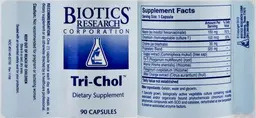
Product Label

📸

Have a supplement label? Find it here.

Upload a photo of any supplement label to search our database of 92,312 products.

Safety Alerts

⚠️ Niacin: 150mg is 4.3× the Tolerable Upper Intake Level (35mg)
ℹ️ Contains proprietary blend — exact ingredient amounts not disclosed

Label Data

1 Capsule(s) Serving Size
Botanical with Nutrients Product Type
75% Evidence Coverage

Supplement Facts — Evidence Check

150 mg (750% DV)
⚠️ Exceeds Tolerable Upper Intake Level by 4.3× (UL: 35 mg) 📚 193 studies (Tier A: 5, B: 63)
RDA 14mg This product: 150mg UL 35mg
100 mcg (83% DV)
✅ 2.9× RDA — within safe limits 📚 197 studies (Tier A: 1, B: 55)
RDA 0.035mg This product: 0.1mg
30 mg
✅ Within RDA (0.1× RDA of 550 mg) 📚 36 studies (Tier A: 1, B: 7)
RDA 550mg This product: 30mg UL 3500mg
Proprietary Blend
320 mg

Other Ingredients

Gelatin Water Glycerin

Label Claims — Verification

All Other
All Other (97% of products) Structure/Function (86% of products) Nutrient (36% of products)

Target Groups

Adult (18 - 50 Years)

Product Information

📋 Directions for Use

RECOMMENDATION: One (1) capsule twice each day with meals as a dietary supplement or as otherwise directed by a healthcare professional.

⚠️ Warnings & Precautions

Caution: Not recommended for pregnant or lactating women.

KEEP OUT OF REACH OF CHILDREN

Sealed with an imprinted safety seal for your protection.

Additional Information

Store in a cool, dry area.

Rev. 11/08

Specially grown, biologically active vegetable culture containing naturally associated and/or organically bound phytochemicals (chromium) including polyphenolic compounds with SOD and catalase, dehydrated at low temperature to preserve associated enzyme factors.

Product Details

DSLD Entry Date 2013-06-25
Product Type Botanical with Nutrients
Form Capsule
DSLD ID 22229
Data Updated 2026-04-11

Research Evidence

241 Research Sources
55 Avg Quality Score
113 Meta Analysis
75 Systematic Review
32 Rct
11 Clinical Trial
3 Other
3 Regulatory Source
1 Cochrane Review
1 Narrative Review
1 Openfda Safety
A Niacin for primary and secondary prevention of cardiovascular events
Meta Analysis The Cochrane database of systematic reviews 2017
A Use of high potency statins and rates of admission for acute kidney injury: multicenter, retrospective observational analysis of administrative databases
Meta Analysis BMJ (Clinical research ed.) 2013
A Effect on cardiovascular risk of high density lipoprotein targeted drug treatments niacin, fibrates, and CETP inhibitors: meta-analysis of randomised controlled trials including 117,411 patients
Meta Analysis BMJ (Clinical research ed.) 2014
A A terminal metabolite of niacin promotes vascular inflammation and contributes to cardiovascular disease risk
Meta Analysis Nature medicine 2024
A Meta-analysis and imputation refines the association of 15q25 with smoking quantity
Meta Analysis Nature genetics 2010
A Genome-wide meta-analyses identify multiple loci associated with smoking behavior
Meta Analysis Nature genetics 2010
A Antidepressants for smoking cessation
Meta Analysis The Cochrane database of systematic reviews 2014
A Topical azelaic acid, salicylic acid, nicotinamide, sulphur, zinc and fruit acid (alpha-hydroxy acid) for acne
Meta Analysis The Cochrane database of systematic reviews 2020
B Assessment of the Role of Niacin in Managing Cardiovascular Disease Outcomes: A Systematic Review and Meta-analysis
Meta Analysis JAMA network open 2019
B Association Between Lowering LDL-C and Cardiovascular Risk Reduction Among Different Therapeutic Interventions: A Systematic Review and Meta-analysis
Meta Analysis JAMA 2016
View all evidence for Niacin →

Compare Similar Products

View all Niacin products →