PhosphaLine
This product looks safe
- No ingredients exceed tolerable upper intake levels
- 33% of ingredients have research evidence
What the Evidence Says
AI-generated · Qwen 3.6 · methodologyPolyenylphosphatidylcholine is a phospholipid used to support cellular membrane integrity and liver function. Research evidence for these specific applications is generally limited. The product maintains a high safety profile with no significant concerns noted.
AI-generated summary based on research evidence. Not medical advice.
Product Label
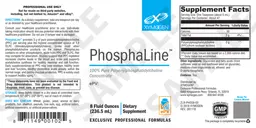
Label Data
Supplement Facts — Evidence Check
Other Ingredients
Label Claims — Verification
Product Information
Directions for Use
Directions: As a dietary supplement, take one teaspoon per day or as directed by your healthcare practitioner.
Warnings & Precautions
Consult your healthcare practitioner prior to use. Do not use if tamper seal is damaged.
Individuals taking medication should discuss potential interactions with their healthcare practitioner.
Storage: Keep tightly closed in a dry place at controlled room temperature 15 degrees -30 degrees C (59 degrees -86 degrees F), out of reach of children.
Contains: Soy.
Formulation Notes
PhosphaLine provides 3 g of pure polyenylphosphatidylcholine (PPC) per serving plus the highest concentrated source of 1,2 DLPC (dilinoleoylphosphatidylcholine).
Unlike most other phosphatidylcholine products on the market, PhospaLine contains no other phospholipids, aside from PPC and DLPC, that may compete for absorption. Studies suggest that PPC ingestion increases choline levels in the blood and brain and supports acetylcholine synthesis for healthy neuronal and cell function. Daily supplementation of PPC may help maintain healthy brain and liver function, healthy cholesterol levels already within the normal range, and gastric mucosal protection. PPC is widely used to support healthy aging.
Does Not Contain: Wheat, gluten, yeast, animal or dairy products, fish, shellfish, peanuts, tree nuts, egg, artificial colors, artificial sweeteners, or artificial preservatives.
100% pure polyenylphosphatidylcholine concentrate
Additional Information
Professional use only
Not for resale on third-party websites, including, but not limited to, Amazon and eBay.
Storage: Keep tightly closed in a dry place at controlled room temperature 15 degrees -30 degrees C (59 degrees -86 degrees F), out of reach of children.
ePV (ePedigree Verification)
Exclusive professional formulas
GMP Compliant Third-party verified
Scan to learn more! This package is completely recyclable
Product Details
Research Evidence
Similar Products
This product page is for informational purposes only and does not constitute medical advice. Always consult your healthcare provider before taking any supplement.