Green Tea Extract 725 mg
This product looks safe
- No ingredients exceed tolerable upper intake levels
- 50% of ingredients have research evidence
What the Evidence Says
AI-generated · Qwen 3.6 · methodologyGreen tea extract is supported by moderate evidence for aiding metabolic rate and antioxidant activity. AstraGin is included to potentially enhance nutrient absorption, though clinical data for this specific combination is limited. The ingredient profile maintains a high safety rating.
AI-generated summary based on research evidence. Not medical advice.
Product Label
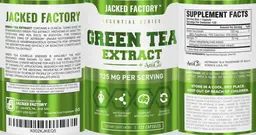
Label Data
Supplement Facts — Evidence Check
Other Ingredients
Label Claims — Verification
Product Information
Directions for Use
Directions: As a dietary supplement, take one capsule with a glass of water 1-2 times per day.
Warnings & Precautions
Keep out of reach of children.
Check with a qualified healthcare professional before taking this product.
Do not use if you are pregnant or nursing a baby, under 18 years of age, have any known or suspected medical conditions, and/or if you are taking any prescription or OTC medications.
Do not use if you are pregnant or nursing a baby, under 18 years of age, have any known or suspected medical conditions, and/or if you are taking any prescription or OTC medications.
Discontinue use and immediately consult your healthcare professional if you experience any adverse reaction to this product. Use only as directed. Do not exceed the recommended serving. Do not use if safety seal is broken or missing.
Formulation Notes
Green Tea Extract contains a clinical 735 mg dose of standardized green tea extract, providing at least 75% Catechins and 45% EGCG. In addition, this formula features 25 mg of Astragin (Panax Notoginseng and Astragalus Membraneaceous extracts) for optimizing the absorption and efficacy of bioactive constituents in green tea extract.
Promote weight loss Antioxidant support Support brain health Enhance recovery
750 mg per serving
Additional Information
Green tea (Camellia Sinensis) is arguably the most renowned herb known to man. It has been used in traditional Chinese medicine for ages due to its multitude of therapeutic applications. Research has made it clear that many of the medicinal properties of green tea are regulated by its robust profile of Catechin constituents, notably Epigallocatechin Gallate (EGCG).
Please recycle container
Store in a cool, dry place.
Product Details
Research Evidence
Similar Products
This product page is for informational purposes only and does not constitute medical advice. Always consult your healthcare provider before taking any supplement.