D Aspartic Acid
This product looks safe
- No ingredients exceed tolerable upper intake levels
- 100% of ingredients have research evidence
What the Evidence Says
AI-generated · Qwen 3.6 · grounded in 1 source · methodologySodium D-aspartic acid is researched for its potential to increase testosterone levels and support muscle growth. However, the available evidence for these effects in healthy humans is limited. Most studies show inconsistent results regarding its impact on athletic performance.
AI-generated summary based on research evidence. Not medical advice.
Product Label
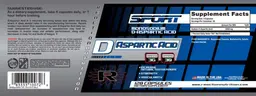
Label Data
Supplement Facts — Evidence Check
Other Ingredients
Label Claims — Verification
Product Information
Directions for Use
SUGGESTED USE: As a dietary supplement, take 4 capsules daily,or 1 hour before training.
Warnings & Precautions
WARNING: Not to be used by women or men under 18 years old.
Use of this supplement could trigger a failed drug test from various sports governing agencies. Although this is a completely all-natural product, elevation of testosterone levels can cause side effects including, but not limited to: acne, hair loss and swelling of breast tissue. Discontinue use and consult a physician if any adverse reactions occur. Do not use if you are being treated for or could develop any medical, psychiatric or emotional condition.
Do not use in conjunction with any prescription drugs.
KEEP OUT OF REACH OF CHILDREN
Formulation Notes
MONOSODIUM D-ASPARTIC ACID D-ASPARTIC ACID 3G SERVINGS 30
Additional Information
~INCREASE NATURAL TESTOSTERONE ~STRENGTH ~VASCULARITY MADE IN THE USA OF DOMESTIC & IMPORTED INGREDIENTS
D-Aspartic Acid is a naturally occurring amino acid within the body, where it plays pivotal roles in the manufacturing hormones. Recent studies have shown that supplementing with D-aspartic Acid daily can raise testosterone. An increase in testosterone may lead to increases in muscle mass and athletic performance, along with decreases in body fat and levels of fatigue.
Store in a cool, dry, dark place.
INSPECTED cGMP FACILITY Good Manufacturing Practice GLUTEN-FREE
LBRNSportDAA-120_20121010 Rev.C
SPORT
R(R)
Product Details
Research Evidence
Similar Products
This product page is for informational purposes only and does not constitute medical advice. Always consult your healthcare provider before taking any supplement.